In This Blog:
- Defining the experience of emotional numbness
- Identifying primary psychological and physiological triggers
- The impact of long-term stress on emotional health
- How structured environments support emotional regulation
- Professional paths for reclaiming a full range of feelings
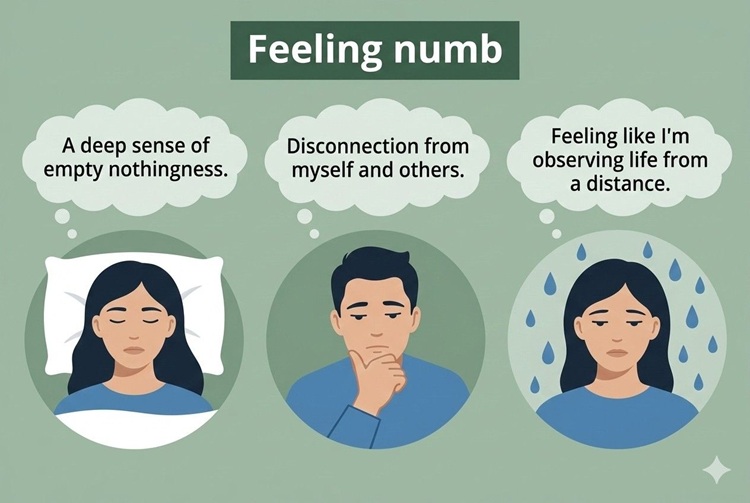
Emotional blunting is a complicated experience that causes a person to feel constantly out of touch or feel incapable of feeling joy and sadness. To a large number, this numbness is not a choice but a defensive mechanism on the part of the brain to cope with overbearing distress or traumatic experiences. The first step in studying how one can identify certain emotional blunting causes is to understand why the mind has become detached from the surroundings of a person. This condition can give life the impression of being observed through a gray veil, of which even major events do not provoke a natural emotional reaction.
This inner silence can only be negotiated in a controlled environment where the triggers behind it can be safely experimented with. In the absence of professional control, people could become even more alienated in relationships with their loved ones and in their daily duties. This guide examines how science can explain the process of emotional detachment and how the integrated services of recovery offer the means of recovering the ability to be in touch with feelings in a healthy and sustainable manner.
Expert Advice: A professional support environment offers essential tools for managing complex mental health conditions.
What is Emotional Blunting?
Emotional blunting is characterized by a reduced intensity of emotional expression and experience. Individuals may find that they no longer laugh at jokes, feel empathy for others, or experience the “peaks” and “valleys” of daily life.
This condition is often a symptom of an underlying health concern rather than a standalone disorder. In a treatment environment, professionals work to identify whether the cause is psychological, biological, or a combination of both.
Common Emotional Blunting Causes
Several factors can contribute to a person feeling emotionally detached from their life. Chronic stress can lead to burnout, where the brain shuts down emotional processing to conserve energy.
Biological factors, such as hormonal imbalances or certain medications, can also play a role in how the brain processes feelings. Understanding these emotional blunting causes allows for a more personalized approach within a supervised support system.
Cause Category | Common Examples |
Psychological | Post-traumatic stress, severe depression, or acute anxiety |
Biological | Neurotransmitter imbalances or side effects from specific medications |
Behavioral | History of substance use as a way to numb pain |
Environmental | Sustained exposure to high-stress or traumatic living conditions |
Transitioning to Supervised Support
In a monitored setting, individuals can begin to untangle the reasons for their numbness. This environment provides the safety needed to re-engage with difficult emotions under constant professional oversight slowly.
FACT: Emotional numbness often serves as a temporary internal defense mechanism.
The Role of Trauma and Stress
When the brain experiences trauma, it may enter a state of dissociation to protect the individual from further psychological pain. This “numbing” effect is often a survival tactic that outlasts the actual threat.
Over time, this disconnection can interfere with a person’s ability to maintain healthy relationships. Recovery services focus on creating a sense of safety so the mind can eventually lower its defenses.
Seeking help from DeLand Treatment Solutions provides essential guidance.
Medication and Emotional Regulation
Certain medications and Emotional regulation, while effective for treating other conditions, may inadvertently lead to a flattened emotional state. This is sometimes referred to as “apathy” or a “blunted” effect on the nervous system.
If a person suspects their medication is a factor, they should discuss these emotional blunting causes with a healthcare provider. A monitored setting ensures that any changes to a medication plan are handled with professional oversight for safety.
Identifying the Signs
- Detachment: Feeling like an observer in your own life rather than a participant.
- Loss of Joy: Activities that were once pleasurable no longer provide satisfaction.
- Social Withdrawal: Moving away from friends because the effort to “act” feels exhausting.
- Physical Numbness: A lack of physical sensation or a general feeling of lethargy.
Substance Use and Emotional Numbing
Many individuals turn to substances as a way to self-medicate and escape emotional pain. While this may provide temporary relief, it often leads to a deeper cycle of dependency and total emotional shutdown.
Professional recovery services address both the substance use and the underlying emotional concerns simultaneously. This integrated approach is vital for restoring a healthy emotional balance.
Restoring Emotional Range
Reconnecting with one’s feelings is a gradual process that involves therapy and lifestyle adjustments. Professionals use evidence-informed tools to help individuals identify and name their emotions as they arise.
Structured support helps individuals practice these new skills in a non-judgmental environment. This collaborative effort builds the foundation for long-term emotional resilience and health.
Components of Emotional Healing
- Counseling: Exploring personal history to find the root of the detachment.
- Mindfulness: Learning to stay present in the body to notice small emotional shifts.
- Routine: Establishing daily habits that promote a sense of order and safety.
- Community: Engaging with others in a treatment environment to reduce isolation.
Integrated Care for Mental Health
Integrated care services focus on treating the whole person rather than just a single symptom. This includes addressing physical health, social connections, and mental well-being together.
Continuity of care ensures that as feelings begin to return, the individual has a safety net in place. With professional oversight, it is possible to move beyond the numbness and experience life fully again.
To explore options for supervised support, contact DeLand Treatment Solutions

Choosing to seek help for emotional numbness is a brave step toward a more fulfilling future. Many find that the support found in a treatment environment allows them to process the past and look forward with hope.
The focus remains on achieving a life of balance and genuine connection. Through professional oversight and a structured plan, the journey of emotional recovery can lead to a renewed sense of self and vitality.
Medical Disclaimer: This blog is for informational purposes only and is not a substitute for professional medical advice.
Key Takeaways
- Emotional blunting is a state of numbness often triggered by stress or trauma.
- Identifying specific causes is the first step toward restoring a healthy range of feelings.
- Substance use can worsen emotional detachment and requires integrated recovery services.
- Structured support environments provide a safe space to re-engage with emotions.
- Long-term stability is achieved through professional oversight and evidence-informed therapy.
FAQs
Can depression cause me to feel totally numb?
Yes, severe depression can lead to a state where an individual feels unable to experience any emotion at all. This is often a sign that the brain is overwhelmed and requires professional oversight to begin healing. Recovery services can help identify if depression is the primary driver of your numbness.
Why do I feel disconnected from my loved ones?
When you are experiencing emotional blunting, the natural “spark” of connection often disappears. This is not because you don’t care, but because your brain’s emotional processing is currently inhibited. A monitored setting can help you explore these feelings without the pressure of daily social expectations.
Is emotional blunting a permanent condition?
No, for most people, emotional numbness is a temporary state that can be addressed with the right support. Through therapy and structured care, the brain can learn to process emotions safely again. Long-term wellness is possible when the underlying causes are identified and treated professionally.
How do I explain this feeling to my doctor?
Be as specific as possible about when the feeling started and if any major life events occurred around that time. Use terms like “numb,” “detached,” or “emotionally flat” to help them understand your experience. Professional oversight ensures that your concerns are taken seriously and integrated into a care plan.
Does stress always lead to emotional numbness?
Not always, but chronic, unmanaged stress is a common factor in why some people shut down emotionally. It is the body’s way of trying to protect itself from becoming completely overwhelmed. Seeking help from a treatment environment early can prevent this protective response from becoming a long-term habit.
References
- https://www.healthline.com/health/mental-health/emotional-blunting
- https://my.clevelandclinic.org/health/diseases/22295-mental-health-disorders
- https://www.nimh.nih.gov/health/topics/substance-use-and-mental-health
- https://www.drugabuse.gov/publications/drugs-brains-behavior-science-addiction/treatment-recovery