In This Blog
- Definition and overview of dual diagnosis
- Common mental health and addiction overlaps
- Causes and risk factors for co-occurring conditions
- Treatment approaches and care planning
- Insurance and cost considerations
- Practical tips, expert advice, and FAQs
Dual diagnosis, also known as co-occurring disorders, is the situation in which a person is simultaneously exposed to a mental condition and a substance use disorder. The combination of these conditions may complicate the symptoms, predispose to relapse, and complicate the treatment.
Combined care that has considered the two conditions simultaneously has proved to be more successful than treating them independently. Knowledge of the signs, treatment methods, insurance, and finance will enable individuals and families to make realistic and knowledgeable choices about care.
What Is Dual Diagnosis?
Dual diagnosis refers to the presence of mental health issues – anxiety, depression, PTSD, or bipolar disorder along with substance use issues. The combination of the conditions frequently worsens the symptoms:
- Anxiety may lead to alcohol use as a coping mechanism.
- Alcohol misuse may intensify depression symptoms.
- PTSD may contribute to opioid or alcohol misuse.
Treating only one condition often leads to incomplete recovery. Integrated programs target both conditions simultaneously, improving coping skills and reducing relapse risk.
Common Mental Health and Addiction Overlaps
Mental Health Condition | Common Co-occurring Substance Use | Impact on Treatment |
Anxiety Disorders | Alcohol, Benzodiazepines | Temporary symptom relief may increase dependency risk |
Depression | Alcohol, Stimulants | Substance use can worsen mood and reduce therapy effectiveness |
PTSD | Opioids, Alcohol | Substance use may mask trauma, complicating treatment |
Bipolar Disorder | Stimulants, Alcohol | Mood fluctuations increase susceptibility to misuse |
Recognizing these overlaps enables providers to design tailored treatment plans and monitor interactions effectively.
Reach out to DeLand Treatment Solutions
Causes and Risk Factors
Multiple factors contribute to the development of dual diagnosis, often interacting in complex ways:
- Genetic predisposition: Family history of mental health conditions or substance use increases risk.
- Trauma exposure: Adverse childhood experiences and PTSD contribute to both conditions.
- Stress and coping difficulties: Chronic stress may lead to self-medication with substances.
- Social and environmental factors: Peer influence, availability of substances, and social isolation increase vulnerability.
Identifying these factors allows for early intervention and preventive strategies.
Treatment Approaches for Dual Diagnosis
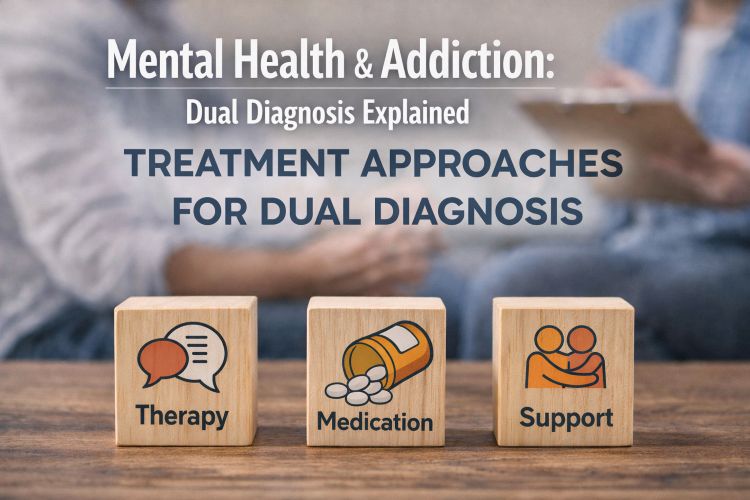
Integrated care programs provide simultaneous support for mental health and substance use disorders. Core components include:
- Assessment: Comprehensive evaluation of mental health, substance use history, and social support.
- Therapy: Individual, group, and cognitive-behavioral therapy to develop coping strategies and manage triggers.
- Medication Management: Supervised medication supports stabilization of mental health symptoms.
- Supportive Services: Peer support, family counseling, and case management enhance holistic care.
- Aftercare Planning: Structured follow-up and relapse prevention strategies reduce long-term risk.
Coordinated care among licensed professionals ensures safety, consistency, and effectiveness.
Insurance and Cost Considerations
Coverage for dual diagnosis treatment depends on the insurance plan, network participation, and benefit design. Important factors include:
- In-network vs. out-of-network: Reimbursement is typically higher for in-network providers.
- Deductibles and copayments: Out-of-pocket responsibilities vary.
- Preauthorization requirements: Residential or intensive programs may require prior approval.
- Coverage limits: Some plans have day limits or session caps.
Early verification of coverage is critical to prevent unexpected expenses and ensure informed financial planning.
Steps to Verify Coverage
- Request a benefits check from the provider using insurance details.
- Confirm whether services are in-network to maximize coverage.
- Review which therapies, program length, and settings are included.
- Clarify out-of-pocket costs, including deductibles and coinsurance.
- Obtain written documentation to support transparent planning.
FACT: Integrated dual diagnosis programs improve recovery success and reduce relapse risk.
Out-of-Pocket Expenses
Even with coverage, some costs may remain.
Expense Type | Description |
Deductibles | Amount owed before insurance coverage applies |
Copayment | Fixed fee per session or service |
Coinsurance | Percentage of costs shared with the plan |
Non-covered Services | Optional therapies or amenities not included in coverage |
Awareness of these costs helps with realistic budgeting and reduces financial uncertainty.
Payment Options Beyond Insurance
When coverage is limited, alternative options can help manage costs:
- Self-Pay Discounts: Upfront payments may reduce total expenses.
- Payment Plans: Spread payments over multiple months to ease financial pressure.
- Third-Party Financing: Financing programs or loans provide structured repayment options.
Reviewing terms ensures sustainable affordability and continuity of care.
Comparing Programs Effectively
Price alone does not determine program quality. Consider:
- Services included such as therapy, support, and aftercare.
- Staff credentials, experience, and specialization in dual diagnosis.
- Program intensity and structure, including residential versus outpatient options.
- Accessibility and available resources for long-term recovery.
Transparent communication with providers ensures informed and practical decisions.
Budgeting Tips for Dual Diagnosis Care
Creating a realistic budget supports participation and recovery:
- Estimate total costs using verified insurance information.
- Include living expenses for residential or extended programs.
- Account for follow-up care and aftercare support.
- Maintain a contingency buffer for unexpected costs.
Proper planning reduces stress and allows focus on recovery.
Expert Advice: Treat mental health and addiction together for the best recovery outcomes.
Contact DeLand Treatment Solutions for guidance today
Dual diagnosis treatment can feel complex, but understanding co-occurring mental health and substance use patterns simplifies decisions. Programs offering integrated therapy, clear cost explanations, and supportive resources allow individuals to focus on recovery. Consulting licensed professionals ensures care aligns with both needs and available resources.
Medical Disclaimer: This article is for informational purposes only and is not a substitute for professional medical advice.
Key Takeaways
- Dual diagnosis involves co-occurring mental health and substance use conditions.
- Integrated care addressing both simultaneously improves recovery outcomes.
- Insurance coverage varies; verification ensures clarity on costs.
- Out-of-pocket expenses may include deductibles, copayments, or optional services.
- Payment options and structured plans enhance affordability and practical planning.
FAQs
1. What exactly is dual diagnosis?
Dual diagnosis occurs when a person experiences both a mental health condition and a substance use disorder. Treating both together improves coping strategies, reduces relapse risk, and ensures more comprehensive, coordinated support for long-term recovery management.
2. Which mental health conditions commonly co-occur with addiction?
Anxiety, depression, PTSD, and bipolar disorder frequently co-occur with alcohol, stimulants, opioids, or prescription drug misuse. Recognizing these combinations enables targeted interventions, symptom monitoring, and more effective integrated treatment approaches.
3. Can insurance cover dual diagnosis treatment?
Coverage depends on the insurance plan, network participation, and benefit design. Some plans cover residential or intensive outpatient programs, while others cover only outpatient therapy. Reviewing deductibles, copayments, and prior authorization requirements ensures clarity of financial responsibilities.
4. What out-of-pocket costs should I expect?
Out-of-pocket expenses may include deductibles, copayments, coinsurance, or optional services. Costs vary by program type, included services, and coverage. Requesting a detailed cost breakdown allows for accurate budgeting and prevents unexpected expenses during treatment.
5. How is dual diagnosis treatment structured?
Treatment combines assessment, therapy, medication management, and supportive services. Programs address mental health and substance use simultaneously. Coordination among clinicians ensures consistent, safe, and effective care, supporting sustainable recovery.
6. Are payment options available beyond insurance?
Many providers offer self-pay discounts, installment payment plans, or third-party financing. Terms vary by provider, including interest rates and repayment duration. Reviewing total repayment ensures financial sustainability while maintaining uninterrupted treatment access.