In This Blog
- What drug addiction treatment centers do
- Inpatient vs. outpatient care explained
- Key services at top rehab centers
- How to choose the right facility
- Cost, insurance, and affordable recovery options
- Post-rehab life and ongoing support
- FAQs about addiction facilities
Introduction
Having selected the appropriate drug addiction treatment facility may seem daunting, but it is one of the most critical choices towards recovery. There are so many choices, inpatient rehabilitation, outpatient therapy, so where do you begin to have lasting healing and support yourself or your loved one?
It is a blog about breaking it down, everything you need to know, in a factual, compassionate manner.
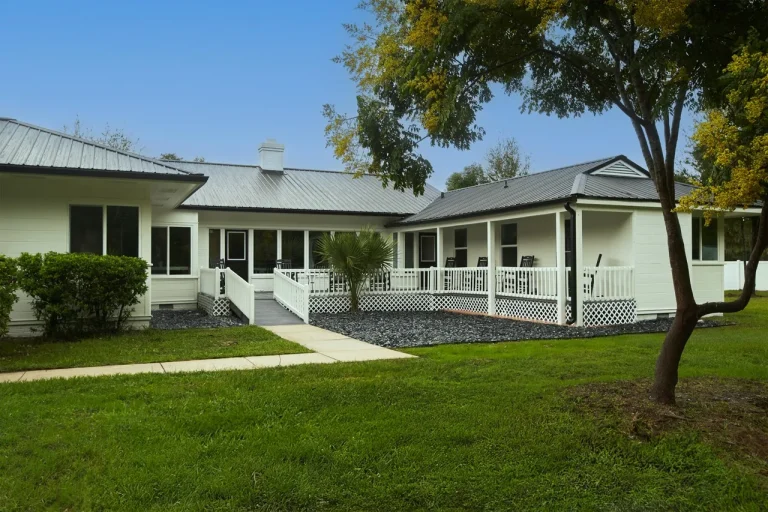
What is a Drug Addiction Treatment Center?
A drug addiction treatment center is a professional institution that assists individuals to overcome substance use disorders with the assistance of structured, evidence-based care. Such centers treat physical addiction as well as psychological events that contribute to addiction.
The National Institute on Drug Abuse (NIDA) indicates that approximately 21 million American citizens are faced with an addiction of at least one type, but only 10 out of 21 million get treatment. It translates to 9 in 10 individuals failing to receive their help.
The gap is addressed by treatment centers, which provide medically supervised detox, counseling, and relapse-prevention services.
FACT – People who complete professional addiction treatment are 3x more likely to stay sober long-term.
Types of Drug Addiction Facilities: Inpatient vs. Outpatient Care
Inpatient Drug Rehab Facilities
Inpatient rehabilitation (sometimes referred to as residential treatment) entails residing in the center 24 hours a day. Such a setting offers round-the-clock medical care, routine schedules, and isolation of daily triggers.
Best for:
- Critical addictions or resurgence.
- Mental comorbidities.
- Individuals require an irritant-free environment.
Typical Duration: 30–90 days, though some stay longer depending on progress.
Pros:
- Nurse care and emotional support at all times.
- Intensive therapy programs
- Decreased relapses trigger exposure.
Cons:
- Increased price because of residential accommodation.
- Time away from work or family
Outpatient Addiction Treatment Programs
Outpatient rehab enables the person to stay at home and attend therapy meetings a few times a week.
Best for:
- Mild to moderate addictions
- Patients who shift out of inpatient care.
- Individuals with work/family commitments.
Pros:
- Flexibility for daily life
- Lower cost
- Social and family support is continued.
Cons:
- Greater availability of old triggers.
- Less intensive supervision
Comparison Table: Inpatient vs. Outpatient Rehab
Criteria | Inpatient Rehab | Outpatient Rehab |
Living Arrangement | Full-time at the facility | Stay at home |
Duration | 30–90 days | Weeks to months |
Cost | Higher | Lower |
Supervision | 24/7 | Limited hours |
Best For | Severe addiction | Mild/moderate cases |
Deland Treatment Solutions
Battling with Drug and Alcohol Addition? Remember, you are not alone and we are here to help you!
Key Services Offered at Top-Rated Rehab Centers
Drug rehab centers should be best integrated in a combination of medical, psychological, and social approaches. The following are some of the most important services offered by most facilities:
1. Medical Detox
This is aided by the use of supervised withdrawal to clear drugs from the body.
- Supervised by medical personnel.
- May contain medication-assisted treatment (MAT).
In a study conducted by SAMHSA in 2023, detox was found to decrease the risk of relapse by almost half when combined with therapy.
2. Individual and Group Therapy
Cognitive Behavior Therapy (CBT) and Dialectical Behavior Therapy (DBT) assist in the process of pinpointing the triggers and developing coping mechanisms.
Group sessions help to build a spirit of connection and responsibility.
3. Family Counseling
Addiction affects everyone. The family therapy restores confidence and promotes better communication.
4. Dual Diagnosis Treatment
Most of the people are fighting addiction and psychological problems (depression, anxiety, PTSD).
Treatment centers dealing with dual diagnosis treat the two conditions simultaneously-enhancing the long-term outcomes.
5. Aftercare Planning
Further recovery in relapse prevention planning, sober living advice, and continuous therapy is provided after rehabilitation.
CTA – Need help starting recovery? Call (DTS) Deland Treatment Solutions at (386) 866-8689.
How to Choose the Best Drug Rehab Center for Your Needs
Locating the appropriate rehab is not just a matter of determining which one costs the most, but it is all about selecting the one that is appropriate in your case.
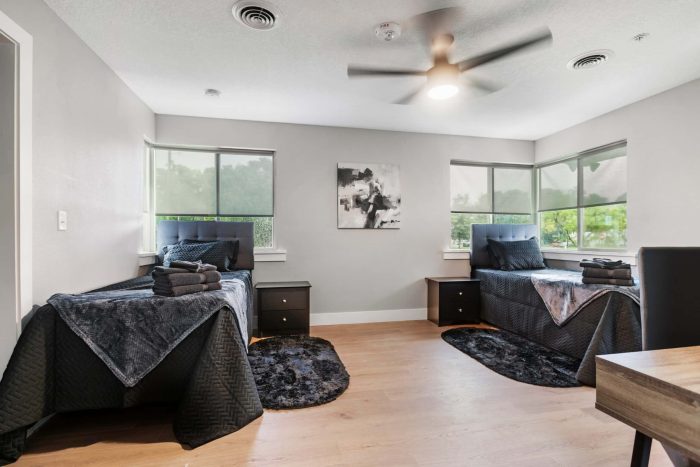
Step-by-Step Guide
Step 1: Assess Your Needs
Take into account the level of addiction, the existence of other mental illnesses, and individual obligations.
Step 2: Check the Level of Care
Find out whether you want inpatient, outpatient, or partial hospitalization to suit you.
Step 3: Evaluate Treatment Approaches
Find evidence-based approaches to addiction treatment, such as CBT, MAT, and holistic treatment.
Step 4: Ask About Accreditation
Quality and safety are evidenced in reputable centers that are accredited by the CARF or The Joint Commission.
Step 5: Compare Facilities
Tour or make phone calls to various substance abuse recovery facilities to learn about their program, staff, and outcomes.
Step 6: Review Aftercare Plans
Long-term recovery depends on continued support, ensure the center offers follow-ups and relapse prevention.
What to Look for: Accreditation, Staff Qualifications & Treatment Approaches
In taking studies on the treatment of addiction in my area, bear in mind that the following are the basics:
Accreditation & Licensing
Certified facilities embrace medical and moral standards. Ensure credentials are checked before admission.
Qualified Staff
A reputable center employs:
- Licensed medical doctors
- Licensed addiction counselors.
- Psychologists and psychiatrists.
- Food and exercise professionals.
Evidence-Based Care
Such strategies as CBT, Motivational Interviewing, MAand T are decades-old success stories.
The National Institute on Drug Abuse specifically stresses the fact that therapy and medication are the most effective combination in recovery.
EXPERT’S ADVICE – Integrated care, addressing mind, body, and environment—is key to sustained recovery.” NIDA
Cost, Insurance & Affordable Options for Addiction Treatment
Cost is often a concern, but recovery doesn’t have to be out of reach.
Average Costs
Type of Care | Average Monthly Cost (USD) |
Inpatient Rehab | $6,000–$20,000 |
Outpatient Rehab | $2,000–$5,000 |
Detox Only | $1,000–$3,000 |
Costs vary based on location, program length, and amenities.
Insurance Coverage
Mental health parity laws have led to most of the big insurance companies covering addiction treatment.
Tip: Check with your insurance company to find out what is included (detox, inpatient, outpatient, therapy sessions).
Affordable Drug Addiction Help
If cost is a barrier, consider:
- State-funded rehab programs
- Payment varies with frequency.
- Nonprofit recovery centers
- Scholarships and grants
CTA – Need affordable rehab options? Call Deland Treatment Solutions (DTS) at (386) 866-8689.
The Road to Recovery: What Happens After Leaving a Treatment Facility?
The process of recovery does not conclude with the discharge but is a lifetime commitment.
1. Aftercare Support
Continuous treatment, relapse prevention groups, and check-ins of accountability are used to maintain sobriety.
2. Sober Living Homes
Early recovery has structure and community in transitional housing.
3. Support Groups
Such programs as Narcotics Anonymous (NA) or the SMART Recovery encourage peer support.
4. Relapse Prevention
The triggers may recur at any time. A relapse prevention plan is a written plan that contains warning signs and coping strategies.
5. Lifestyle Rebuilding
Emotional stability is supported by exercise, mindfulness, and even healthy nutrition.
Myth-Buster Box
Common Myth | The Truth |
“Addiction is a moral failure.” | Addiction is a chronic medical condition, not a choice. |
“Detox alone cures addiction.” | Detox is just the first step, therapy ensures lasting change. |
“Relapse means failure.” | Relapse can be part of recovery; it signals the need for adjustment. |
Drug Addiction Treatment at DeLand Treatment Solutions
Finding the right drug addiction treatment center starts with understanding your needs, whether you require detox, inpatient care, outpatient support, or a mix of therapies. Look for a facility that offers personalized treatment plans, licensed professionals, and strong aftercare to support long-term recovery. DeLand Treatment Solutions provides comprehensive, individualized care to help you rebuild your life. For guidance, call (386) 866-8689.

Key Takeaways
- Drug addicts are treated in drug addiction care centers through structured care to get rid of substance use disorders.
- There are inpatient and outpatient rehabs that serve different purposes; select them depending on the severity of addiction and personal commitment.
- Find qualified therapies and professionals at accredited facilities.
- The price range is different, though the care is available through insurance and financial support.
- Aftercare, community, and lifestyle changes are vital towards recovery in the long term.
Medical Disclaimer: This article is for informational purposes only and is not a substitute for professional medical advice.
FAQ’s
1. How long does drug rehab typically last?
The rehab period for drugs is based on the severity of addiction and the type of treatment. Inpatient programs take a period of 30 to 90 days, whereas outpatient programs can take months. Individualized aftercare and continuous therapy can be long-lasting; the treatment is designed to ensure long-term recovery and relapse prevention.
2. Does insurance cover addiction treatment?
Yes. Federal statutes on mental health parity cover addiction treatment with the majority of large insurance companies. It typically covers detoxification, inpatient, and outpatient services. Be sure to confirm that your plan has a limit and a benefit when it comes to your benefits and the limitations with your provider, so you know that your plan under reimbursement or copay benefits will cover your chosen facility and type of treatment.
3. What’s the difference between detox and rehab?
Detox aims at taking care of physical withdrawal symptoms but under the care of a doctor to stabilize the body. Rehab, in its turn, addresses the psychological and behavioral roots of addiction by means of therapy, education, and counseling. The two stages collaborate to assist people in attaining and maintaining a long-term security of recovery in a safe and effective way.
4.How much does drug rehab cost in Florida?
In Florida, drug rehab facilities have different prices depending on their type and the length of the program. The inpatient treatment costs between $6,000 and 20,000 per month, whereas the outpatient programs range between 2000 and 5000 dollars per month. Numerous facilities accept insurance, have payment plans, or offer financial assistance to make good addiction treatment more affordable to people who want to recover.
5. What facilities are available to help drug addicts?
Medical detox centers, inpatient and outpatient rehabs, dual diagnosis, and sober living homes can be considered as some of the drug addiction treatment options. They can be different in their service provision in relation to addiction severity and individual need. These centers offer evidence-based and structured assistance to encourage safe detox and long-term recovery.
6. What happens if someone relapses after rehab?
The relapse is not the failure; it is a call for more support. Most rehab facilities provide relapse prevention interventions, counseling, and group therapy to assist the individual in recognizing triggers as well as reworking coping mechanisms and restoring normalcy. Long-term sobriety is still a possibility when the person has undergone relapse with the help of professionals and further care.