Such relationships are disorienting. A day, one day, you are together and relaxed. The third, you are caught in another argument, which you promised never to do again. It is due to this specific reason that Emotionally Focused Therapy (EFT) exists in order to make individuals realize why emotional disconnection occurs and how to mend it.
In DeLand Treatment Solutions, Emotionally Focused Therapy is adopted to assist individuals, couples, and families to reestablish emotional safety or deepen their connections, as well as exit painful habitual relationship patterns.
The guide outlines the process, effectiveness and beneficiaries of Emotionally Focused Therapy through use of credible research and comprehensible language.
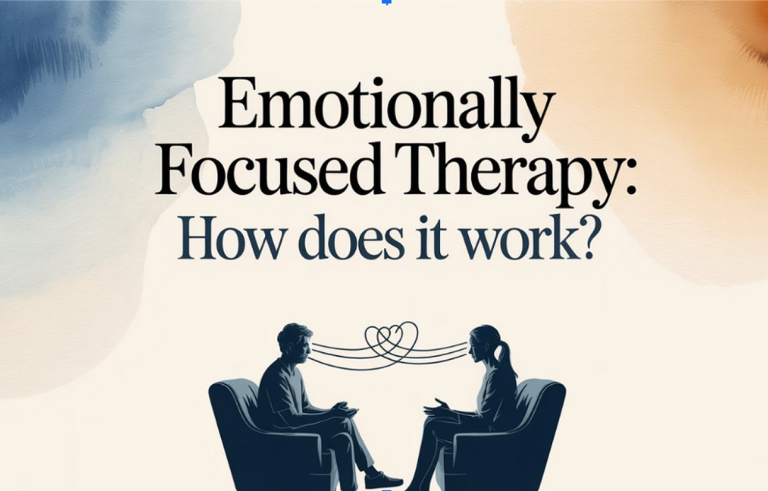
What is Emotionally Focused Therapy?
Emotionally Focused Therapy is an evidence-based type of psychotherapy that is founded on the attachment theory. According to external sources, EFT is focused on finding out the patterns of the emotion that causes suffering and converting it to healthier and less harmful relations.
EFT is deeper as opposed to teaching superficial communicative skills. It looks into basic emotional needs which are safety, proximity and trust. Where such demands are not realized, conflict may ensue.
EFT helps people understand:
- Why they react the way they do
- What are the motivations of conflict or withdrawal.
- The way how to establish safe emotional attachments.
- And, this is with adults, teenagers, couples, and families.
The Science Behind Emotionally Focused Therapy
EFT did not come into thin air. This approach was developed by Dr. Sue Johnson, a researcher and clinical psychologist who was based on her research of decades on attachment.
Attachment theory is the theory of emotional connection that is sought after by human being, particularly under stressful situations. Individuals are better when they are emotionally safe. Once they become disidentified, they will complain- in most cases, by getting angry, avoiding, or closing down.
Studies that are summed up by Psychology Today have revealed that EFT:
- Enhances emotional control.
- Less relationship distress.
- Deterministically enhances, secure attachment.
- Reaches up long-term effects.
Simply put, EFT is effective as it is consistent with the human brain approach to emotion and bonds.
How Emotionally Focused Therapy Works
EFT is a goal-oriented approach that is systematic. Whereas sessions are natural, conversational and the work is guided by the therapists.
Step 1: Identifying Negative Emotional Cycles
There are patterns with every relationship. Some help. Others hurt.
- EFT assists clients to be aware of recurring cycles such as:
- One of them critiques and the other retreats.
- One of the partners in the relationship seeks reassurance and the other closes down.
- Connection substituted with emotional distance.
These trends are not indicators of poor performance. They are indicators of threatened emotional needs.
Step 2: Accessing Core Emotions
Surface feelings such as anger are usually disguises to underlying feelings such fear, sadness or longing.
The therapists during EFT assist the clients to explore things safely:
- Fear of abandonment
- Fear of rejection
- Shame or emotional pain
- Desire for closeness
This is an important step since the real change is achieved when people feel respected and not criticized.
Step 3: Restructuring Emotional Responses
As soon as the clients get to learn their emotional triggers, EFT makes them react to them in a different way.
People can learn to react not automatically but:
- Be explicit in statement of vulnerability.
- Request emotional support.
- Go empathetic rather than defensive.
Such a change generates fresh emotional experiences, and such experiences restore trust.
Step 4: Strengthening Secure Attachment
Positioning of focus to healthy practices is the final phase.
Clients practice:
- Emotional openness
- Consistent responsiveness
- Mutual emotional safety
These acts are habits and are not imposed with time.
Who Can Benefit from Emotionally Focused Therapy?
Emotionally Focused Therapy is not only beneficial to couples.
The indications of EFT used at DeLand Treatment Solutions include:
- Couples who struggle with strife, adultery, or with angst.
- Those with problems of anxiety, depression or pattern of relationship.
- Families that are going through trauma, stress, or communication failures.
EFT is particularly effective when an individual is emotionally stagnant yet his or her intent is to have some meaningful transformation.
Why Emotionally Focused Therapy is Different
Other forms of therapy are based on thoughts. Others focus on behaviors. EFT is a method that is concentrated on emotion, since emotion is the driving force of thought as well as action.
Here’s what sets EFT apart:
- It is not trend driven but supported by research.
- It treats causes and not symptoms.
- It has a respectful attitude to emotional pain not referring to it as weakness.
- It brings about lasting post-therapy change.
EFT can be viewed as rewiring your emotions less like a mercury filling in a thermometer, more like an engaged conversation between a father and a girl.
Deland Treatment Solutions
Battling with Drug and Alcohol Addition? Remember, you are not alone and we are here to help you!
Is Emotionally Focused Therapy Evidence-Based?
Yes. The literature review and Psychology Today point to the fact that EFT comes highly recommended, especially when it comes to couples.
Studies among the couples show that 70- 75 percent of couples exit distress and improvement phases that do not diminish as time passes.
That’s not therapy hype. That’s data.
What to Expect in an EFT Session
The EFT sessions are human and structural.
You can expect:
- Open conversation
- Exploration of the feelings at your own time.
- A non-judgmental environment.
- Clear therapeutic goals
Therapists do not take sides. They emphasized the emotional system and not on who is right.
Emotionally Focused Therapy at DeLand Treatment Solutions
At DeLand Treatment Solutions, the EFT has been provided by professional counselors who have knowledge of amateur science as well as practical issues in life.
The goal is simple:
Allow the clients to feel safer, more connected, and emotionally empathetic to themselves, as well as to other persons.
It can be the pressures of a relationship, the chances of emotional hyperactivity or the former systems but whatever the case, EFT can offer an amazing soft pathway to come out of the rut.

Final Thoughts
There is no guarantee of perfection in Emotionally Focused Therapy. It offers another thing: awareness, connectedness, and emotional security.
Everything becomes better when individuals are emotionally stable. It is precisely what is created by EFT.
In case you are willing to go beyond the superficial fixes and develop a deeper emotional well-being, DeLand Treatment Solutions proposes professional, evidence-based care based on trust and care.
Frequently Asked Questions (FAQs)
What is Emotionally Focused Therapy used for?
Emotionally Focused Therapy treats relationship distress, anxiety, depression, trauma, and attachment-related challenges by improving emotional connection.
How long does Emotionally Focused Therapy take?
EFT is often short- to medium-term. Many clients notice meaningful changes within 8–20 sessions, depending on goals and complexity.
Is Emotionally Focused Therapy only for couples?
No. EFT works for individuals, families, and adolescents, not just couples.
Does Emotionally Focused Therapy really work?
Yes. Research highlighted by Psychology Today shows strong success rates, especially for relationship repair and emotional regulation.
How is EFT different from traditional talk therapy?
EFT focuses less on analysis and more on emotional experience, attachment needs, and real-time emotional change.