In This Blog
- What a psychiatric evaluation is
- When one may be needed
- How the evaluation process works
- Where to get an evaluation
- What happens after the assessment
Once the emotional distress or substance use or behavioral changes start to manifest themselves in daily life, a psychiatric assessment may help bring a sense of clarity. It is only because many people do not know where to begin or how the process would be that they end up delaying their ability to seek help.
This guide describes the process of obtaining a psychiatric assessment, its contents, and the role of the evaluation in the recovery and behavioral health planning.
What is a Psychiatric Evaluation?
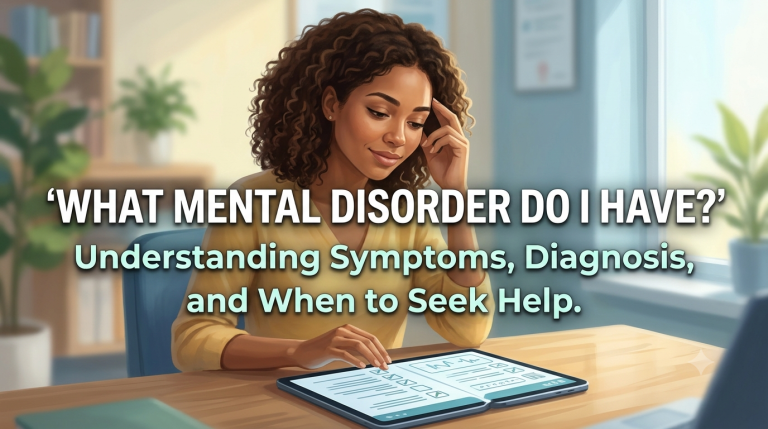
Psychiatric evaluation is a formal assessment applied to comprehend emotional, behavioral and psychological functioning. It assists professionals in detecting trends that influence mental wellness, the consumption of substances, and daily life.
The National Institute of Mental Health (NIMH) argues that psychiatric assessments inform the right treatment and treatment planning.
When Should Someone Consider a Psychiatric Evaluation?
When the symptoms, be it emotional or behavioral, continue or deteriorate with the passage of time, a psychiatric evaluation might be useful.
Typical Reasons to Request an Evaluation.
- Constant anxiety or mood swings.
- Drug abuse and duty.
- Inability to focus or control emotions.
- Loss of sleep or appetite.
- Greater emotional or psychological discomfort.
Premature analysis tends to have a better result.
Fact: Nearly 1 in 5 adults experience mental health challenges annually.
Source: National Institute of Mental Health (NIMH)
How Does a Psychiatric Evaluation Work?
Psychiatric evaluations follow a structured yet conversational process. They are designed to gather relevant information while maintaining emotional safety.
Typical Components
- Personal and medical history
- Substance use patterns
- Emotional and behavioral symptoms
- Stressors and life circumstances
- Current coping strategies
According to NIH, comprehensive assessments improve treatment matching.
Psychiatric Evaluation Components
Component | Purpose |
Clinical interview | Understand concerns |
History review | Identify patterns |
Symptom screening | Clarify severity |
Functional assessment | Assess daily impact |
Care recommendations | Guide next steps |
Who Can Provide a Psychiatric Evaluation?
Psychiatric evaluations are conducted by qualified behavioral-health professionals.
Common Providers
- Psychiatrists
- Clinical psychologists
- Licensed mental health professionals
- Integrated behavioral-health teams
The American Psychiatric Association (APA) emphasizes provider credentials and ethical standards.
Where Can I Get a Psychiatric Evaluation?
In other behavioral health and recovery-centered environments, psychiatric assessments are offered.
Common Access Points:
- Behavioral health intervention plans.
- Recovery and rehab centers
- Mental health services (outpatient).
- Integrated care programs
Environments that stress recovery usually address substance use and emotional status simultaneously.
What Happens During the First Evaluation Session?
The first session focuses on understanding your experiences rather than making immediate conclusions.
What to Expect
- Open-ended discussion
- Nonjudgmental environment
- Questions about emotional well-being
- Review of goals and concerns
According to SAMHSA, collaborative assessments improve engagement.
How Long Does a Psychiatric Evaluation Take?
Most psychiatric evaluations last between 60 and 90 minutes, depending on complexity.
Some individuals may require follow-up sessions to gather additional context. The World Health Organization (WHO) notes that thorough assessments lead to more effective care planning.
What Happens After a Psychiatric Evaluation?
After the evaluation, recommendations are discussed.
Possible Next Steps
- Therapy referrals
- Recovery or rehab program recommendations
- Medication consultation, if appropriate
- Lifestyle or coping strategies
- Ongoing monitoring
Evaluations guide not force decisions.
Evaluation Outcomes and Purpose
Outcome | Purpose |
Therapy referral | Emotional support |
Recovery planning | Substance use support |
Further assessment | Clarify concerns |
Skill-building | Improve coping |
Follow-up | Track progress |
Is a Psychiatric Evaluation Confidential?
Yes. Psychiatric evaluations are confidential and follow ethical and legal standards.
According to HIPAA and APA guidelines, information is shared only with consent, except in safety-related situations.
Are there Limitations to Psychiatric Evaluations?
Psychiatric evaluations are valuable but not definitive.
Important Limitations
- They are not instant solutions
- Symptoms may evolve over time
- Follow-up is often necessary
- Engagement impacts usefulness
Understanding limitations helps set realistic expectations.
Expert’s Advice: “Comprehensive evaluations guide safer, more effective behavioral health care.” — APA
How Does a Psychiatric Evaluation Support Recovery?
In recovery-focused settings, evaluations help align emotional health with substance use support.
Benefits include:
- Identifying emotional triggers
- Supporting relapse prevention
- Improving therapy matching
- Strengthening recovery planning
SAMHSA highlights assessment as a recovery cornerstone.
When Should You Seek Immediate Help Instead?
A psychiatric evaluation is not emergency care.
Seek immediate support if there are:
- Thoughts of self-harm
- Severe confusion
- Loss of reality testing
- Medical emergencies
Emergency services prioritize safety first.

Understanding emotional health and substance use patterns starts with the right assessment. DeLand Treatment Solutions offers recovery-focused behavioral-health services that include psychiatric evaluations designed to guide individuals toward appropriate care, emotional stability, and long-term recovery planning in a supportive, ethical environment.
Medical Disclaimer: This article is for informational purposes only and is not a substitute for professional medical advice.
Key Takeaways
- Psychiatric evaluations help clarify emotional and behavioral concerns.
- They support mental health and substance use recovery planning.
- Evaluations are confidential and collaborative.
- Follow-up care often improves outcomes.
Seek professional help if symptoms persist beyond 4–6 weeks.
FAQs
1. How can I get a psychiatric evaluation?
You can get a psychiatric evaluation by contacting a licensed behavioral health provider, recovery program, or integrated treatment center. The process usually begins with an intake assessment, followed by a structured clinical interview to understand emotional concerns, behavioral patterns, substance use history, and overall functioning.
2. Do I need a referral for a psychiatric evaluation?
A referral is not always required. Many behavioral health and recovery programs allow individuals to schedule psychiatric evaluations directly. However, certain insurance plans or specialized services may request a referral from a primary care provider or another licensed mental health professional.
3. What should I prepare before a psychiatric evaluation?
Before an evaluation, it helps to document symptoms, stressors, substance use history, current medications, and previous mental health support. Writing down questions or concerns can improve clarity, support a thorough assessment, and help clinicians develop recommendations aligned with your emotional, behavioral, and recovery needs.
4. Is a psychiatric evaluation the same as therapy?
No. A psychiatric evaluation is an assessment process rather than ongoing therapy. It focuses on understanding symptoms, functioning, and care needs. Therapy involves regular sessions centered on emotional processing, skill-building, behavior change, and long-term recovery or mental health support.
5. Can a psychiatric evaluation help with substance use recovery?
Yes. Psychiatric evaluations help identify emotional triggers, co-occurring conditions, and behavioral patterns that affect substance use. This information supports personalized recovery planning, therapy selection, and relapse prevention strategies within recovery-focused treatment settings.
6. How often should psychiatric evaluations be updated?
Psychiatric evaluations may be updated when symptoms change, recovery goals evolve, or new stressors emerge. Periodic reassessment helps ensure care remains responsive, appropriate, and aligned with current emotional, behavioral, and recovery needs, especially during transitions in treatment or levels of support.