Among the initial and the most frequent questions that come out when thinking about residential mental health care, either for oneself or to a loved one, is How long does treatment last?” The most valid and clinically correct response is that no specific and single timeline fits each. Mental health therapy conducted in residential settings is highly elastic, based on the belief that it must coincide with the people where they are and assist in real, lasting progress, rather than partial or temporary remedies.
In DeLand Treatment Solutions, residential care is considered to be a well-structured but very humane process. The length of stay is based on requirements, individual targeted interests, and the level at which a person responds to the treatment. The treatment course is defined by the nature and progress instead of random deadlines. Here, we discuss what residential mental health treatment entails, usual stays, and how families should make informed and effective choices.
How Long Is Residential Treatment for Mental Health?
The usual length of residential-based programs is 30, 60, or 90 days, although some programs also can enjoy the benefit of spending fewer days in residential-based programs, and other programs can take several months. This is not about getting oneself out of a treatment center within the shortest time, but emotional stability, correct coping skills and daily routine that will lengthen the life of an individual and maintain a healthy mind as long as possible.
Residential treatment is the best treatment as long as the needs of an individual are complicated. More complex care that is long-term can generally be applied to patients with acute symptoms and those with long-term mental health problems or multiple diagnoses.
What is Residential Mental Health Treatment?
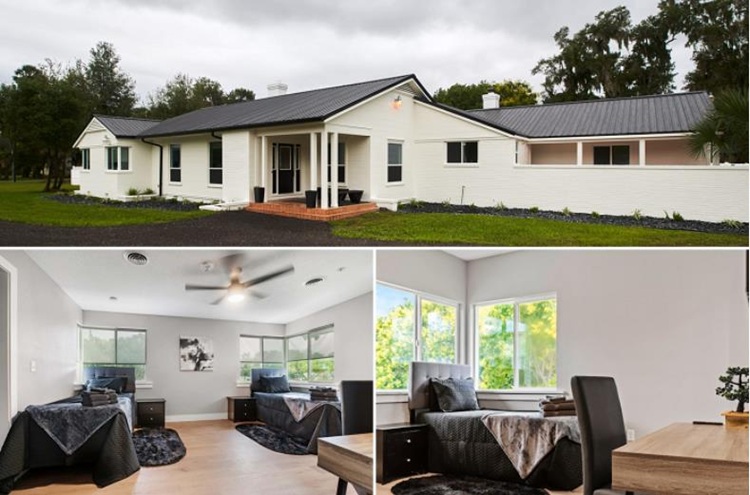
Residential mental health care is a form of care that is in the form of live in with therapeutic support framework. Group and individual therapy, group development, and skills training in clients occurred on a daily basis and at the residence.
Residential care eliminates a majority of the stresses that people experience in their day-to-day lives as compared to outpatient treatment, where people experience handicaps to manage different stresses and focus on the healing process. The experiential practice is useful to stabilize the symptoms and offer meaningful and viable transformations.
100% Confidential Support is Available 24/7
No matter what you’re going through, you’re not alone. Our dedicated team is here to provide a safe, judgment-free space where you can talk openly and honestly. Whether you need emotional support, resources, or just someone to listen.
We’re here for you—completely confidential and always respectful of your privacy. Call us today!
Key Features of Residential Programs
A residential mental health treatment is generally associated with the following key elements:
- 24-hour care supervision
- One-on-one and group counseling.
- Medical management, which is clinically determined.
- Structured daily routines
- Growth of life skills/coping strategies.
All this works together to make the environment predictable and safe to enable it moderate the emotions, self-realization, and personal development.
How Long Do Residential Mental Health Programs Last?
Most residency programs may be found in the following broad categories:
- Short-term: 26 months – 4 weeks of the initial stabilization.
- Criterion: 30-60 days of structural work of therapy.
- Long-term: 90 days or more in the event of a complicated or chronic condition.
Instead of various previously determined considerations, the duration of the treatment is considered at certain periods and adjusted to the progress.
What Factors Influence the Length of Stay?
Quite several clinical and personal factors could be employed in the determination of the length of residence treatment and they are:
- The scope and the length of the symptoms.
- Co-occurring mental health/ Drug abuse disorders.
- Therapy response and medication response.
- Both relapse risk and protection risk.
- Post-discharge services.
Constant assessment by treatment teams is being carried out so as to ensure that the length of stay is adequate.
Types of Residential Programs
The residential programs are not all similar. Options may include:
- Short-term stabilization programs.
- Long-term therapeutic communities.
- Dual diagnosis residential treatment.
- Programs in trauma, mood and anxiety.
Types are supposed to match specific requirements and this is why the duration of the treatment that is recommended is dependent on it.
Benefits of Longer Residential Stays
The extended hospitalization provides an additional chance to train certain coping techniques, research the source of suffering and become emotionally robust. Clients tend to comprehend further, receive more lasting changes in behaviors, as well as develop greater insights into their ability to deal with normal life.
Long-term care will also help in the reduction of risks of relapse since recovery process will be non-alarming and not hurried.
Is Residential Treatment Always the Best Option?
Not all of them need residential treatment. Some are outpatient or intensive programmers. Residential choice is usually recommended whenever the symptoms go to the extent of affecting normal functioning, emotional or personal safety.
DeLand Treatment Solutions helps to determine the most appropriate alternative between residential treatment and a lesser degree of treatment.
What Happens After Residential Treatment?
After undergoing the residential treatment, most of the people are handed over to outpatient therapies, medication or community support. The discharge planning is a highly crucial part of the treatment procedure and often extends to the relapse prevention plans and continuity care treatments.
Through this continuity of service, the continuity of improvement is enhanced and the risk of being derailed is reduced.
How Can Families Choose the Right Program Length?
The families are advised to lay less importance on the schedules but instead on the quality of the treatment and versatility. Residential care transformation is achieved when the programs alter the duration of the programs based on the clinical improvement rather than being coerced.
The open communication with the experts, the regular review of the progress, and the realistic expectations are important factors to consider in the long-term support of recovery.
How Long Should Residential Mental Health Treatment Last?
There is no most suitable number of days. It will take a lengthy time before stabilizing her symptoms, acquiring positive coping strategies and self-actualizing by living independently.
The speed of the treatment can lead to the possibility of establishing a relapse, whereas the individualized timeline can contribute to improved quality and long-term outcomes.
Does Insurance Cover Residential Mental Health Treatment in DeLand, Florida?
Numerous insurance policies will be offered, giving partial or full residential mental care depending on medical need and policy coverage. This may vary in regard to the insurance of individuals who seek care in and around DeLand, Florida.
The timely check of the benefits helps the family to be ready to meet their needs and avoid unnecessary costs.

Take the Next Step Toward Healing
You do not have to go through without it or without local help in case of any need on your part or on the part of any of your loved ones who happen to be persecuted. The DeLand Treatment Solutions is loving and caring in its divided residential treatment with optional stay and personalized treatment planning.
Contact us now and speak to an admissions officer and talk over with them what level of treatment would be suitable for you. On-time help would be a lifesaver.
Disclaimer
This content is for informational purposes only and is not a substitute for professional medical, psychiatric, or psychological advice. Treatment needs vary by individual. Always consult a qualified mental health professional for diagnosis and personalized treatment recommendations.
Frequently Asked Questions
How long do people stay in residential treatment?
Most people stay between 30 and 90 days. The exact length depends on symptom severity, progress in therapy, and safety considerations. Treatment teams regularly reassess to ensure the stay is clinically appropriate and not longer than necessary.
How long do you stay in a group home for mental health?
Group home stays can range from several months to a year or more. These settings focus on long-term stability, daily living skills, and gradual independence rather than intensive short-term therapy.
How long is a typical stay in a mental health facility?
A typical inpatient or residential stay lasts 2 to 8 weeks. Shorter stays focus on stabilization, while longer programs allow time for deeper therapeutic work and skill development.
What is mental health treatment in a residential setting?
Residential mental health treatment provides 24/7 care in a live-in facility. It combines therapy, medication management, and structured daily routines in a supportive environment designed for stabilization and recovery.
How long can you stay in a crisis house?
Crisis house stays are usually brief, lasting from a few days up to two weeks. They focus on immediate stabilization and safety before transitioning individuals to outpatient or residential care.
What does it mean when someone goes to residential?
Going to residential means entering a live-in mental health program for structured, round-the-clock care. It allows individuals to step away from daily stressors and focus fully on healing and skill-building.