The question How to Help Someone Detox from Alcohol is the one that most families and friends pose after the drinking behavior of a loved one starts to compromise his or her health, relations, or even safety. Without adequate care, alcohol detox is unpleasant and even dangerous. This read is a guide to the idea of detox, what to expect and ways in which you can support a person in detox in a safe, compassionate way, as well as understanding the situations when expert help is required.
Detox is not the journey itself; it is only the first step to getting well. Knowledge of alcohol withdrawal, the risks associated, and possible ways of treatment enables you to assist a person to make that initial step and do it with care and confidence.
How to Help Someone Detox from Alcohol
Maintenance of someone to detox begins with security and sympathy. Today, do not advise them to quit without medical consultation, particularly in the case of heavy drinkers or those who consume alcohol daily. Volunteer to assist them with finding a medical detoxification program, getting to a healthcare provider, or communicating with them. Be there, listen, and be nonjudgmental, and emphasize professional assistance as opposed to home remedies.
100% Confidential Support is Available 24/7
No matter what you’re going through, you’re not alone. Our dedicated team is here to provide a safe, judgment-free space where you can talk openly and honestly. Whether you need emotional support, resources, or just someone to listen.
We’re here for you—completely confidential and always respectful of your privacy. Call us today!
What is Alcohol Withdrawal?
When an individual who has been drinking a lot or continuously suddenly cuts or ceases the consumption of alcohol, the reaction of the body is alcohol withdrawal. Alcohol eventually alters brain chemistry. Removal results in overworking of the nervous system, which results in mild and severe physical and psychological symptoms.
What are the Symptoms of Alcohol Withdrawal?
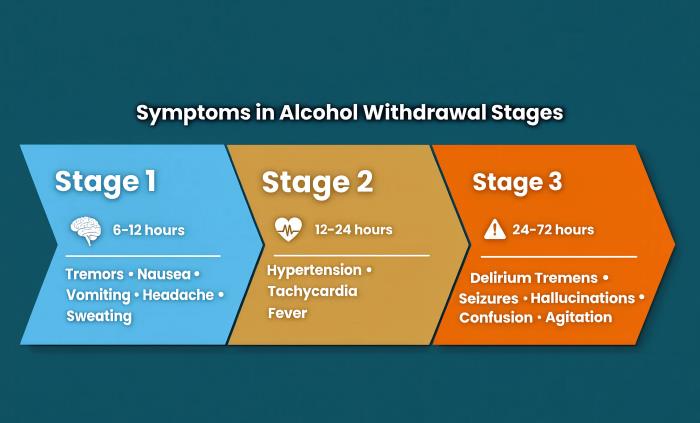
The symptoms may start in hours and depend on the individual. The typical symptoms are the feeling of anxiety, tremor, sweating, nausea, headache, insomnia, and increased heart rate. More severe ones might include hallucinations, seizures, or delirium tremens (DTs), which should be addressed urgently.
How Long Does Alcohol Withdrawal Last?
The withdrawal usually starts 6-12 hours after the final drink, peaks between 24 and 72 hours, and recovers in 5-7days. Others have long-term effects in terms of sleep disorders or mood alteration weeks after. The schedule will be based on drinking history, general health, and intervention.
What Causes Alcohol Withdrawal?
The effects of chronic alcohol consumption subdue the excitatory functions of the brain and amplify inhibitory systems. Upon getting off alcohol, the brain has trouble balancing. This backlash effect creates overstimulation that results in withdrawal symptoms. The more protracted and intensive the alcohol consumption, the more powerful this reaction could be.
What are the Risk Factors for Alcohol Withdrawal?
The factors that put individuals at risk are the presence of long-term or severe drinking usage, withdrawals, comorbid medical or mental illnesses, and elderly age. Preexisting sufferings or DTs are also risk factors. Since severity is not always predictable, it is advisable that medical screening always be carried out before detox.
How is Alcohol Withdrawal Diagnosed?
Diagnosis is done through a physical examination, symptoms, and drinking history. Standardized instruments can be used to find the severity and keep track of any progress made by clinicians. Lab tests will assist in detecting a dehydrating situation or electrolyte disorders or a liver problem.
What is the Treatment for Alcohol Withdrawal?
Treatment is according to the severity. Matter of mild cases can include outpatient surveillance, hydration and rest. Severe to moderate withdrawal may be treated by medically supervised detox using drugs to mitigate symptoms and eliminate complications. The supportive care is fluids, nutrition, and vitamins (such as thiamine), and soothing assurance.
Treatment for Alcohol Use Disorder
Detox is about overcoming the physical dependence but is followed by recovery. Treatment of alcohol use disorder can involve counseling, behavioral therapy, peer support and medication that decreases the craving for or relapse of the drug. An individual approach enhances the long-term results and promotes long-term sobriety.

Practical Ways You Can Help Safely
- Promote hospital care. Have the option of assisting in making an appointment to evaluate or to locate a detox facility.
- Create a calm environment. Lessen pressures, noise and stimuli.
- Promote hydration and nutrition. It may help in taking small meals and fluids in abundance, although only on a doctor’s advice.
- Watch for red flags. Such things as confusion, seizures, or hallucinations must be urgently treated.
- Stay compassionate. The healing starts with human dignity and trust.
Take the Next Safe Step
When the person dear to you needs assistance immediately, you do not have to work it out on your own. DeLand Treatment Solutions is a company providing alcohol detox and full rehabilitation under medical oversight. Call now and talk to a knowledgeable caring admissions specialist and have your options known on safe, effective detox. The timely assistance will allow for avoiding complications and initiate permanent recovery.
Caring, and even courage, are involved in helping a person go through detox. Doing something to help others by putting safety as the first priority, promoting professional assistancy and being supportive, you are making a difference. Need to begin somewhere? Call DeLand Treatment Solutions and receive proper advice based on your case today.
Disclaimer
This content is for informational and educational purposes only and is not intended to replace professional medical, legal, or psychological advice
FAQs
What are the stages of alcohol detox?
Alcohol detox generally progresses through early withdrawal (6–12 hours), peak symptoms (24–72 hours), and stabilization (3–7 days). Some people experience lingering effects afterward. Severity and timing vary, so medical monitoring helps manage symptoms and prevent complications.
What to eat and drink when detoxing from alcohol?
Hydration is essential—water and electrolyte fluids help. Gentle foods like soups, fruits, whole grains, and lean proteins support recovery. Vitamins, especially thiamine, are often recommended by clinicians. Avoid caffeine and sugar spikes unless advised otherwise.
What do they give alcoholics in detox?
In medical detox, clinicians may use medications to reduce anxiety, prevent seizures, and stabilize vital signs. Vitamins and fluids are common. The exact regimen depends on symptoms, health history, and withdrawal severity, and is tailored for safety.
How to fully detox your body from alcohol?
There’s no instant cleanse. The liver needs time to process alcohol while the body rebalances. Medical detox manages withdrawal safely, followed by ongoing treatment. Rest, nutrition, hydration, and professional care support the body’s natural recovery.
What is the 3 2 1 rule for alcohol?
The “3 2 1 rule” is sometimes used informally to describe reducing intake in steps, but it’s not a medical standard. Anyone with dependence should seek medical advice before cutting back to avoid dangerous withdrawal.
How to flush alcohol out of the system fast?
You can’t safely speed up alcohol elimination. Time, hydration, and rest are key. For dependent drinkers, supervised detox is safest. Attempting rapid “flushes” can be risky and doesn’t prevent withdrawal complications.