In This Blog
- How therapy and structured treatment differ
- When therapy alone may not be enough
- What structured treatment programs include
- Evidence on outcomes and effectiveness
- Choosing the right level of support
- How personalized care improves stability
Oftentimes, patients who require emotional or psychological assistance raise the question as to whether mental healthcare can be more beneficial than therapy. It is quite well-known that therapy is beneficial, yet this is not the only type of structured assistance. In the case of a small population, therapy is adequate, as another person might require more comprehensive/coordinated care to deal with a complicated or long-term issue.
The knowledge of the distinction between therapy and comprehensive treatment programs will aid individuals in making informed choices. Its efficacy should be based on individual requirements, the severity of symptoms, environmental circumstances and support needs. Making comparisons of these options is an objective way in which people can be able to select support that suits their situation, not based on a guess.
Expert Advice: “Effectiveness depends on matching support intensity to individual needs.”
What is Meant by Therapy
Therapy generally refers to scheduled sessions with a licensed professional focused on emotional processing, coping strategies, and behavior change. Sessions typically occur weekly or biweekly and emphasize conversation-based approaches.
Therapy can help individuals:
- Understand emotional patterns
- Develop coping skills
- Improve relationships
- Manage stress and mood changes
For many people, therapy provides meaningful progress, especially when challenges are mild to moderate.
What Mental Health Treatment Includes
Mental health treatment is a broader term that may include therapy but also incorporates additional layers of structured support. These programs often provide coordinated services designed to address multiple aspects of functioning at once.
Treatment programs may include:
- Individual and group therapy sessions
- Ongoing monitoring and support
- Structured daily routines
- Education and skill-building
This approach is designed for individuals whose needs extend beyond periodic therapy sessions.
100% Confidential Support is Available 24/7
No matter what you’re going through, you’re not alone. Our dedicated team is here to provide a safe, judgment-free space where you can talk openly and honestly. Whether you need emotional support, resources, or just someone to listen.
We’re here for you—completely confidential and always respectful of your privacy. Call us today!
When Therapy Alone May Be Enough
Therapy can be effective when individuals are able to function in daily life and maintain responsibilities while working through emotional concerns. It is often suitable for those who have stable environments and strong external support systems.
People who benefit most from therapy alone often have:
- Consistent daily structure
- Mild or situational distress
- Strong family or social support
- Ability to apply skills independently
In these cases, therapy may be both appropriate and sufficient.
When Broader Treatment May Be More Effective
Some individuals experience challenges that interfere with daily functioning, safety, or consistency. In these situations, therapy alone may not provide enough structure or frequency of support.
Broader treatment programs can help when:
- Symptoms persist despite therapy
- Daily routines feel unmanageable
- Emotional distress affects work or relationships
- Additional accountability is needed
Effectiveness improves when the level of support matches the level of need.
Comparing Therapy and Structured Treatment
Aspect | Therapy | Structured Treatment |
Frequency | Weekly or biweekly | Multiple times weekly |
Support scope | Focused conversations | Coordinated care |
Daily structure | Limited | Consistent routines |
Monitoring | Minimal | Ongoing oversight |
This comparison shows that neither option is inherently better; effectiveness depends on alignment with individual needs.
Evidence on Effectiveness
Research from national organizations indicates that outcomes improve when individuals receive the appropriate intensity of support. People who require more structure often experience better stability when support is consistent and multifaceted.
Studies emphasize that recovery and emotional well-being improve over time when individuals remain engaged in services suited to their level of challenge.
Call DeLand Treatment Solutions for confidential guidance
The Role of Personalization
One-size-fits-all approaches are less effective than personalized care. Both therapy and treatment programs work best when tailored to the individual’s goals, strengths, and challenges.
Personalized support helps address:
- Emotional regulation
- Behavioral patterns
- Environmental stressors
- Long-term stability
Customization improves engagement and follow-through.
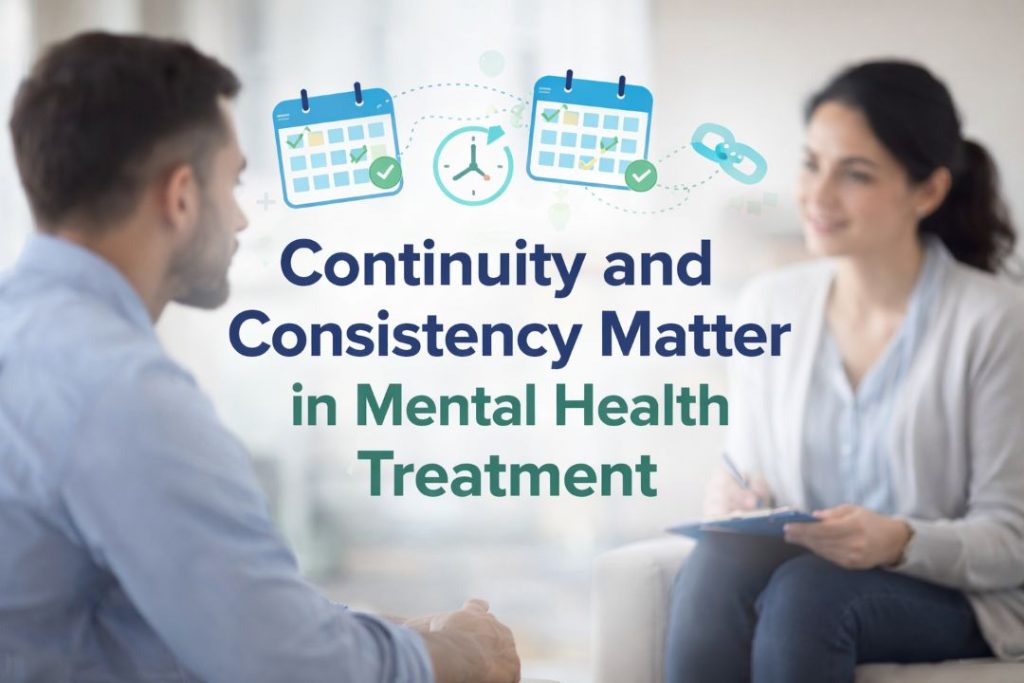
Continuity and Consistency Matter
Effectiveness is strongly influenced by consistency. Structured treatment programs often provide continuity through regular engagement, while therapy relies more heavily on individual initiative between sessions.
For people struggling with consistency, structured programs may offer a stabilizing framework.
Choosing the Right Level of Support
Selecting between therapy and broader treatment requires honest assessment. Factors to consider include symptom intensity, daily functioning, and previous experiences with support.
Consulting with experienced professionals helps individuals determine which option aligns best with their current situation.
Support Beyond Sessions
Treatment programs often emphasize support beyond scheduled sessions by reinforcing routines, accountability, and education. This approach helps individuals practice skills consistently rather than intermittently.
For some, this extended reinforcement leads to stronger outcomes.
Family and Environmental Considerations
Family involvement and living environment can influence effectiveness. Individuals in supportive environments may succeed with therapy alone, while others benefit from structured settings that reduce external stressors.
Understanding these factors supports informed decision-making.
Outcomes Improve With Appropriate Matching
Evidence consistently shows that outcomes improve when individuals are matched to the appropriate level of care rather than placed in the least intensive option by default.
Effectiveness is not about choosing more or less support, but the right kind.
Contact DeLand Treatment Solutions to explore personalised support options
Long-Term Perspective on Effectiveness
Progress is often gradual. Whether through therapy or structured treatment, effectiveness increases when individuals remain engaged and supported over time.
Sustained involvement leads to improved functioning and quality of life.
Comparing Outcome Goals
Goal | Therapy Focus | Treatment Focus |
Insight | High | High |
Structure | Limited | Strong |
Skill practice | Independent | Guided |
Accountability | Personal | Shared |
Both approaches aim for growth, but through different mechanisms.
FACT: Matching support intensity to individual needs improves long-term emotional stability.
Deciding between therapy and broader mental health treatment can feel confusing, especially when progress feels stalled. DeLand Treatment Solutions offers personalized programs designed to provide the right level of support at the right time. When care is aligned with real needs, individuals gain clarity, confidence, and momentum toward lasting stability.
Medical Disclaimer: “This blog is for informational purposes only and is not a substitute for professional medical advice.
Key Takeaways
- Therapy and treatment serve different levels of support needs
- Therapy alone can be effective for mild or situational challenges
- Structured treatment provides consistency and broader support
- Effectiveness depends on matching intensity to individual needs
- Personalized approaches improve engagement and outcomes
- Long-term stability improves with appropriate ongoing support
FAQs
Is mental health treatment better than therapy?
Mental health treatment is not automatically better than therapy. Effectiveness depends on individual needs, severity of challenges, and daily functioning. Some people benefit from therapy alone, while others require broader, structured support that combines multiple services to help build stability and encourage long-term emotional and behavioral improvement.
When is therapy alone usually sufficient?
Therapy alone is often sufficient for individuals with stable routines, supportive environments, and mild emotional distress. When people can apply coping strategies independently, maintain responsibilities, and manage stress effectively, therapy may provide enough guidance without the need for additional structured mental health support.
What makes structured treatment more effective sometimes?
Structured treatment may be more effective when challenges disrupt daily life or persist despite therapy. Regular schedules, coordinated services, and ongoing support help reinforce coping skills, establish routines, and provide consistency, which can reduce instability and support progress when therapy alone feels insufficient.
Can someone move between therapy and treatment?
Yes, many people move between therapy and structured treatment as their needs change over time. Support levels may increase during periods of difficulty and decrease as stability improves, allowing care to remain flexible, responsive, and aligned with an individual’s current circumstances and personal goals.
Does structured treatment include therapy sessions?
Most structured treatment programs include therapy as a core component. The key difference is the addition of consistent routines, educational support, skill-building activities, and coordinated care that surround therapy, helping individuals address broader emotional, behavioral, and daily functioning needs more effectively.
How do I know which option fits me?
Determining the right option involves evaluating emotional intensity, daily functioning, past support experiences, and personal goals. Speaking with qualified professionals can help assess these factors objectively and guide individuals toward the most appropriate level of mental health support for their current situation.
References
- National Institute of Mental Health
- Substance Abuse and Mental Health Services Administration
- American Psychological Association
- National Alliance on Mental Illness
- PubMed