Dual diagnosis treatment Florida centers assist those individuals who suffer from a mental health disorder and drug addiction. Effective care follows a holistic approach by taking care of the concerns simultaneously via assessment, treatment, medication, if warranted, recovery support, and treatment planning.
If you are experiencing the signs and symptoms of depression, anxiety, trauma, bipolar disorder, or other mental health issues, but also have alcohol or drug use, sometimes it’s not enough to treat one disorder. Dual diagnosis treatment centers in Florida offer holistic treatment that overlaps the management of mental health and substance use. The link between these concerns is important and is a potential first step in the direction of sustainable recovery at DeLand Treatment Solutions.
Key Takeaways
- Dual diagnosis implies that an individual is affected by both a mental health disorder and a substance use disorder.
- The symptoms of a mental health condition may impact a person’s substance use, or vice versa.
- Integrated treatment combines both conditions in one treatment, based on the distinct premise that attempting to treat one condition without the other is an incomplete treatment.
- Treatment might involve therapy, medication management, behavioral support, family involvement, and planning for relapse prevention.
- Appropriate care is based on signs, drug use, risks, health status, and functioning.
- Recovery is possible and should be tailored to the individual; think one size doesn’t fit all.
What is a Dual Diagnosis in Rehab?
A dual diagnosis or co-occurring disorder happens when someone suffers from a mental health condition and a substance use disorder.
For instance, a person could suffer from depression and use alcohol to deal with feelings of sadness. Someone might get anxious and often turn to marijuana or prescribed medication to calm their nerves and depression. For people who have a pre-existing psychiatric disorder, substance use may exacerbate existing psychiatric symptoms or produce symptoms that mimic psychiatric illness.
It isn’t necessarily straightforward. Anxiety, agony from trauma, genetic susceptibility, changes in the brain and seeking to quell emotional suffering are some of the ways mental health and substance abuse disorders influence one another, says the National Institute of Mental Health (NIMH).
That is why it is important to have a comprehensive evaluation.
Why Integrated Dual Diagnosis Treatment Matters
Think about tackling two interlinked issues without addressing one. Getting to the next level may be much more difficult.
A person can be abstinent and still suffer from intense anxiety. While people use stimulants, opioids, or other drugs, another person can get depression treatment. If both concerns remain unresolved, then it is probable that symptoms will perpetuate.
It is also recommended by the Substance Abuse and Mental Health Services Administration (SAMHSA) to have integrated care for mental health and substance use disorders. Integrated treatment combines mental health and substance use care to make sure the person receives a more comprehensive and tailored treatment.
The aim is not just to abstain from using substances. It is designed to assist the person with understanding what is happening, improving coping mechanisms, alleviate symptoms, and is used to create a long-term recovery plan.
Seeking help from DeLand Treatment Solutions provides essential guidance
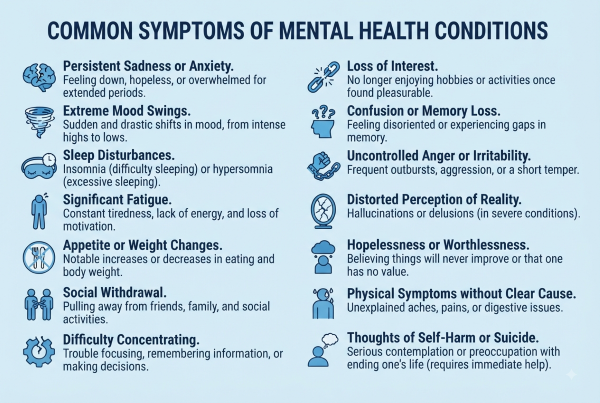
Mental Health Conditions That Can Occur With Addiction
There are many different combinations that could be considered a dual diagnosis. Substance use disorders often go along with common mental health disorders, such as:
- Depression
- Anxiety disorders
- Bipolar disorder
- Post-traumatic stress disorder (PTSD)
- Schizophrenia
- Attention-deficit/hyperactivity disorder (ADHD)
- Certain personality disorders
This can also depend on what the substance is. This can be due to alcohol, opioids, stimulants, marijuana, prescription medications and other substances.
SAMHSA points out that there is no one set of combinations that can define a co-occurring disorder. Some people may suffer from both psychiatric and addiction disorders, and treatment requirements will vary based on the person’s specific condition.
What Happens at Dual Diagnosis Treatment Centers in Florida?
Treatment typically starts with an evaluation. Substance use, mental health symptoms, physical health, medications, family history, trauma, relationships, work, sleep, and prior treatment may be asked.
This information will assist the care team in their decision about what support is required.
Treatment may comprise any of the following, dependent upon the individual:
Individual Therapy
One-on-one therapy guidance can assist in understanding and recognizing triggers, uncovering any unhealthy thought patterns, discussing challenging events and imparting practical coping skills.
Depending on the person’s needs, the therapies may include cognitive behavioral therapy (CBT), motivational interviewing, or other evidence-validated therapies. Behavioral therapies are recognized as treatment components to help individuals with co-occurring conditions by NIMH.
Medication Management
Prescription drugs might be needed for certain mental health problems or substance abuse disorders. The use of medication should only be decided on by a trained health care practitioner who is qualified to assess whether it is appropriate, what medication may be appropriate, and the monitoring of medication.
This does not mean that all who suffer from a dual diagnosis must necessarily use medication.
Group Therapy
Group Sessions can help decrease feelings of isolation and offer a chance to learn from others who may have similar experiences. Groups can discuss recovery skills, regulating your emotions, communication, preventing relapse, or mental health topics.
Family Support
Addiction and mental health can have consequences on family relationships. Family therapy or education may be used to teach the family more about the conditions, to encourage better communication between the individual(s) and the family and to help with setting up better boundaries within the family.
Relapse Prevention
Recovery doesn’t cease once a person has finished a first treatment program. Relapse prevention planning is a helpful way to keep track of cues, precipitants, coping, helpers, and services.
Choosing the Right Dual Diagnosis Treatment Program
Not all treatment programs provide a full range of services. Look for dual diagnosis treatment facilities in Florida that can treat both mental health and substance abuse issues.
Ask questions such as:
- Does the program offer a combined mental health & addiction treatment?
- Is there licensed mental health and/or drug and alcohol care staff involved?
- Are there available psychiatric assessments as appropriate?
- What happens to medicines?
- Which treatments are there?
- Will you have any obligation beyond the program?
- Is there any alteration of the treatment plan as symptoms alter?
- Is there a coordination of continuing care provided by the program?
- A good program should take a holistic approach; it should address a person’s entire story, rather than merely the trigger or drug.
A word about Florida Mental Health Law:
Additionally, individuals seeking treatment can also be confronted with questions pertaining to the Baker Act in Florida. The Florida Mental Health Act (commonly referred to as The Baker Act) provides for a model relating to the legal procedures of mental health examination and treatment, including both voluntary and involuntary examinations.
But don’t forget what happened to behavioral health in Florida in 2025. Legislation, for instance, mandated that the 988 Suicide & Crisis Lifeline be embedded in the state’s mental health crisis response and has made changes in involuntary examination and outpatient services.
There are laws that can be complicated. Questions regarding any individual-specific legal situation should be directed to a treatment provider, attorney, or qualified professional.
Get Help for Mental Health and Substance Use Together
If you, or someone you know, are experiencing symptoms of addiction and a mental health disorder, it’s not something that you have to deal with on your own.
DeLand Treatment Solutions can assist you in discovering an appropriate treatment option and the kind of help that might be appropriate for your situation. Making contact does not imply a commitment to treatment. It’s just a place you can go and find out questions and what you should do next.
If you are interested in talking about how we can help you or your loved one get treatment for dual diagnosis, please give us a call at DeLand Treatment Solutions.
Final Thoughts
People with a mental health condition and addiction can feel that things are too hard and it becomes overwhelming both problems seem to make it even harder to manage. However, there isn’t a necessity of deciding between addiction treatment and mental health care as a part of an effective treatment program.
Other addiction and mental health specialists may be able to help the person recover by treating both aspects of the issue at the same time, which can be achieved at dual diagnosis treatment centers in Florida.
If you are prepared to seek your best treatment, call DeLand Treatment Solutions and begin the journey to individual care and recovery today.
FAQs
What Is the New Name for Dual Diagnosis?
The term “co-occurring disorders” is now commonly used instead of “dual diagnosis.” Both terms describe the presence of a mental health disorder and a substance use disorder. SAMHSA commonly uses “co-occurring disorders” in its clinical and educational resources.
What Is the Best Treatment for Dual Diagnosis?
The best treatment is individualized and addresses both mental health and substance use together. Integrated care may combine therapy, medication management, behavioral interventions, family support, and continuing care based on the person’s symptoms and recovery goals.
What Is the New Mental Health Law in Florida?
Florida’s 2025 behavioral health legislation made several changes, including integrating 988 into the state’s crisis response network and clarifying certain Baker Act procedures. The Florida Mental Health Act remains commonly known as the Baker Act.
What are the Top Dual Diagnosis Treatment Centers in the US?
There is no single national ranking that identifies the best dual diagnosis treatment center. The right program should have qualified professionals, integrated mental health and addiction services, appropriate levels of care, individualized treatment plans, and strong continuing-care support.
What Is a Dual Diagnosis in Rehab?
A dual diagnosis means a person has both a mental health disorder and a substance use disorder. Rehab programs that treat co-occurring conditions work on both concerns together instead of focusing exclusively on addiction or mental health.
What Is the Hardest Mental Illness to Live With?
There is no single “hardest” mental illness because experiences vary from person to person. Conditions can become especially difficult when symptoms are severe, persistent, untreated, or combined with substance use. Proper assessment and treatment can improve functioning and quality of life.
Can Mental Illness Cause Addiction?
Mental illness does not automatically cause addiction, but the two can be connected. Some people may use alcohol or drugs to cope with emotional distress, while substance use can also worsen or contribute to mental health symptoms.
Can You Recover From a Dual Diagnosis?
Yes. Both mental health disorders and substance use disorders are treatable. Recovery may require ongoing care, therapy, medication, healthy routines, supportive relationships, and relapse-prevention strategies. The treatment plan may also change as a person’s needs and goals change.
Disclaimer
This article is intended for general educational and informational purposes only. It is not a substitute for professional medical, psychiatric, psychological, legal, or emergency advice. Treatment needs vary from person to person. If you are experiencing an immediate mental health or medical emergency, seek emergency assistance or contact an appropriate crisis service.
References and Content Sources
- Substance Abuse and Mental Health Services Administration (SAMHSA): Co-Occurring Disorders
- National Institute of Mental Health (NIMH): Co-Occurring Substance Use and Mental Disorders
- Florida Senate: 2025 Mental Health and Substance Use Disorders Legislation
- Florida Senate: Florida Mental Health Act / Baker Act Statutes
- American Addiction Centers: Dual Diagnosis Rehab Treatment Centers in Florida