Quick Answer: Inpatient drug rehab facilities in Florida offer 24-hour care in a structured environment where drug addiction sufferers can discontinue the use of harmful substances to start their recovery. Care provided may include medical services, therapy, medication management, behavioral health, and a plan for ongoing care that’s unique to the individual.
It can be an overpowering thought; however, it is possible to discover the most ideal inpatient drug rehab Florida alternatives, particularly with the point that dependency can influence health, relationships, professional life, and day-to-day life. There are hundreds of treatment facilities in Florida for varying levels of treatment, such as inpatient, residential, detox, outpatient, and intensive outpatient.
But the more pressing question is, “Which is the closest facility?” That is basically, “How much care should this individual receive?” Others may require hospital stabilization. Residential therapy (structure/support 24 hours a day) supports others. However, if you have an idea of what you are searching for, this distinction can make it a lot simpler to look up.
Key Takeaways
- Inpatient drug rehab provides the client the structure they need and helps them stay away from their drug of choice, as well as other stimuli.
- Inpatient drug rehab facilities can offer medical, clinical, psychiatric, and recovery supports.
- There are a variety of treatment facilities in Florida, such as inpatient, residential, detox, and outpatient facilities.
- Differential levels of care are based on use, withdrawal risk, medical need, and mental health/safety.
- DeLand Treatment Solutions provides help for drug and other behavioral health problems at their residential treatment facility in DeLand, FL.
- The cost of care may vary depending on the insurance, treatment duration, services, and eligibility.
- The expression “inpatient rehabilitation facility” can also be applied to a special medical rehab center, where addiction rehabilitation is not offered.
What is an Inpatient Rehab Facility?
Inpatient rehab really is a surprisingly simple place where people receive extensive residential treatment in a facility where they live while battling some addiction or significant behavioral or psychological health concern around the clock.
Oftentimes, an inpatient facility is very regimented. Services may consist of medical monitoring, withdrawal monitoring, individual therapy, group counseling, psychiatric services, medication management, family support and discharge planning, amongst others that might be provided as part of the program.
It is NOT a 2- or 3-day drug break. But good treatment also enables a person to realize what has led to addiction, to acquire the ability to cope more effectively, to treat any mental health issues and to prepare for life after drug use.
How Do Inpatient Drug Rehab Facilities Work?
The majority of inpatient drug rehabilitation centers start with a drug and alcohol evaluation. To gain more information regarding the person’s substance use history, health, mental health, medication use, histories of treatment, and concerns regarding withdrawal and living environment.
There, the treatment team makes a recommendation on the level of care that is appropriate.
Medical detox or hospital-based treatment may be necessary before seeking continuing care in a person’s case if they are in danger due to withdrawal. A supportive and controlled environment may be more appropriate for someone who is medically stable but needs residential treatment.
Treatment can include:
- Individual counseling
- Group therapy
- Family therapy
- Cognitive behavioral therapy
- Trauma-informed care
- Medication management
- Medications as indicated and appropriate.
- Psychoeducation
- Case management
- Peer recovery support
- Relapse-prevention planning
- Support and care planning after treatment
Florida treatment directories show that there’s a wide variety of treatment centers, some with multiple levels of care and some even being operated under the same organization.
Who May Benefit From Inpatient Drug Rehab in Florida?
Outpatient drug rehab in FL may be regarded as the right alternative if an individual doesn’t need as much support on-site.
This can include individuals who:
- Accept outside help with safely using drugs.
- Become extremely withdrawn.
- Carry on with drug use even if it has serious consequences.
- Repeatedly return to drugs and/or alcohol after treatment.
- Live in an environment where drugs are readily available
- Have mental health problems at the same time
- Prefers predictable, frequent routine:
- Should be closely monitored clinically.
- Requires time in a setting conducive to reducing stressful and/or triggering environments.
You don’t have to “hit rock bottom” before you need help. However, early intervention can help and prevent drug use from reaching or exceeding levels that are harmful.
Inpatient Rehab Facilities in Florida: What Should You Look For?
Don’t just assume that a rehab center’s appearance counts when you’re making a comparison of conditions among inpatient rehab centers in Florida. Quality and appropriateness of care is more important than the amenities.
Consider asking:
What kind of illnesses can the program treat?
Some specialize in drug abuse and alcohol abuse issues and others work in mental health facilities or a dual diagnosis facility.
Is there a health care facility?
If it would not be beneficial for the patient to withdraw, ask if medical withdrawal facilities are available or if the facility has a referral to a medical facility that can conduct medical withdrawal.
Are co-occurring disorders a part of the program?
Substance users might also suffer from depression, anxiety, traumatic experiences, as well as other mental health problems. An integrated treatment can be used to address both concerns.
In any case, what treatments are there?
Inquire if they offer the various types of treatment, such as individual, group, family, behavioral, and experiential.
What will happen to their patient after treatment?
An effective discharge plan will link the individual with the necessary outpatient treatment, recovery support, sober living, or other ongoing treatment services as appropriate.
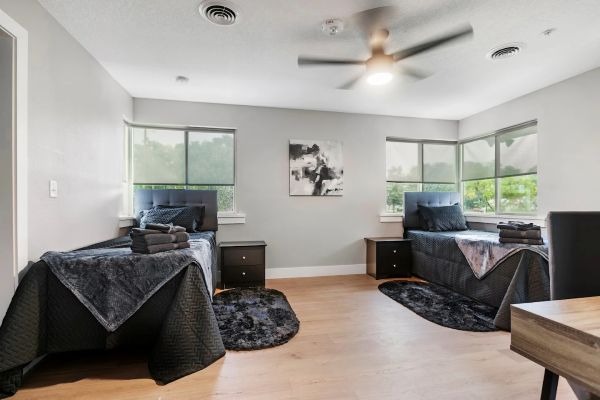
DeLand Treatment Solutions in Central Florida
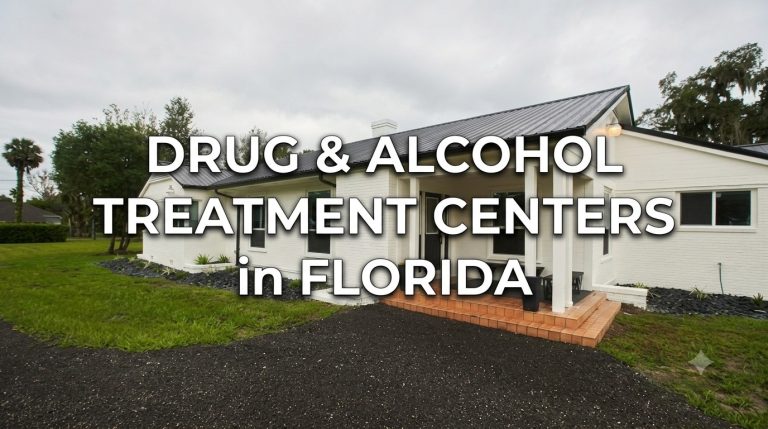
1200 W. New York Ave., DeLand, Florida, is a residential treatment facility for drugs and alcohol and mental health concerns under the name DeLand Treatment Solutions. The group states that they are a dual diagnosis residential treatment facility near Orlando, FL.
It provides one-on-one and group counselling, individual case management and medication management, medication-assisted treatment (MAT), recovery support, peer support and other individual treatment planning needs to children and families.
DeLand Treatment Solutions also provides information about treatments, including CBT, DBT, ACT, trauma-informed therapy, mindfulness-based therapy, art therapy, music therapy, and recreational therapy.
It’s important to note one point of difference: while some people may refer to residential treatment as an “inpatient” program, that’s not always the case, since there are inpatient treatment programs that are not located in a hospital setting.
Residential care can be utilized with an individual who might require some sort of structured lifestyle, yet residential care can likewise be suitable after a person has been stabilized in inpatient treatment and still needs therapy and assistance, says DeLand Treatment Solutions.
If you’re not sure that you need an inpatient or residential program, detox, outpatient, etc., consult a knowledgeable treatment professional before you decide.
Ready to Take the Next Step?
Don’t go through it alone. When substance use interferes with a family member’s life or poses a danger to your family, ask what to do. Talk with DeLand Treatment Solutions about your situation, various treatment options, insurance questions and the level of care needed.
If you are ready to receive help, call DeLand Treatment Solutions for some information on treatment options and confidential help. According to the facility, it is confidential, and it could also help with verifying insurance.
How Much Does Rehab Cost in Florida?
There are a wide variety of drug rehab facilities to choose from and the cost differences will vary. These may be things like the level of care, length of treatment, medical services, therapies, facility type, location and insurance coverage.
Whether a program accepts private insurance or offers self-pay, financing or assistance with determining insurance benefits will depend on the program. Florida treatment directories also enable individuals to compare programs, services, and insurance.
No one price fits all individuals or facilities. Before admission, demand a clear explanation of what your insurance covers, what you might owe, and services included.
Is Rehab Free in Florida?
There are some individuals who may be eligible for free or publicly funded substance use services but free treatment isn’t a guaranteed thing. Eligibility is subject to income eligibility, residency, insurance, provider, funding, and service type.
Mental Health and Substance Use Treatment Locator is a free, confidential service provided by SAMHSA when people seek treatment resources.
How Long Do You Stay in Inpatient Rehab?
There is no standard treatment time. Availability of insurance, recommended level of care, improvement in care, mental health concerns, and severity of substance use and withdrawal needs will dictate the length of stay.

How to Find Inpatient Drug Rehab Facilities Near Me
Drug rehab facilities can be found in a wide variety, and the price difference will be different. These can include treatment length, type of care, medical services provided, therapies, the location of the facility, and insurance.
Support, such as program financing or determining insurance benefits, will depend on the program, whether it accepts private insurance or is self-pay. The Florida treatment directories also allow for individuals to compare programs with regard to services and insurance.
It’s a great encouragement when individuals look up ‘inpatient drug rehabilitation centers near me’ however, location should not be the sole measure considered.
Explore a program that:
- Demonstrates a treatment to the substance(s) and/or subject involved.
- Can discuss concurrent mental health issues as necessary.
- Offers the level of medical and clinical help as needed.
- Accepts your insurance or communicates the self-pay requirements
- Delivers an in-writing treatment and discharge plan.
- Has medically qualified staff.
- May be able to arrange a higher level of support if there are medical or psychiatric changes.
Another option is to use SAMHSA’s FindTreatment.gov to find treatment providers and services in one’s vicinity.
Important: Inpatient Addiction Rehab vs. Inpatient Rehabilitation Facilities
But this term, “inpatient rehab facilities,” may be confusing, based on another Medicare term “inpatient rehabilitation facility” or “IRF.”
Patients with stroke, spinal cord injury, brain injury, major trauma and burn injuries may be treated by IRF; the treatment of some neurological and some orthopedic conditions may also be considered. They’re not the same facilities as drug and alcohol addiction treatment centers.
This difference is significant in learning more about the “60% rule” and the “13 qualifying diagnoses”.
Can I Use My Phone in Rehab?
Each inpatient drug rehab facility is able to structure its own telephone policies. During certain times, the program allows for cell phones and other programs to have them for the early portion of therapy.
While restrictions can help the client focus their efforts on treatment, it can also help to ensure their privacy and decrease their interactions with people and situations that may impede treatment. Inquire about the phones, visitation, internet, and communication policies of the facility prior to admission.
What Happens After Inpatient or Residential Treatment?
Recovery isn’t done when a person leaves the treatment center. The risk of recurrence to drug use can be lessened, and support can be provided through continuing care as the person gets ready to re-enter the world with their normal obligations.
Outpatient therapy, intensive outpatient treatment, medication management, peer support, recovery groups, sober living, family counseling, and continued mental health care are all options for aftercare services, which will depend upon the specific needs of the individual.
The right plan must be realistic and tailored to an individual. Once they come out of treatment in the same stressful circumstance, or without support, they might need a lot more.
Get Confidential Help in Central Florida
Deciding on which inpatient drug rehab facility to choose from can be challenging but not impossible. An expert appraisal can help to identify detox or inpatient/outpatient or residential care, among other treatment options.
DeLand Treatment Solutions provides a range of residential drug & alcohol detox, drug and alcohol treatment, and co-occurring disorders mental health treatment available in DeLand, Florida. It provides personalized treatment options and clinical, behavioral, recovery, and supportive services provided by its team.
Call DeLand Treatment Solutions today to learn about their treatment options, verify your insurance, and take the next step toward recovery. The facility assures you of support any time, day or night, and it will be confidential.
Frequently Asked Questions
What is the average stay with inpatient rehab centers?
There is no single average stay that applies to every person. Treatment length depends on medical needs, substance use severity, withdrawal risk, mental health, progress, insurance coverage, and the level of care recommended by the treatment team.
How much does rehab cost in Florida?
Rehab costs vary by facility, treatment level, length of stay, services, and insurance coverage. Some programs accept insurance, while others offer self-pay or financing options. Ask for a personalized cost and insurance estimate before admission.
Is rehab free in FL?
Some publicly funded or low-cost treatment services may be available to eligible Florida residents, but free care is not guaranteed. Eligibility depends on factors such as income, residency, funding, insurance, and the treatment provider.
How long do you stay in inpatient rehab?
The length of inpatient treatment depends on individual clinical needs. Some people need short-term stabilization, while others benefit from longer treatment. A professional assessment helps determine the safest and most appropriate duration of care.
How to qualify for inpatient rehab?
Qualification is based on clinical need, safety, medical and mental health concerns, substance use severity, and the treatment provider’s admission criteria. Insurance authorization may also affect eligibility, but clinical need should guide the level of care.
What is the 60% rule in inpatient rehab?
The 60% rule is a Medicare requirement for specialized inpatient rehabilitation facilities. At least 60% of an IRF’s inpatient population must require intensive rehabilitation for one or more of 13 qualifying medical conditions. It does not apply specifically to addiction rehab.
Can I use my phone in rehab?
Phone policies differ between treatment programs. Some facilities permit phone use during scheduled times, while others limit personal devices. Ask about phone, visitation, internet, and communication rules before entering treatment so expectations are clear.
What are the 13 qualifying diagnoses for inpatient rehab?
The 13 qualifying conditions under Medicare’s IRF rules include stroke, spinal cord injury, brain injury, amputation, major trauma, hip fracture, burns, certain neurological and arthritic conditions, congenital deformity, and certain joint replacement cases. These rules concern medical rehabilitation, not addiction treatment.
Disclaimer
This article is for general educational and informational purposes only. It is not medical advice, a diagnosis, or a substitute for an evaluation by a qualified healthcare professional. Treatment needs vary from person to person. Inpatient, residential, detoxification, and outpatient services have different purposes and eligibility requirements. If someone is experiencing a medical emergency, severe withdrawal, overdose, or an immediate risk of harm, seek emergency medical assistance.
Information about DeLand Treatment Solutions is based on the facility’s published information and should be confirmed directly with the organization because programs, services, availability, insurance participation, and admission criteria can change.