Peer pressure and drinking are not issues just for teenagers, it is an issue for people in general, including at an early age, college students, and young adults. Physical illnesses such as trouble fitting in, rejection, or acceptance can lead people to drink more than normal, if they drink at all on that day or at the end of the day. Instruction combined with social awareness to improve self-confidence and coping strategies will decrease the risk of alcohol abuse. If drinking begins to cause harm to a person’s health, relationships, work or education, then seeking professional treatment will help get them on the right track.
Supposedly, drinking is a “social norm,” meaning it’s something that should just be done in social situations; this is never something to be taken up without any pressure whatsoever. Knowing how and why influence works or doesn’t and how to deal with it can help you make decisions that keep you on track and in tune with your values.
Key Takeaways
- Early age, college students, and adults are all subject to peer pressure and drinking.
- Social acceptance is a major factor in an individual’s overindulgence.
- Being able to practice refusal skills can help you make it easy to refuse alcohol.
- Good friends accept other people’s decisions and boundaries.
- Drinking alcohol multiple times can lead to alcohol use disorder.
- But when alcohol starts to cause a problem in everyday life, professional help is available.
What Is Peer Pressure and Drinking?
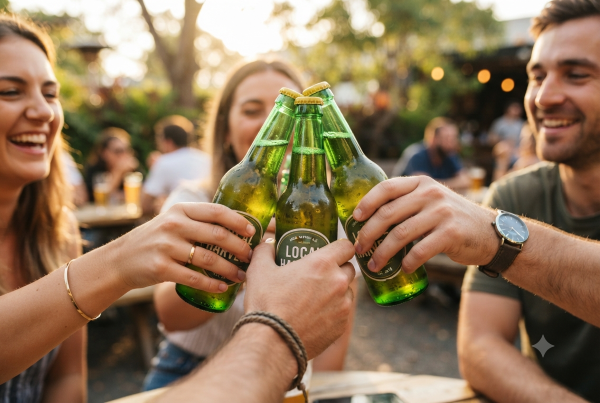
Peer pressure and drinking refer to the situation where a person might make the choice to drink because of friends, classmates, work associates, teammates, or other associates. Sometimes the pressure is explicit, like, “Come on, just one drink. Other times it’s kind of passive, and everyone around you is drinking and you feel like you need to be drinking as well.
Peer pressure is often thought to be a problem that occurs exclusively among early age. Actually, adults are subject to social pressure about drinking at work functions, party events, sporting events, vacations, and family events.
Social influence is a key factor in alcohol consumption particularly among adolescents and young adults. Individuals become drinkers for the same reasons: to fit in, to not feel “left out” or to decrease social anxiety.
The positive thing is that knowing about these influences is half the way towards learning to make healthy choices.
Why Does Peer Pressure Influence Alcohol Use?
All humans are in search of connection and acceptance. Being together in a group helps people to develop relationships and confidence. Unfortunately, sometimes the same desire can lead to unwholesome behaviors.
Peer pressure and alcohol use can be due to several factors such as:
- Desire to meet up with friends
- Fear of rejection
- Curiosity about alcohol
- Social anxiety
- Stress relief
- Low self-confidence
- Everyone else does it, so it’s OK.
Many people secretly feel uneasy about drinking and are surprised to hear that this is the case for many others as well.
Examples of Peer Pressure and Drinking
It’s important to know the signs of peer pressure and alcohol use so that it can be easier to spot trouble situations before they start.
Common examples include:
- People are calling you to “take one more shot.
- Shame around water ordering/desiring instead of alcohol.
- Drinking lots of alcohol at parties, just because others are drinking lots of alcohol.
- Co-workers coaxing drinking after work, even if you intend to drive home.
- Drinking games forced on freshmen by their roommates in college.
- Friends tease when others say no to drinking.
Peer pressure is not necessarily a bad form of peer pressure. It may be done subtly with comments, social pressures, or simply the desire not to stand out.
Facing overwhelming drinking culture at school or work? DeLand Treatment Solutions offers individualized therapy and support tailored to your life stage. Call us to get started.
Peer Pressure and Drinking in College
A pivotal time for peer pressure and drinking in college is the student’s first year away from home.
College often introduces the following:
- New friendships
- Parties
- Fraternity/Sorority events
- Sporting celebrations
- Greater independence
- Less parental supervision
Pupils might think it is essential to drink in order to be popular or to fit in with campus life. Many social functions have alcohol – but you don’t have to drink to have great relationships.
It will be easier to resist pressure if you pick out friends who respect you and your choices.
When a child can confidently say no, it usually boosts their self-confidence in other parts of their lives.
Peer Pressure and Underage Drinking
In this context, peer influence and drinking at a young age have been big public health issues as youth are still emotionally and physically maturing.
Adolescents may increase their risk-taking behavior if they deem actions acceptable from peers. They may not be aware of the risks of excessive drinking but think the social benefits are exaggerated.
The underage drinking age can lead to:
- Poor decision-making
- Accidents and injuries
- Academic struggles
- Legal consequences
- Higher risk for future alcohol abuse
Parents, teachers, coaches, and trusted adults all have important roles to play in helping young people feel confident in healthy decision-making, before they are given social pressure.
Peer Pressure and Binge Drinking
Peer pressure and binge drinking are also serious issues.
Binge drinking is the consumption of lots of alcohol over a short period, which results in an elevated blood alcohol concentration.
A lot of binge drinking occurs during:
- College parties
- Concerts
- Sporting events
- Vacations
- Birthday celebrations
- Holiday gatherings
Individuals might be involved due to the fear of rejection or judgment from friends.
Unfortunately, there are great risks associated with binge drinking, including the following:
- Alcohol poisoning
- Injuries
- Car crashes
- Unsafe sexual behavior
- Violence
- Blackouts
But it’s the ability to catch unhealthy social patterns early that can help prevent these negative consequences.
How to Resist Peer Pressure to Drink Alcohol
Just learning to resist peer pressure to drink alcohol is a skill that will come with practice.
Helpful strategies include:
Ask yourself to make decisions BEFORE you go.
Plan on an event, knowing how much you can handle. It can be helpful to think ahead in advance so that it’s easier to stay on track with your choice.
Practice Saying No.
Simple answers can be used, e.g.
- “I’m driving tonight.”
- “Yeah, so what you have is okay with me.”
- “No thanks.”
- I’m taking a drinking fast.
You don’t have anyone that you need to explain something lengthy to.
Look for connections and relationships that are positive;
In a healthy friendship, others’ choices are respected. Friends who constantly push you towards drinking might not mean well.
Have a Non-Alcoholic Drink
Carrying water or soda or another drink in your hand will work to curtail invitations from other people.
Leave When Necessary
When you know that you are feeling pressured by other people, getting out of the situation is not a sign of weakness, but is the healthiest thing you can do in the situation.
When Peer Pressure Becomes a Bigger Problem
Social drinking doesn’t necessarily progress to addiction. But, with constant peer pressure and drinking, behaviors can change over time.
If you notice the following, you might want to seek professional assistance:
- Excessive use of alcohol or beverages
- Difficulty saying no
- Frequent blackouts
- Drinking just to fit in instead of for a thirsty feeling
- Life issues associated with alcohol
- Increased tolerance
- Having to drink to fit in social situations
These can be signs that drinking has become more than a social get-together.

Building Confidence to Say No
Resisting alcohol is just a matter of willpower, many people think. In fact, confidence is built over time and experience. The easier it is to avoid peer pressure and drinking situations, the more comfortable you can be with this setting of boundaries.
Here are some “how-to” boost confidence strategies:
- Be aware of personal motives for restricting and/or avoiding alcohol consumption.
- Rehearse answers to questions at social functions.
- They should be among persons who respect your decisions.
- Avoid activities that are alcohol-dependent.
- Don’t forget, “no” is a full sentence!
Confidence is not about being comfortable all the time; it’s about making decisions that are good for your health, even if they aren’t popular at the moment.
Healthy Friends Respect Healthy Choices
A great way to resist peer influence and underage drinking is to surround yourself with positive peers.
Healthy friendships encourage:
- Mutual respect
- Honest communication
- Personal growth
- Safe decision-making
- Emotional support
After refusing advances to drink, if this is done over and over again, it might be a time to rethink the relationship’s health. A true friend doesn’t judge you for whether or not you drink alcohol.
Focusing on common interests instead of alcohol can mean richer and deeper connections.
Don’t suffer alone if peer pressure and drinking have started to take their toll on you or a person you know. Contact DeLand Treatment Solutions today to receive a confidential evaluation and take the first step toward a healthier life.
Long-Term Effects of Giving In to Alcohol Pressure
Drinking a drink or two here and there doesn’t seem like it’s a big deal; but again and again, drinking to fit in with friends’ pressure cannot be without effect.
There may be long-term consequences such as:
- Increased alcohol tolerance
- Alcohol dependency when in social situations
- Increased chances of alcohol-related addiction
- Anxiety and depression
- Relationship conflicts
- Financial problems
- Failure to do well at school / on the job
- Diseases in the body such as liver problems.
The sooner the unhelpful habits of drinking are identified, the easier it is to deal with them.
When Is It Time to Seek Professional Help?
Sometimes social drinking becomes a problem; sometimes it gets out of hand! It involves drinking to ‘fit in’ and then to ‘relax’ or ‘cope’ or seem ‘normal’.
If you or the person in your life:
- Drinks despite putting others in danger
- Enters and exits vehicles with some difficulty.
- Has a desire to drink alcohol
- Needs alcohol to be comfortable in social settings.
- Has withdrawal symptoms when reducing drinking.
- More interested in drinking than working/schooling or family.
By completing an addiction examination, you are able to determine whether or not counseling, outpatient or any other structured addiction treatment program is going to be suitable for you.
What is important to keep in mind is that while you are conducting research you research on alcohol misuse, you will also come across information on xanax withdrawal symptoms. Alcohol and benzodiazepines like Xanax have similar effects on the CNS, and discontinuing use of either drug can be risky. People with withdrawal symptoms should not try to handle the process by themselves and should instead get medical attention to manage their symptoms.
How DeLand Treatment Solutions Can Help
Here at DeLand Treatment Solutions, we realize that everyone’s experience with alcohol is unique. Some of them find it difficult to resist peer pressure as they enter their college years and to resist a culture of drinking in the workplace, their family life or important life events.
Our specially trained clinical staff can offer personalized care, which can include:
- Comprehensive addiction assessments
- Individual therapy
- Group counseling
- Family therapy
- Relapse prevention planning
- Dual diagnoses treatment – co-occurring mental health issues.
- Planning, and ongoing recovery support.
Recovery isn’t just about abstaining from alcohol; it’s about gaining confidence, enhancing emotional resilience, and crafting a healthier future.
You Don’t Have to Face Alcohol Pressure Alone
If peer pressure and drinking are impacting your health, relationships, education, or career, there is help available. If you feel you’ve got a problem with alcohol, there’s no need to wait until you’ve progressed from a casual drinker to someone who experiences problems from their drinking.
Please contact DeLand Treatment Solutions today for a confidential evaluation. It can be the first step towards creating a healthier future today.
Frequently Asked Questions
What are the 3 C’s of alcoholism?
The three C’s commonly refer to the idea that loved ones can’t cause, can’t control, and can’t cure another person’s alcoholism. Professional treatment, healthy boundaries, and ongoing support are often essential for lasting recovery.
How to deal with peer pressure to drink
Prepare responses before social events, spend time with supportive friends, order non-alcoholic drinks, and leave situations where people refuse to respect your boundaries. Confidence grows through practice and choosing relationships that support healthy decisions.
What are the symptoms of overdrinking?
Common symptoms include slurred speech, poor coordination, impaired judgment, nausea, vomiting, blackouts, confusion, and excessive drowsiness. Repeated heavy drinking may also contribute to long-term physical and mental health complications.
Is it bad to drink two nights in a row?
Drinking two nights consecutively isn’t automatically harmful for everyone, but frequent or heavy drinking can increase health risks. Pay attention to how much you drink, why you’re drinking, and whether alcohol is becoming a regular coping mechanism.
What are the 7 personality traits of an alcoholic?
There are no universal personality traits that define alcoholism. However, some people may experience secrecy, denial, impulsivity, mood changes, defensiveness, risk-taking, or difficulty managing stress. Only a qualified professional can assess alcohol use disorder.
What not to say to an alcoholic?
Avoid judgmental statements like “Just stop drinking,” “You don’t have a problem,” or “It’s your fault.” Compassionate, supportive conversations encourage people to seek treatment more effectively than criticism or blame.
What are the six signs of a functioning alcoholic?
Possible signs include increasing alcohol tolerance, drinking daily, hiding alcohol use, neglecting responsibilities outside work, relying on alcohol to cope with stress, and continuing to drink despite relationship or health concerns.
When to walk away from an alcoholic?
If someone’s drinking repeatedly places your safety, mental health, or well-being at risk and they refuse help, establishing firm boundaries or leaving the relationship may become necessary. Professional guidance can help you make informed decisions.
What do heavy drinkers look like?
There is no single appearance that identifies a heavy drinker. Some maintain careers and family responsibilities while struggling privately. Behavioral changes, increased tolerance, frequent intoxication, and health problems are often more meaningful warning signs than physical appearance.
Disclaimer
This article is intended for educational and informational purposes only and should not be considered medical advice, diagnosis, or treatment. If you or someone you know is experiencing alcohol dependence, alcohol withdrawal, or another substance use disorder, consult a qualified healthcare professional or addiction treatment provider immediately. Never attempt to manage severe alcohol withdrawal without medical supervision.
References
- National Institutes of Health (NIH). Peer Influences on Adolescent Alcohol Use: A Systematic Review. https://pmc.ncbi.nlm.nih.gov/articles/PMC7339443/
- Alcohol.org. Peer Pressure and Drinking Among Teens. https://alcohol.org/teens/peer-pressure-drinking/
- National Institute on Alcohol Abuse and Alcoholism (NIAAA). Alcohol Facts and Resources. https://www.niaaa.nih.gov/
- Centers for Disease Control and Prevention (CDC). Alcohol Use and Your Health. https://www.cdc.gov/alcohol/