In This Blog:
- Alcohol detox timeline explained
- How long do alcohol withdrawal symptoms last
- Stages of alcohol withdrawal
- Factors affecting detox duration
- Typical treatments and recovery options
- When to seek professional help
Alcoholism is a serious issue that requires detoxification as a first step to recovery. The process is different based on drinking habits, health, and metabolism. Knowing the timeline, withdrawal symptoms and safe treatment options will help to be more prepared, and chances of complications during the detox process will be minimized.
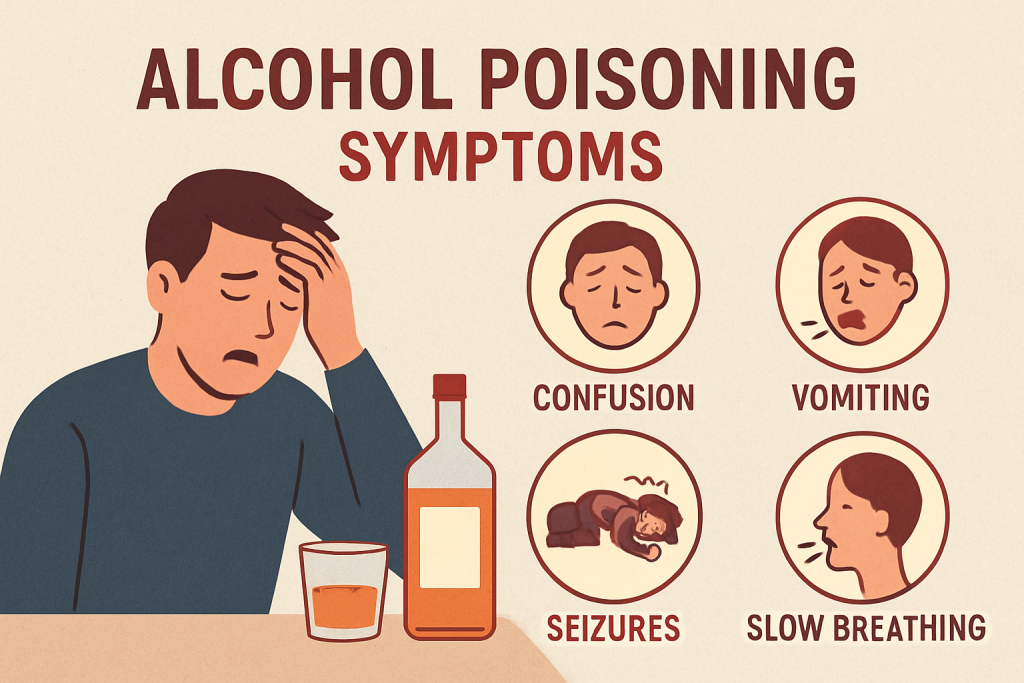
What is Alcohol Poisoning?
Alcohol detox entails the removal of alcohol in your body and the management of the withdrawal symptoms. Frequent alcohol consumption alters the brain chemistry and whenever a person stops, it can lead to over-activation of the nervous system. Anxiety, sweating, and tremors are some of the early symptoms. Delirium tremens (DTs) and seizures can occur as a result of severe withdrawal and in the case of the former, it usually manifests in 72 hours.
Alcohol Detox Timeline: What to Expect
Detox duration depends on individual drinking history and metabolism:
Phase | Timeframe | Common Signs |
Initial | 6–12 hours | Anxiety, mild tremors, headache, sleep disruption |
Peak | 24–72 hours | Sweating, vomiting, elevated heart rate, restlessness |
Recovery | 4–10 days | Fatigue, cravings, irritability, mood changes |
The majority of acute physical symptoms are eliminated in a week, whereas the emotional recovery can take several weeks.
Three Stages of Alcohol Withdrawal
Stage 1: Mild (6-12 hours)
The first withdrawal involves restlessness, mild tremors, and sleep problems. It usually involves feelings of restlessness, mild tremors, and early sleep problems. Many people also experience anxiety or irritability during this period as the body starts adjusting to the absence of alcohol.
Stage 2: Moderate (12-48 hours)
In this stage, usually occurring between twelve and forty-eight hours, the symptoms become stronger and more uncomfortable. They are often worsened by nausea, sweating, noticeable heart palpitations, and in some cases the appearance of mild hallucinations. These changes indicate the body is under increased stress from withdrawal.
Stage 3: Severe (48-72 hours)
During this severe stage, which occurs between forty-eight and seventy-two hours, symptoms may escalate significantly. This phase can include delirium tremens, seizures, fever, or confusion. Because these symptoms can be dangerous, this stage should always be treated as a medical emergency and requires urgent hospital care.
Deland Treatment Solutions
Battling with Drug and Alcohol Addition? Remember, you are not alone and we are here to help you!
Factors Affecting Detox Duration
The timelines of detox are different because of:
- Drinking history: Heavy chronic and long time drinkers tend to detox slower.
- Physical health: It is affected by physical health such as liver, nutrition and chronic diseases.
- Age and metabolism: The younger ones might fling the alcohol more quickly.
- Mental health: depression or anxiety can also co-exist with withdrawal.
- Medications and substance use: The use of other substances may make the detox complicated.
The knowledge of these factors makes it possible to foresee the difficulties of intervention and to organize adequate treatment.
Alcohol Withdrawal Symptoms
The symptoms are mild and severe:
- Shaking, sweating, or nausea
- anxiousness, agitatedness or impatience.
- Insomnia or vivid dreams
- Increased heart rate or high blood pressure.
- Hallucinations with severe cases.
- Seizures among high-risk persons.
Symptom Duration:
- Mild: 1-3 days – These early symptoms usually include shakiness, trouble sleeping, and increased anxiety as the body begins adjusting to the absence of alcohol.
- Moderate: 3-5 days – Symptoms intensify during this period, with heightened nausea, sweating, and stronger mood disturbances that may interfere with daily activities.
- Severe: up to 10 days – In the most serious cases, symptoms can last longer and include risks such as hallucinations or seizures, especially without proper medical supervision. Some individuals may require monitored care during this stage to ensure safety and stability.
Mood swings and fatigue are psychological effects that can be felt weeks after.
100% Confidential Support is Available 24/7
No matter what you’re going through, you’re not alone. Our dedicated team is here to provide a safe, judgment-free space where you can talk openly and honestly. Whether you need emotional support, resources, or just someone to listen.
We’re here for you—completely confidential and always respectful of your privacy. Call us today!
Treatment Options for Alcohol Detox
Alcohol Detox treatment includes:
- Medical Monitoring: Constant vitals and complications monitoring.
- Treatment: Benzodiazepines or other supportive medication minimizes the intensity of withdrawal.
- Nutritional Support: Proper deficiencies of vitamins, particularly B-complex, in order to safeguard neurological health.
- Treatment: CBT and counseling treat craving and emotional precautions.
Holistic Practices: Light exercise, hydration and mindfulness promote mental and physical recovery.

When to Seek Professional Help
Medical aid should be sought in case of:
- Shakes, disorientation, or delusions.
- Increased blood pressure or fever, rapid heartbeat.
- Extreme nervousness or panic attacks.
- Failures to deal with cravings.
Medicated detox is safe, minimizes the complications and enhances the long-term recovery rates.
Alcohol poisoning can have the following effects: confusion, vomiting, slow and irregular breathing, bluish or pale skin, and unconsciousness. It is a life-threatening condition that should not be ignored. You need to be under close supervision in case you or a loved one are showing these symptoms so that you can be safe and so that you will be able to heal.
DeLand Treatment Solutions provides emergency services and counseling at the cases of the do-not-resuscitate related to alcohol. DeLand Treatment Solutions is able to help at (386)866-8689.
Key Takeaways
- Alcohol detox normally requires 3 or 10 days, as per the individual characteristics.
- The withdrawal symptoms occur in a few hours and are greatest in 48-72 hours.
- The condition with severe symptoms like a seizure or delirium tremens requires immediate therapy.
- The weeks of psychological healing may be long and it is due to the fact that there should be ongoing assistance.
- A safer and more efficient way of detoxification is professional supervision.
Medical Disclaimer: This article is for informational purposes only and is not a substitute for professional medical advice.
FAQs
How long does alcohol withdrawal last?
The period of alcohol withdrawal normally takes 3-7 days. The peaks of mild symptoms are during the first 24 hours and severe symptoms (hallucinations or seizure) may be during the 48-72 hours. Depending on the previous drinking habits and other health related factors, emotional impacts such as anxiety or irritability can persist a couple of weeks.
What are common alcohol detox symptoms?
The detox can lead to tremors, sweat, nausea, headache, anxiety, sleeplessness, and increased heart rate. Excessive withdrawal manifests itself in mass hallucinations or convulsions. The presence in a healthcare facility enables observation as a safe and efficient methodology to all the steps, as well as reduces the risks and helps stabilize the physical and mental health during the process of healing.
What are the stages of alcohol withdrawal?
Stage 1 (6-12 hours): Mild tremors, restlessness, and sleeping problems. Stage 2 (12-48 hours): There are moderate symptoms such as nausea, increased heart rate, and hallucinations. Stage 3 (48-72 hours): The patient shows severe symptoms such as delirium tremens, seizures, or confusion and close medical attention is needed to avoid the complications risking life.
Can alcohol withdrawal be dangerous?
Yes, severe withdrawal can cause delirium tremens, seizures, high fever, and Yes, extreme withdrawal may lead to delirium tremens, seizures, high fever and cardiovascular complications. Withdrawal can cause death without professional overseeing. These risks are also lessened greatly through medical care and supportive therapy, so the detox will be safer and long-term health problems will be less likely to occur.
How long does it take for alcohol to leave the body?
The disappearance of one average drink is supposed to take place in 1-2 hours but the full process of detox takes more time since the brain and other body organs are reequilibrated. Although the alcohol no longer appears in blood or urine tests, it takes many days to make a chronic drinker physiologically and psychologically stable after stopping to consume alcohol.
What supports alcohol withdrawal recovery?
The care of supporting includes medication, hydration, nutrition, therapy and expert surveillance. The detox centers offer twenty four hours supervision, counseling on how to cope with the cravings and emotionally stabilizing tools. To maintain physical or psychological well-being in the withdrawal and even subsequent, it is beneficial to combine therapy and holistic encouragement.
Is at-home alcohol detox safe?
Home detox may be dangerous and particularly in heavy drinkers. Withdrawal without supervision can cause seizures, dizziness or dehydration. Medical detox treatments offer supervision, drugs, and emotional care, lowering the risks and enhancing the probability of a successful and safe healing process.
When should I seek medical help for alcohol withdrawal?
Seek instant treatment in case of tremors, hallucinations, confusion, rapid heartbeat and fever during withdrawal. Professional intervention in the early stages helps to avoid complications, makes the detox safe, and helps to make the recovery process successful under the medical guidance.