Quitting addiction does not cease with treatment. Actually, the post-rehab period is where people usually require the most organization and mentorship as well as societal assistance. That is why aftercare and support groups in Central Florida contribute to this so vital role in assisting individuals to remain sober and regain a healthy and gratifying life. At DeLand Treatment Solutions, we are of the view that recovery is a long process, and a proper support system provided can give a significant change.
With or without detox or inpatient or outpatient care, the support goes on to minimize the threat of relapse and motivates the person in coping with daily difficulties. Aftercare Support Groups Aftercare in Central Florida provides peer support groups, structured programs, and professional guidance to support individuals in remaining connected, becoming responsible, and motivated in their progress towards their recovery.
Aftercare Programs and Support Groups
Well-defined care is the transition between the formal care and residence in an autonomous setting. After an individual goes out of a recovery program, they are likely to encounter life triggers, life stresses and lifestyle changes. Aftercare, particularly the support groups provided in Central Florida, is invaluable in this case.
Aftercare facilitates continuous guidance, therapy, and peer support assistance to enable an individual to continue with the progress he/she was making in the treatment. These programs can incorporate routine counseling programs, group therapy sessions, recovery coaching or sober living programs.
The support groups, however, are concerned with shared experience and association with a peer. Members get together to discuss freely the struggles of recovery, success, and coping mechanisms. Such meetings form a solid and secure setting where many of these people feel secure and not judged by each other.
All these resources make a robust series of recovery networks promoting accountability, emotional help, and sustainable stability.
What is Addiction Aftercare?
Addiction aftercare is the continuing services and care offered as one continues attending an official addiction treatment program. The mission is not that complicated: to assist people to stay sober and keep on living their healthier lifestyles and habits
Aftercare and support groups in Central Florida are of high use to many people since recovery should be more than substance avoidance. It also encompasses enhancing mental health, restoring relationships, coping, and learning more healthy coping skills.
Aftercare may be in several forms, such as:
- Individual counseling
- Group therapy
- Alumni programs
- Recovery coaching
- Medication management
- Sober living homes
These services offer control and responsibility but leave the individuals to resume slowly to their daily responsibilities and life practices.
100% Confidential Support is Available 24/7
No matter what you’re going through, you’re not alone. Our dedicated team is here to provide a safe, judgment-free space where you can talk openly and honestly. Whether you need emotional support, resources, or just someone to listen.
We’re here for you—completely confidential and always respectful of your privacy. Call us today!
Types of Aftercare Programs to Consider
The process of recovery does not always have a similar appearance. Any effective aftercare plan will rely on the history of addiction, mental health services, objectives, and lifestyle of an individual.
A combination of professional treatment and peer support is helpful to many people who visit the Aftercare and Support Groups in Central Florida.
Examples of standard aftercare are:
Outpatient Therapy
Counseling sessions can be conducted weekly or biweekly to assist one to go through feelings of depression, trauma, or triggers that occur following treatment.
Sober Living Homes
These regulated, drug-free settings are something that can offer a harmless period to live as people re-enter into independent life.
Alumni Programs
A large number of treatment facilities provide alumni groups whereby graduates of the program hold meetings, recovery and mentorship.
Recovery Coaching
Recovery coach offers personalized help that assists individuals to establish targets, stay accountable and overcome obstacles in initial recovery.
Both options would give a variation in the degree of structure and a person would be in a position to select the type of support that suits their needs.
Deland Treatment Solutions
Battling with Drug and Alcohol Addition? Remember, you are not alone and we are here to help you!
Types of Addiction Support Groups
One of the most useful and easily available tools in addiction recovery is the support groups. They provide peer support, companionship and motivation to help the person realize that he is not alone in this struggle towards sobriety.
Individuals who need the services of the Aftercare & Support Groups in Central Florida will have numerous choices to assist in various ways of recovery.
Typical support group supportive models are:
- Peer-led recovery meetings
- Therapist-led group therapy
- Faith-based recovery groups
- Family support groups
- Alumni recovery programs.
The community aspect is one of the largest gifts of support groups. Listening to others that have gone through the same experience may help minimize the sense of isolation and give hope in times of need.
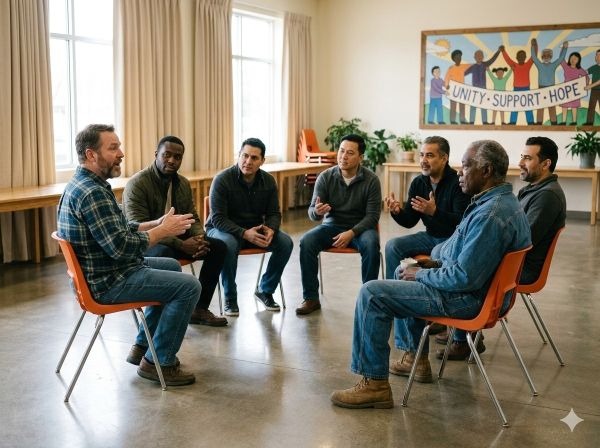
12-Step Program Options for Drug & Alcohol Addiction Recovery
The 12-step model has assisted people in overcoming addiction over the decades. The focal points in these programs include personal responsibility, self-reflection, spiritual development and peer support.
The reason is that in Central Florida, many Aftercare & Support Groups have 12-step meetings since they are so accessible to most people and free of charge.
12-step programs’ examples are:
- Alcoholics Anonymous (AA)
- Narcotics Anonymous (NA)
- Cocaine Anonymous (CA)
- Al-Anon for families
The participants usually hold frequent meetings, undergo the 12 steps under the guidance of a sponsor and support others who are also striving towards recovery.
To most individuals, such programs have offered long-term stability together with a robust recovery community.
Seeking help from DeLand Treatment Solutions provides essential guidance
Non-12-Step Recovery Group Options
As efficient as 12-step programs are, they are not the only way of recovery. Some individuals will want to adopt different techniques which pay more attention to behavior science, self-empowerment or mindfulness.
This is why most non-12-step recovery groups at Central Florida are also considered Aftercare and support groups.
Examples include:
SMART Recovery
Concentrates on self-control and cognitive behavioral processes, which can be used to make people alter the negative behavior patterns of thoughts.
LifeRing Secular Recovery
Promotes self-help and social affiliation, but does not have a spiritual element.
Refuge Recovery
Employs mindfulness and Buddhist-related values to help in healing and self-knowledge.
Celebrate Recovery
Recovery program based on Christian values, in which faith and spiritual development are incorporated into the healing process.
The presence of several recovery directions means that a person will be able to find a situational support group that meets his/her values and personal convictions.
Creating an Aftercare Plan
One of the best means to be sober post-treatment is a personalized aftercare plan.
The combination of therapy, healthy routines, and support groups in Central Florida is a good approach, dealt with by professionals, to develop a balanced recovery plan.
A successful post-discharge scheme can involve:
- An individual therapy/counseling session every week.
- Meetings of the support groups.
- Exercise for physical wellness.
- Practices of stress management.
- Career or education goals
- Recovery of family relationships.
When people are structured, accountable and consistently have emotional support, recovery is most likely to be sustainable.
Relapse Prevention and Aftercare
The relapse does not come immediately. It is acquired over time in most instances due to emotional stress, unresolved precipitating factors, inadequate coping abilities or lack of support.
That is why in Central Florida, Aftercare & Support Groups are so significant in the relapse prevention.
The initiatives assist people:
- Identify the danger signs of relapse.
- Acquire better coping mechanisms.
- Establish constructive relationships.
- Remain responsible to recovery aimed targets.
- Be motivated in times of trouble.
The relapse prevention techniques, which include identification of triggers, emotional management, stress management, and mindfulness techniques, are also taught by many aftercare programs.
The support system should be put in place since then; an individual has a better chance of overcoming the difficulties in life without relapsing into substance use.
DeLand Treatment Solutions Offers Aftercare Support in Florida
We know that recovery is a long-term practice which needs ongoing affiliation at DeLand Treatment Solutions. That is why we promote involvement of clients by having guided after-care services and Aftercare and Support Groups within Central Florida.
Our staff helps every person to create an individualized recovery plan consisting of therapy, community resources, and follow-ups. Sobriety is just a part of the goal, but also developing a healthier and more purposeful life.
The process of recovery is not quick and having trusted professionals and supportive peers may help one make the way less difficult and sustainable.
Start Building Your Long-Term Recovery Today
DeLand Treatment Solutions provides support in case you or your loved one is completing treatment and need constant assistance. We have the ability to refer you to the trusted Aftercare and Support Groups in Central Florida, which means that every time you run out of people to talk with during the process of recovery, you can count on our team.
Call DeLand Treatment Solutions in order to get information concerning our aftercare and recovery resources. The appropriate supportive system will be a way to a healthier future.
Finding Addiction & Mental Health Support Groups
It might be a long process until you find a support group, which can be highly rewarding. An enabling community of recovery can show support, responsibility, and compassion.
Most people have found that the Aftercare & Support Groups in Central Florida provide mental health services and addiction recovery services. This has especially been necessary due to the fact that most individuals are co-occurring with one of the ailments like anxiety, depression, or trauma.
Some methods of locating local support groups are:
- Requesting the treatment providers to make recommendations.
- Browsing the internet recovery directories.
- Going to health centers in the community.
- Networking with local recovery organizations.
In selecting a group, criteria like group culture, rate of comfort, and meeting form and place are factors to be put into consideration.
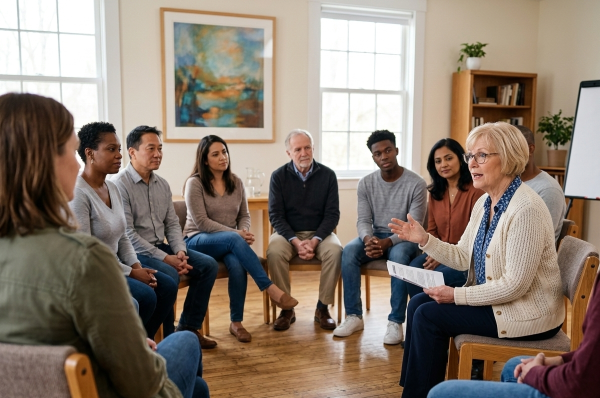
Staying Connected to Recovery
Connection is the producer of long-term recovery. Relationships within the recovery community may be maintained, whether with their peers or via the therapy, peer-meeting or alumni, to ensure that the individuals are motivated and supported.
That is why Aftercare & Support Groups in Central Florida continue being an essential element of life after rehab. They are supportive in trying situations and even congratulate themselves on the milestones toward recovery.
Recovery does not necessarily call for being a solitary process. Given the proper support system, individuals can develop worthwhile relationships and regain purpose and develop a stable future without addiction.
Continue Your Recovery Journey with Support
It can be done again and you do not have to go through it alone. DeLand Treatment Solutions can assist you in reaching reputable Aftercare and Support Groups within central Florida and creating a program that would lead to permanent sobriety.
Call us and we will find out how aftercare assistance could build your recovery and make you carry on in courage.
To explore options for supervised support, contact DeLand Treatment Solutions
Disclaimer
This content is intended for informational and educational purposes only and should not be considered medical or mental health advice. Individuals experiencing substance use disorders or mental health concerns should seek guidance from qualified healthcare professionals or licensed addiction specialists.
Sources
- National Institute on Drug Abuse (NIDA) — Principles of Drug Addiction Treatment
- National Institute on Alcohol Abuse
- Alcoholism (NIAAA)American Society of Addiction Medicine (ASAM)
FAQ: Aftercare & Support Groups in Central Florida
What are the 3 C’s of recovery?
The three C’s of recovery often refer to Commitment, Change, and Community. Individuals must commit to sobriety, make meaningful lifestyle changes, and build a supportive community. These elements help maintain motivation, reduce relapse risk, and create a stable foundation for long-term recovery.
What is an aftercare group?
An aftercare group is a recovery support meeting designed for individuals who have completed addiction treatment. These groups provide continued guidance, peer support, accountability, and relapse prevention strategies while helping members transition from structured treatment back into everyday life.
What are recovery and support groups?
Recovery and support groups are peer-based gatherings where individuals share experiences, challenges, and strategies for maintaining sobriety. These groups create a safe environment for encouragement, accountability, and emotional support, helping members stay motivated and connected throughout the recovery process.
What is an example of a support group?
Alcoholics Anonymous (AA) is one of the most well-known support groups. Members meet regularly to discuss recovery experiences, follow a structured program, and support one another in maintaining sobriety through shared accountability and encouragement.
What is the 3 month rule in mental health?
The three-month rule often refers to giving major emotional or lifestyle changes time before making significant decisions. In recovery and mental health, it allows individuals to stabilize emotionally and adjust to new routines before evaluating progress or making major life changes.