Key Takeaways
- PTSD can last for months, years, or longer, depending on the individual and the severity of trauma.
- Early treatment often improves recovery outcomes.
- PTSD symptoms may appear soon after trauma or even months or years later.
- Therapy, medication, and supportive environments help people manage symptoms.
- Professional treatment programs like those at DeLand Treatment Solutions can support long-term recovery.
Trauma may bring emotional impacts that are not easy to get but persist even after the traumatic incident. One of the questions that comes up often by many people who are struggling with trauma is the following: How Long Does Post-Traumatic Stress Disorder Last? The response to this is not universal. Symptoms also reduce in some individuals in a matter of months and in other cases may take years without the right support. Knowledge of How Long Does Post-traumatic Stress Disorder Last? would make the individuals understand when they need professional assistance and how it is possible to get themselves back on track with the correct care and treatment.
Post-Traumatic Stress Disorder (PTSD) is a psychological disorder that may occur when one goes through or suddenly sees a traumatizing experience like a violent episode, accidents, natural calamities or warfare. PTSD influences the way an individual thinks, experiences, and responds to normal occurrences. Being informed about the length of it, the symptoms, and the methods of treatment may assist people in making positive steps toward recovery.
What is Post-Traumatic Stress Disorder (PTSD)
Post-Traumatic Stress Disorder is a psychological condition that is caused by the ability to witness or encounter a traumatic event. Assault, accidents, war, arising natural calamities, or abrupt loss can cause PTSD. Contrary to the situation when many people form stress following trauma, PTSD occurs when the brain continues responding to the danger even though it is no longer there.
The question people tend to ask is How Long Does Post-Traumatic Stress Disorder Last? as the symptoms may differ greatly. Other people can heal after several months and some are never able to get out of some chronic symptoms, necessitating professional guidance. Trauma may influence the processing of memories, feelings and stress reactions by the brain and that is why the symptoms of post-traumatic stress disorder may seem overwhelming and uncontrollable.
Lack of treatment may disrupt relationships and work performance, as well as the quality of life with PTSD. Nevertheless, under proper care and consideration, a lot of people get much better, and they feel a sense of stability restored.
100% Confidential Support is Available 24/7
No matter what you’re going through, you’re not alone. Our dedicated team is here to provide a safe, judgment-free space where you can talk openly and honestly. Whether you need emotional support, resources, or just someone to listen.
We’re here for you—completely confidential and always respectful of your privacy. Call us today!
Types of PTSD
Psychiatrists have come to the understanding that PTSD can have various manifestations depending on the character and the length of the trauma.
Acute PTSD
Acute PTSD occurs soon after a traumatic event and usually does not take more than three months. Therapeutic intervention at an early stage at this stage can go a long way in enhancing recovery.
Chronic PTSD
Chronic PTSD comes as a result of the symptoms and when such symptoms last more than three months. Symptoms could also persist over years and have a substantial effect on normal functioning without appropriate treatment.
Delayed-Onset PTSD
Symptoms do not come up in certain instances until after many months or even years after the traumatic experience. This late reaction may cause the individual to have trouble relating his symptoms with the original trauma.
Complex PTSD
Complex PTSD can be developed as a result of the repeated or chronic trauma e.g. trauma caused in childhood through praise or beatings of the child, domestic violence or chronic exposure to risky conditions. This type of PTSD can be associated with emotional control, relationships, self-perception, and persistent distress.
The knowledge of such types can provide answers to How Long Does Post-Traumatic Stress Disorder Last as the time may vary according to the nature of the trauma, its frequency, and the severity.
Seeking help from DeLand Treatment Solutions provides essential guidance
Deland Treatment Solutions
Battling with Drug and Alcohol Addition? Remember, you are not alone and we are here to help you!
Living with PTSD
Life with PTSD may be difficult since the mind and the body might be responding as though the traumatic incident is occurring. Patients can have intrusive memories, emotional distress, or great responses to stimuli that cause associations to the trauma.
When the symptoms include disturbance of sleep, difficulty in emotional regulation and concentration, everyday life may become challenging. Others isolate themselves, whereas others experience anxiety, anger, or constant fear. Personal goals, relationships, and work duties can be more difficult to control as well.
When individuals ask themselves the question, How Long Does Post-Traumatic Stress Disorder
Last? The ability to answer will often be based on whether treatment and emotional support is provided. Therapy, healthy coping, and supportive yet healing environments are things that many people use to relieve themselves and recover.
Start Your Recovery Journey Today
When you and/or a loved one is grappling with symptoms related to trauma, professional help can have a positive difference. DeLand Treatment Solutions provides evidence-based treatment and careful care to assist people in addressing the issue of PTSD and leading their life again.
It can be cured today; call us to find out how we treat you on the road to recovery.
Signs of Post-Traumatic Stress Disorder
The symptoms of PTSD, as a rule, manifest themselves after a traumatic experience and can have both significant and insignificant manifestations. The timely identification of these signs can enable the respective people to pursue the right care.
Common signs include:
- Disturbing memories of the traumatic experience.
- It is necessary to avoid locations, individuals, or circumstances that cause recollections.
- Numbness or deprivation of emotion.
- Always under stress or on high alert.
- Problems in sleeping or attention.
- Social phobia due to psychological responses to trauma reminders.
Such signs can also be developed within a few weeks of encountering trauma or they can be months later. In order to know How Long Does Post-Traumatic Stress Disorder Last. it is usually important that the development of these early signs of warning is noted to change with time.
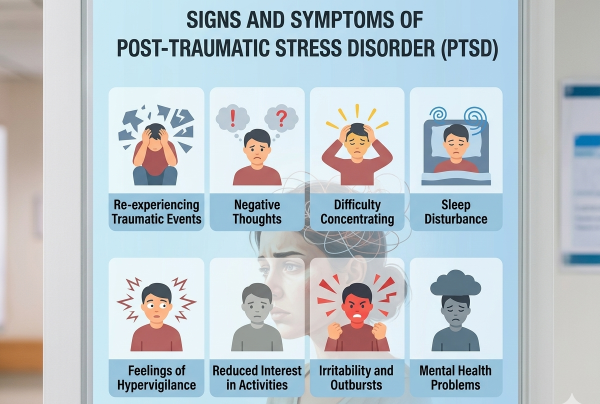
Symptoms of Post-Traumatic Stress Disorder
Generally, there are four broad categories of PTSD symptoms. These groups allow the clinicians to assess and diagnose the condition.
Intrusive Memories
People can have flashbacks and nightmares or painful memories that seem very clear and emotionally intimidating.
Avoidance
Individuals who experience PTSD tend to avoid things, persons, places, or even discussions that cause them to remember the traumatizing experience.
Negative somatic alterations in Mood and Thinking
There may arise persistent negative emotions of guilt, shame, fear or hopelessness. People can also have memory difficulties or they can lose interest in the activity they previously liked.
Alterations of Physical and Emotional Actions
The most prevalent ones are irritability, insomnia, increased startle reflexes, anxiety, and concentration disorders.
PTSD can be diagnosed when these symptoms last more than one month and disrupt the normal functioning of the body. It is one of the reasons why many people pose questions. How Long Does Post-Traumatic Stress Disorder Last? because the disorder may take very long, very short, or sometimes it is quite hard to tell how long it should last under the influence of treatment, support, and other factors.
Take the First Step Toward Healing
You should not make trauma a part of your future. When you or a loved one are battling the symptoms of PTSD, DeLand Treatment Solutions offers personalized and compassionate treatment programs that can help the sufferer live a long life.
Learn and change with DeLand Treatment Solutions when you call it, please.
To explore options for supervised support, contact DeLand Treatment Solutions
Disclaimer
This content is for informational and educational purposes only and should not be considered a substitute for professional medical or mental health advice, diagnosis, or treatment. Individuals experiencing symptoms of PTSD or other mental health concerns should seek guidance from a qualified healthcare professional.
Frequently Asked Questions (FAQs)
Does PTSD ever go away?
Yes, PTSD can improve or even resolve over time with proper treatment and support. Therapy, coping strategies, and professional guidance help individuals process trauma and manage symptoms, allowing many people to regain emotional balance and improve their overall quality of life.
How to get rid of PTSD anxiety?
Managing PTSD anxiety often involves therapy, stress-management techniques, and healthy coping strategies. Trauma-focused therapy helps individuals process traumatic memories, while relaxation exercises, mindfulness, and support systems can reduce anxiety and improve emotional stability over time.
How hard is it to live with PTSD?
Living with PTSD can be challenging because symptoms like flashbacks, anxiety, and sleep disturbances may interfere with daily life. However, with professional treatment, supportive relationships, and coping strategies, many people learn to manage symptoms and lead fulfilling lives.
How to help someone suffering from PTSD?
Supporting someone with PTSD involves listening without judgment, encouraging professional help, and offering patience and understanding. Avoid pressuring them to talk about their trauma and instead create a safe, supportive environment that promotes trust and emotional healing.
Is PTSD a serious mental illness?
Yes, PTSD is considered a serious mental health condition because it affects emotional well-being, behavior, and daily functioning. However, with proper diagnosis, therapy, and support, many individuals successfully manage symptoms and work toward long-term recovery.