If you have experienced anxiety, depression, burnout, or another mental health disorder, you might ask yourself this question: “Does FMLA cover mental health?” Fortunately, in many instances, the answer is yes! To accommodate certain types of mental health conditions, the Family and Medical Leave Act (FMLA) provides unpaid and job-protected leave for eligible employees with a serious health condition. Knowing about mental health and FMLA coverage can help you maintain your position and receive treatment and care.
We know here at DeLand Treatment Solutions that mental health issues have the potential to impact all aspects of life. It takes strength to seek treatment, and knowing your rights at work can be the key to a less stressful recovery.
Key Takeaways
- Is FMLA applicable to mental health? Yes, to the extent that your mental health condition is covered as a serious health condition under the FMLA.
- Up to 12 weeks of unpaid, job-protected leave can be taken in 12 months if you qualify.
- Symptoms of anxiety, depression, post-traumatic stress disorder, bipolar disorders, and other conditions that may qualify may be covered.
- May take leave on a continuous or intermittent basis as medically necessary.
- Generally, you have to be certified as a qualified health care provider.
- FMLA is so that eligible employees do not lose their jobs during treatment.
- Dual diagnosis treatment and compassionate mental health treatment is available at DeLand Treatment Solutions to aid in an individual’s recovery.
Does FMLA Cover Mental Health?
The simple answer is yes.
One of the most common questions is whether FMLA protects mental illness, which implies that people do not consider mental illnesses and physical illnesses to be identical. The U.S. Department of Labor also states that FMLA can apply to these types of mental health conditions, as long as they are listed as a serious health condition.
One of the most serious mental health disorders usually includes:
- Inpatient care
- Continual care from a health care provider
- Work restrictions that make it impossible for you to do requisite work tasks
- Episodes requiring continuing medical treatment
Examples include:
- Major depressive disorder
- Generalized anxiety disorder
- Post-traumatic stress disorder (PTSD)
- Bipolar disorder
- Obsessive-compulsive disorder (OCD)
- Severe panic disorder
- Schizophrenia
Not all stressful days count. If symptoms, however, have a significant impact on your ability to function or work, then the protections under FMLA may apply.
Does FMLA Cover Mental Health Leave?
Yes. Is FMLA used for a mental health leave? Many jobs also allow people to leave the workplace to get treated, recuperate, or to manage symptoms.
Mental health leave can be considered for:
- Inpatient psychiatric treatment
- Partial hospitalization (PHP)
- IOP stands for intensive outpatient program.
- Intensive Outpatient Programs (IOP)
- Therapy appointments
- Medication management
- Recovery after hospitalization
- Treatment of other severe anxiety or depression conditions
Leave may be:
- Continuous (several weeks)
- Occasional (some days and/or hours)
- Reduced work schedule
- The medical necessity is determined by your health care provider.
Does FMLA Cover Mental Health Conditions?
Many people would want to know what diagnoses qualify.
When asked, “Does FMLA cover mental health issues?” the answer has less to do with the diagnosis and more to do with the level of severity and how the condition impacts day-to-day functioning.
Items to consider for inclusion are:
- Clinical depression
- Anxiety disorders
- PTSD
- Bipolar disorder
- Eating disorders
- Severe OCD
- Schizoaffective disorder
- Substance use disorders and specifically addiction treatment
- Dual diagnosis conditions
Typically, stress that is temporary and for which medical treatment is not sought is not covered by FMLA.
Struggling with mental health at work? Learn how FMLA protects your job while you receive evidence-based care. Call DeLand Treatment Solutions today for a confidential consultation.
Does FMLA Cover Mental Health Crises?
Yes, under certain conditions set forth by FMLA.
A mental health crisis could include:
- Thoughts about death and suicide pressing upon the need for hospitalization.
- Severe panic attacks
- Psychotic episodes
- Major depressive episodes; acute PTSD symptoms
- A more extreme form of emotional distress with the need for urgent medical intervention.
These situations often require inpatient or intensive treatment, which makes them more likely to be considered “serious health conditions.”
While emergency treatment is not a guarantee of FMLA eligibility, many of the mental health crises do qualify for FMLA benefits with proper medical note-taking.
Does FMLA Cover Mental Health Days?
One of the most frequently asked questions among employees is this.
Are mental health days FMLA?
It depends.
Generally, one day for “mental health” for just “being overwhelmed” is not covered by FMLA.
But someone with a serious mental illness may take intermittent leave when symptoms worsen and have a documented illness as a basis for missing work.
Examples include:
- Severe panic attacks
- PTSD episodes
- Medication side effects
- Therapy appointments
- Work-functioning impairment with depression symptomatology.
- The paperwork of the health care provider is vital.
Does FMLA Cover Mental Health Conditions Requiring Ongoing Treatment?
Absolutely.
When continued care is medically required, individuals sometimes qualify for care.
Examples include:
- Weekly psychotherapy
- Psychiatric medication management
- Intensive outpatient treatment
- Partial hospitalization
The term “residential mental health treatment” (RMHT) describes facilities that provide mental health care.
Postpsychiatric hospital follow-up
The purpose of FMLA is to allow workers to concentrate on their health care without the risk of losing their job.
Does FMLA Cover Mental Breakdowns?
Often people ask, “Does emotional breakdown count?”
The answer to Does FMLA cover mental breakdowns? is dependent on medical assessment.
Mental breakdown isn’t a real medical term. Rather, a health care professional considers the condition responsible for the symptoms.
Examples include:
- Major depression
- Severe anxiety
- PTSD
- Bipolar disorder
- Acute stress reactions
FMLA leave might apply if the underlying disease or ailment is a serious health condition that needs treatment.
You don’t have to choose between your career and your mental health. Contact DeLand Treatment Solutions to verify your treatment options and FMLA eligibility support.
Understanding Eligibility for Mental Health FMLA Leave
You would need to meet FMLA eligibility requirements even if your medical condition is qualifying.
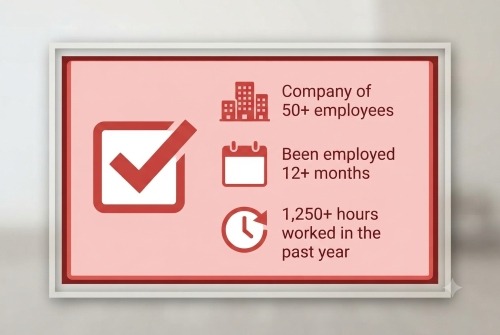
Generally, you must:
- Work for a firm that has an agreement with the Department of Labor.
- Have an employer-employee relationship of at least 12 months’ duration in your employment
- Have accumulated 1250 hours or more in the last 12 months
- Work in a workplace with 50 or more employees within 75 miles of the workplace
- Your healthcare provider might need to provide medical certification for your employer.
With proper documentation, delays in approvals can be avoided. - Alterations in your life can be made with mental health treatment.
Mental Health Treatment Can Improve Your Life
There are many components of leave, and it is only a portion of recovery.
Treatment by a professional can involve:
- Individual therapy
- Family counseling
- Group therapy
- Psychiatric evaluation
- Medication management
- Trauma-informed therapy
- Cognitive Behavioral Therapy (CBT).
- Dialectical Behavior Therapy (DBT)
Treatment can help the body more quickly overcome the problem, prevent symptoms from getting worse and improve the long-term picture.
Why Seeking Help Early Matters
People often put off getting help due to stigma around work or losing their job.
The truth is that without proper treatment, mental health problems can impact:
- Job performance
- Relationships
- Physical health
- Sleep
- Concentration
- Emotional well-being
- How things are overall in life
FMLA answers the question Does FMLA cover mental health? and empowers employees to go after treatment prior to it being unmanageable.
Get Recovery Started with DeLand Treatment Solutions
Mental health issues can be treated, and with the right support, recovery is possible.
DeLand Treatment Solutions achieves caring, evidence-based mental health treatment within a safe, supportive environment by our caring professionals. We can help you take the next step towards healing from anxiety and depression, trauma or other mental health disorders.
Call DeLand Treatment Solutions now to make a no-cost, confidential evaluation, during which a personalized treatment program can be discussed to help you recover. You deserve a caring touch, hope, and a better future for you and your health.
Frequently Asked Questions
Do anxiety and depression qualify for FMLA?
Yes. Anxiety and depression may qualify for FMLA if they are serious health conditions requiring ongoing treatment or causing periods when you cannot perform your essential job duties. Medical certification from a qualified healthcare provider is typically required.
Can a therapist write you out for FMLA?
A licensed healthcare provider who is authorized under FMLA regulations may complete certification if they are treating your condition. Eligibility depends on federal regulations and your provider’s credentials, as well as employer documentation requirements.
How hard is it to get FMLA for mental health?
It is generally straightforward if you meet eligibility requirements, have a qualifying serious mental health condition, and submit complete medical certification supporting the need for leave. Accurate documentation helps make the approval process smoother.
How to tell your boss you need FMLA for mental health?
Share that you have a medical condition requiring leave under the FMLA. You do not need to disclose every diagnosis. Your employer may request certification, but your medical information remains confidential.
How to prove anxiety for FMLA?
A healthcare provider documents your diagnosis, treatment plan, functional limitations, and medical necessity for leave. Medical records and certification forms help establish eligibility for FMLA protection.
What is the 3-month rule in mental health?
There is no official FMLA “3-month rule” specific to mental health. People often confuse different employment policies with FMLA requirements. Eligibility is based on federal FMLA rules, not a separate mental health timeline.
What disqualifies you from FMLA?
You may not qualify if your employer is not covered, you have not worked long enough, have insufficient hours worked, or your condition does not meet the legal definition of a serious health condition.
How to use FMLA for burnout?
Burnout alone is not automatically covered. However, if burnout contributes to a diagnosed mental health condition such as anxiety or depression requiring treatment, you may qualify for FMLA with appropriate medical documentation.
Can a doctor refuse to fill out FMLA paperwork?
Yes. A healthcare provider may decline if they believe medical evidence does not support FMLA leave or if they are not the appropriate provider to complete the certification. Discuss your concerns openly with your treating clinician.
Disclaimer
This article is provided for educational purposes only and should not be considered legal, medical, or employment advice. FMLA eligibility depends on your individual circumstances, employer policies, and applicable federal law. Always consult your healthcare provider, human resources department, or an employment attorney regarding your specific situation. If you are experiencing a mental health crisis or having thoughts of self-harm, seek immediate emergency care or contact your local emergency services.
References
- U.S. Department of Labor. Family and Medical Leave Act (FMLA): Mental Health Conditions. https://www.dol.gov/agencies/whd/fmla/mental-health
- American Addiction Centers. Using FMLA for Mental Health. https://americanaddictioncenters.org/blog/using-fmla-for-mental-health
- National Institute of Mental Health (NIMH). https://www.nimh.nih.gov
- Substance Abuse and Mental Health Services Administration (SAMHSA). https://www.samhsa.gov