Dual diagnosis anxiety rehab in DeLand, FL, works to treat both an anxiety disorder and a substance abuse disorder concurrently under one unified program. There are local and regional options such as DeLand Treatment Solutions, SMA Healthcare, The Recovery Village Umatilla, Beachway Therapy Center, and Destination Hope.
Dual diagnosis is when someone has both a mental health problem, like anxiety, and a drug or alcohol use disorder. The two frequently fuel one another, so if both are treated, it’s not likely to last a long time. Dual diagnosis treatment involves therapy, medication management, and relapse prevention and usually is a residential or outpatient program to treat both at the same time.
Perhaps drinking began as a strategy for clearing thoughts before sleeping. Perhaps a couple of pills made social life seem manageable. A relief like that can be appropriate, and that’s where it becomes a trap.
When anxiety and substance use are intertwined, for you or someone you love, it isn’t a personal problem. It is a well-known medical condition that can be treated.
What Is Dual Diagnosis With Anxiety?
Dual diagnosis with anxiety means someone has an anxiety disorder, such as generalized anxiety, panic disorder, social anxiety, or PTSD, plus a substance use disorder. Each condition worsens the other. Substances may briefly calm anxiety, but withdrawal and rebound effects usually make it stronger, which drives more use.
Data Point | What Research Shows | Source |
U.S. adults with an anxiety disorder in the past year | About 19.1% | NIMH |
People with a mental illness who develop a substance use disorder | About half, and vice versa | NIDA, 2024 |
U.S. adults with a current ADHD diagnosis | 6.0%, about 15.5 million | CDC, 2024 |
NIDA insight: About half of people who experience a mental illness will also experience a substance use disorder at some point in their lives, and the reverse is also true. (National Institute on Drug Abuse, Co-Occurring Disorders, 2024)
Dual Diagnosis Anxiety Rehabs In and Near DeLand
Five dual diagnosis treatment centers in Florida worth comparing are DeLand Treatment Solutions, SMA Healthcare, The Recovery Village Umatilla, Beachway Therapy Center, and Destination Hope. Two sit right in DeLand, while the others serve people willing to travel within Florida for a specific setting or level of care.
Center | Location | Levels of Care | Notable Focus |
DeLand Treatment Solutions | DeLand | Residential, step-down to PHP | Integrated co-occurring care, ACT, GeneSight testing |
SMA Healthcare | DeLand | Outpatient, men’s residential, MAT | Nonprofit, sliding-scale fees |
The Recovery Village Umatilla | Lake County | Detox, inpatient, PHP | Inpatient mental health care |
Beachway Therapy Center | West Palm Beach | Detox, inpatient, outpatient | Dedicated anxiety program |
Destination Hope | Fort Lauderdale | Co-occurring care, mental health IOP | Long-running mental health IOP |
1. DeLand Treatment Solutions
Located at 1200 W. New York Avenue, DeLand Treatment Solutions offers a structured residential stay of about 30 days focused on co-occurring mental health and substance use. Anxiety care combines medication management, GeneSight testing, and acceptance and commitment therapy, with a step-down to partial hospitalization afterward.
2. SMA Healthcare
This nonprofit behavioral health system operates a DeLand campus on North Stone Street. Services include outpatient mental health and substance use counseling, psychiatric medication management, medication-assisted treatment, and a men’s residential program, with Medicaid and sliding-scale options.
3. The Recovery Village Umatilla
Located west of DeLand in Lake County, this campus provides medical detox, inpatient rehab, partial hospitalization, and inpatient mental health care for adults with co-occurring conditions.
4. Beachway Therapy Center
Based in West Palm Beach, Beachway offers detox, inpatient, and outpatient care with a co-occurring disorders focus and a specialized program for anxiety alongside addiction.
5. Destination Hope
This Fort Lauderdale center focuses on co-occurring substance use and mental health disorders and has run an intensive outpatient program for mental health for more than a decade.
Programs and insurance networks change, so confirm details directly with any center.
Why Do Anxiety and Addiction Feed Each Other?
Anxiety and addiction feed each other through a relief-and-rebound cycle. Alcohol, benzodiazepines, or cannabis may calm nerves briefly, but withdrawal brings rebound anxiety. Stimulants can trigger panic. Over time, the brain relies on the substance for calm, while untreated anxiety keeps pushing a person back toward it.
Substance | Short-Term Effect | Longer-Term Effect on Anxiety |
Alcohol | Temporary calm | Rebound anxiety, poor sleep, panic |
Benzodiazepines | Rapid relief | Tolerance, dependence, severe withdrawal anxiety |
Cannabis | Relaxation for some | Can worsen anxiety or paranoia in others |
Stimulants | Energy, focus | Restlessness, panic, insomnia |
What About Dual Diagnosis ADHD and Anxiety?
Having ADHD and anxiety together is common, and adding substance use makes care more complex. ADHD can drive impulsive use and restlessness, while anxiety adds constant worry. Treatment needs careful diagnosis, since stimulant medications can be misused. It also needs a plan that addresses focus, mood, and substance use together.
According to a 2024 CDC report, about 15.5 million U.S. adults have a current ADHD diagnosis, and roughly half were diagnosed in adulthood. Many adults only discover their ADHD after years of self-medicating.
CDC insight: About one in 16 U.S. adults has a current ADHD diagnosis, and roughly half received that diagnosis at age 18 or older. (CDC, Morbidity and Mortality Weekly Report, 2024)
Fact: About half of people with mental illness also experience substance use disorder.
Struggling to break the cycle of anxiety and substance use? Call DeLand Treatment Solutions today for a confidential evaluation and learn how integrated dual-diagnosis care can help.
What Is the Best Treatment for Dual Diagnosis?
The best treatment for dual diagnosis is integrated care, where one team treats the mental health condition and substance use at the same time. For anxiety, that usually means therapy such as CBT, ACT, or DBT, careful medication management, relapse prevention, and family involvement. Sequential or separate treatment tends to leave gaps.
Effective dual diagnosis treatment often includes:
- A thorough assessment that separates true anxiety disorders from withdrawal symptoms.
- Cognitive behavioral therapy to challenge anxious thoughts and triggers for use.
- Acceptance and commitment therapy to build tolerance for discomfort without substances.
- Medication management that favors non-addictive options when possible.
- Relapse prevention tied to specific anxiety triggers.
- Family therapy so loved ones understand both conditions.
NIMH guidance: Anxiety disorders are generally treated with psychotherapy, medication, or both, and people should work with a provider to choose the best option. (National Institute of Mental Health, Anxiety Disorders)
Expert Advice: Share any drinking or drug use before starting a new anxiety medication.
Do You Need Residential Dual Diagnosis Treatment?
Residential co-occurring care fits people whose anxiety and substance use make daily life unsafe or unmanageable. It also fits people who have relapsed after outpatient care or who live in a stressful or triggering home. Outpatient care may fit people with stable housing, milder symptoms, and strong support.
Warning signs that a higher level of care may help include:
- Panic attacks that lead to using
- Needing a substance to leave the house or sleep
- Mixing alcohol with anxiety medications
- Failed attempts to cut back on your own
Families often notice these patterns first, so their observations matter during an assessment.

Dual Diagnosis Treatment in DeLand, FL
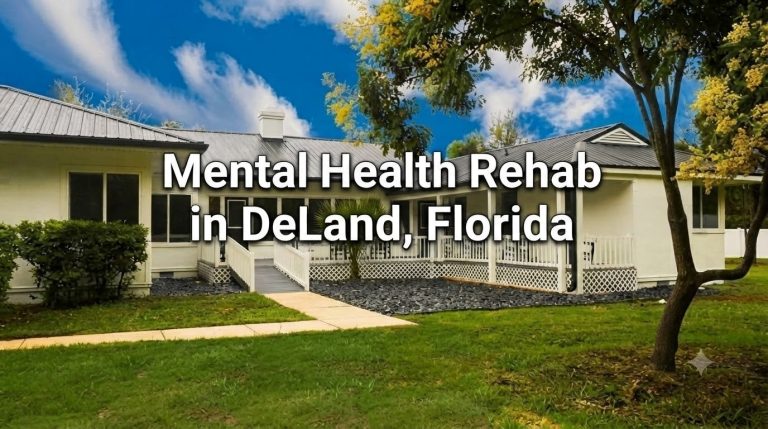
DeLand Treatment Solutions focuses on integrated care rather than treating mental health and addiction one after another. Clients live on site during a structured residential stay of about 30 days, with 24-hour support, daily therapy, and weekly psychiatric medication evaluation.
For anxiety, the Anxiety Disorder Treatment program combines medication management, GeneSight testing, and acceptance and commitment therapy. The Dual Diagnosis Program also treats ADHD, depression, PTSD, and panic disorder. Care draws on the ADHD Treatment Program, cognitive behavioral therapy, dialectical behavior therapy, and family therapy.
Take control of your anxiety and recovery with 24/7 clinical support. Call DeLand Treatment Solutions right now.
FAQs
What is dual diagnosis?
Dual diagnosis refers to having a mental health condition and a substance use disorder at the same time. Common combinations include anxiety or depression with alcohol or drug addiction. Because each condition can influence the other, treatment typically addresses both rather than treating the mental health or substance use problem separately.
What is the best treatment for dual diagnosis?
Integrated treatment is generally recommended for co-occurring mental health and substance use disorders. Treatment may combine psychotherapy, medication management, substance use counseling, relapse prevention, and support for family or relationships. The specific approach depends on the person’s symptoms, substance use, medical needs, safety concerns, and recovery goals.
Can anxiety cause addiction?
Anxiety does not directly cause addiction, but persistent anxiety can increase vulnerability to problematic substance use. Some people use alcohol or drugs to temporarily reduce worry or physical tension. Over time, repeated use can contribute to tolerance, dependence, and substance use disorder, particularly when underlying anxiety remains untreated.
How long is residential treatment for co-occurring disorders?
Residential treatment length varies according to symptoms, substance use severity, medical needs, progress, and available support. Some programs offer approximately 30 days, while others provide longer stays when clinically appropriate. After residential care, people may transition to partial hospitalization, intensive outpatient treatment, standard outpatient therapy, or continuing care.
Can you treat ADHD and anxiety with addiction at the same time?
Yes. ADHD, anxiety, and substance use disorders can be treated within the same overall care plan. Clinicians may address attention difficulties, anxiety symptoms, substance use, sleep, and other contributing factors together. Treatment can include therapy, behavioral strategies, medication when appropriate, and ongoing monitoring to support safety and recovery.
Are benzodiazepines used for anxiety during addiction treatment?
Benzodiazepines may sometimes be prescribed for specific clinical situations, but providers generally use them cautiously when someone has a history of substance misuse because these medications can cause tolerance, dependence, and withdrawal. Depending on the person’s needs, clinicians may consider psychotherapy, non-benzodiazepine medications, or other strategies for managing anxiety.
Does insurance cover dual diagnosis treatment in Florida?
Many insurance plans provide some coverage for mental health and substance use disorder treatment, but benefits vary by plan, provider network, authorization requirements, and level of care. Coverage may include residential, partial hospitalization, intensive outpatient, or outpatient services. Before admission, confirm benefits, expected costs, and authorization requirements with the insurer and treatment provider.
How do I know if my loved one needs dual diagnosis treatment?
Possible signs include substance use that increases during periods of anxiety or emotional distress, worsening mental health symptoms, repeated attempts to stop using substances, or difficulty functioning at home, work, or school. A professional assessment can determine whether a mental health condition and substance use disorder are occurring together.
Is outpatient care enough for anxiety and addiction?
Outpatient treatment can be appropriate when symptoms and substance use are manageable, the person is medically stable, and a safe, supportive environment is available. More intensive treatment may be considered when there is significant impairment, repeated relapse, severe psychiatric symptoms, withdrawal concerns, or an unsafe or unstable living situation.
What happens after residential rehab ends?
After residential treatment, many people transition to a less intensive level of care based on their progress and ongoing needs. This may include partial hospitalization, intensive outpatient or standard outpatient therapy, medication management, support groups, and relapse-prevention planning. Continuing care helps maintain treatment gains while gradually increasing independence and community involvement.
References
- National Institute on Drug Abuse. (2024). Co-occurring disorders and health conditions.
- National Institute of Mental Health. Anxiety disorders.
- National Institute of Mental Health. Any anxiety disorder statistics.
- Staley, B. S., et al. (2024). Attention-deficit/hyperactivity disorder diagnosis, treatment, and telehealth use in adults, United States, October–November 2023. Morbidity and Mortality Weekly Report, 73(40), 890–895.
- National Institute of Mental Health. Substance use and co-occurring mental disorders.
- National Institute on Drug Abuse. Principles of effective treatment.
- DeLand Treatment Solutions. Anxiety Disorder Treatment.
- DeLand Treatment Solutions. Dual Diagnosis Program.
This article is for informational purposes only and should not replace professional medical advice, diagnosis, or treatment. If you or someone you know is struggling with substance use, contact DeLand Treatment Solutions or visit delandts.com to learn about available treatment options.