In This Blog
- When Substance Use Disorder Treatment Month is observed
- Why this awareness month exists
- How awareness supports recovery and early intervention
- The role of behavioral-health services during observance periods
- How individuals and families can benefit from increased awareness
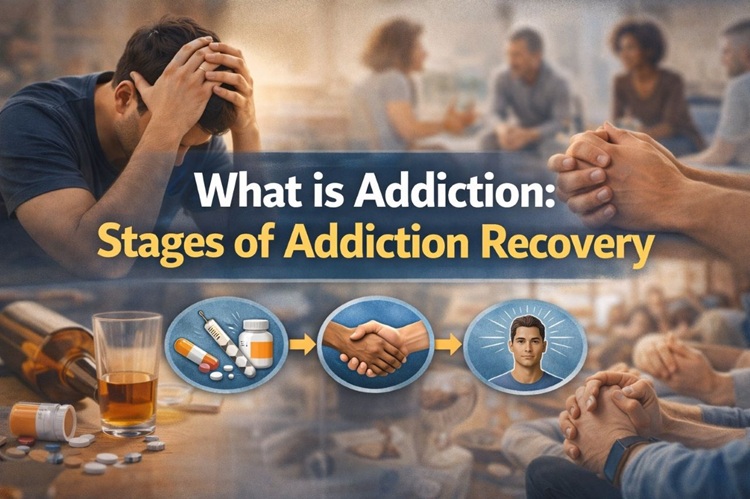
SUD is an illness that affects people, families, and groups of people regardless of their demographics. However, stigma, gaps in treatment, and delayed treatment are also serious problems, though they are common. The reason why Substance Use Disorder Treatment Month exists is to create awareness, early intervention, and recovery-focused behavioral health support.
The timings of when this observance is held and the reason why are important among some of the factors that would guide people to appreciate the importance of treatment access, education, and loving support. The awareness months are not only symbolic, but they are employed as inducers of prevention, recovery involvement, and stability.
When Is Substance Use Disorder Treatment Month Observed?
Substance Use Disorder treatment month is celebrated annually in January. The holiday is celebrated in accordance with the national efforts of improving recovery-based care, behavioral-health education, and community awareness scenarios following the holiday.
January is the month when the majority take into consideration health, stability, and changing something in their lives. This period is useful to be more receptive to the discussion of treatment and recovery planning. The awareness campaigns during this month remind people that the use of substances is not a personal failure, but they are curable condition.
According to the Substance Abuse and Mental Health Services Administration, the awareness campaigns in the month of January help in the treatment services during the first few months of the year.
How Does Awareness Reduce Stigma Around Treatment?
Stigma is regarded as one of the biggest obstacles to the treatment of substance use disorder. Many are scared of being criticized by their family members or the colleagues they are working with, or by the society they live in, and that is why they do not want to get help.
The Substance Use Disorder Treatment monthly helps transform the perception of the problem of addiction as a behavior-health issue rather than a moral issue. Education at this age is messaged in a way that promotes knowledge and compassion, on and non-evidence-based care.
The World Health Organization recommends the reduction of stigma as effective in the treatment of outcomes.
What Role Does Behavioral Health Play During Treatment Month?
Behavioral-health providers are at the forefront of the Substance Use Disorder Treatment Month through improved outreaceducationing, and screening operations. Various programs revolve around early identification, co-occurring mental health, and recovery planning.
The given practice contributes to the importance of integrated care, which involves not only emotional and psychological and behavioral, but also substance use trends. The treatment, month-month messaging, encourages the individuals to perceive recovery as a process that is supported.
PubMed literature has demonstrated the use of integrated behavior-health strategies as one of the means to realize long-term recovery.
How Does Treatment Month Support Early Intervention?
Intervention at the early stage is of great contribution to the successful recovery, although the majority of people intervene when the symptoms are beyond control. Substance Use Disorder Treatment Month contributes to creating awareness of the symptoms of early action and evaluation before the crisis.
The education campaigns are directed to the fact that the therapy must not be justified by drastic consequences. Health, emotional, and social consequences in the long term can be prevented by addressing substance use problems at an early stage.
As CDC findings indicate, early attendance to treatment decreases the risks of relapse and complications.
Goals of Substance Use Disorder Treatment Month
Focus Area | Purpose |
Awareness | Increase understanding of treatment options |
Education | Reduce misinformation and stigma |
Early intervention | Encourage timely support |
Recovery support | Highlight ongoing care importance |
Community engagement | Promote supportive environments |
Why is January an Effective Time for Treatment Awareness?
January is the month of rebirth, introspection, and resolutions for those who are making. This attitude is in line with the more open attitude towards behavior change and seeking support.
Following the holidays, some individuals discover uncontrollable substance use patterns. Treatment Month messages come to this level of thinking and give hope and guidance without admonition.
Studies by NIH have shown that health behavior motivation is extremely high at the start of the year.
How Does Treatment Month Address Co-Occurring Conditions?
Anxiety, depression, trauma, or mood disorders are common behaviors that are accompanied by substance use disorders. Substance Use Disorder Treatment Month urges the necessity to address these problems as a unit rather than as an individual.
The behavioral health care promotes emotional management, coping, and relapse prevention. Mental health awareness messages focus on the fact that mental health needs to be addressed to ensure long-term recovery is achieved.
In line with SAMHSA, integrated care has an advantageous effect on engagement and retention.
Speak with DeLand Treatment Solutions at (386) 866-8689 today.
Treatment Month Messaging vs Common Misconceptions
Misconception | Treatment Month Message |
Addiction is a personal failure | Addiction is a treatable condition |
Treatment is only for crises | Early support improves outcomes |
Recovery is short-term | Recovery is an ongoing process |
Mental health is separate | Integrated care is essential |
FACTS: Nearly 90% of individuals needing addiction treatment do not receive it.
EXPERT’S ADVICE: “Awareness initiatives improve treatment access and recovery engagement.”
How Does Substance Use Disorder Treatment Month Support Families?
Families often experience confusion, fear, or uncertainty when a loved one struggles with substance use. Treatment Month provides education that helps families understand addiction, boundaries, and supportive roles.
Awareness efforts emphasize that families are not responsible for causing addiction, but they can influence recovery positively. Education improves communication and reduces enabling behaviors.
NIH research shows family-informed support improves recovery outcomes.

What Does Long-Term Recovery Look Like Beyond Treatment Month?
Substance Use Disorder Treatment Month is a form of awareness creation, yet the actual rehabilitation process cannot be stopped at a month. Stability over time is inclusive of the unrelenting behavioral-health support, development of coping, and restructuring of lifestyle.
The concept of treatment Month communication supports the theory that recovery is an action that requires continuous attention and help. This perception lowers the unrealistic expectations and fosters sustainable planning.
According to PubMed research, the risk of relapse is low in cases of continued care.
The DeLand Treatment Solutions is a behavioral health care that is recovery-oriented and is supposed to be used to offer treatment to the substance use patterns as well as the emotional well-being. Their philosophy of individual care is based on the concept of data-driven care, caring, and long-term stability so that individuals and families can pass the recovery process with clarity, dignity, and the help of a professional whom people can trust.
Call DeLand Treatment Solutions at (386) 866-8689 for support.
Medical Disclaimer: This article is for informational purposes only and is not a substitute for professional medical advice.
Deland Treatment Solutions
Battling with Drug and Alcohol Addition? Remember, you are not alone and we are here to help you!
Key Takeaways
- The Day of Substance Use Disorder Treatment is celebrated every January.
- Prevention and stigma are promoted through education campaigns.
- Better recovery is linked to behavioral-health integration.
- Through education, people and their families recognize the treatment requirements.
- The recovery process is a long-term supported process.
- Professional help should be used in cases where the daily functioning has been affected in a 4-6 week period because of substance use.
FAQs
1. When is Substance Use Disorder Treatment Month observed?
Substance Use Disorder Treatment Month is observed every January. The timing supports early-year reflection, increased motivation for change, and heightened awareness of recovery resources. January awareness efforts encourage individuals to seek behavioral-health support before substance use concerns escalate into more serious health or social consequences.
2. Why is Substance Use Disorder Treatment Month important?
This observance raises awareness about addiction treatment, reduces stigma, and promotes early intervention. Many individuals delay care due to misinformation or fear. Treatment Month helps normalize recovery support and emphasizes that substance use disorders are treatable behavioral-health conditions.
3. Who benefits from Substance Use Disorder Treatment Month?
Individuals, families, and communities benefit from increased education and awareness. Treatment Month helps people recognize early warning signs, understand treatment options, and access recovery-focused behavioral-health services, while also supporting families with knowledge and guidance.
4. Does Treatment Month focus only on severe addiction?
No. Treatment Month emphasizes that support is appropriate at all stages of substance use concerns. Early intervention is encouraged to prevent escalation, reduce harm, and support emotional stability before severe consequences develop.
5. How does Treatment Month address mental health?
Substance Use Disorder Treatment Month highlights the importance of integrated behavioral-health care. Many individuals experience co-occurring mental health challenges, and addressing both simultaneously improves emotional regulation, coping skills, and long-term recovery outcomes.
6. Can someone seek help outside of Treatment Month?
Yes. While January increases awareness, treatment and support are available year-round. Substance Use Disorder Treatment Month serves as a reminder that help is always appropriate when substance use affects emotional health, relationships, or daily functioning.
References
- Substance Abuse and Mental Health Services Administration (SAMHSA)
https://www.samhsa.gov - National Institute on Drug Abuse (NIDA)
https://nida.nih.gov - National Institutes of Health (NIH)
https://www.nih.gov - World Health Organization (WHO)
https://www.who.int - Centers for Disease Control and Prevention (CDC)
https://www.cdc.gov - PubMed – Substance Use Disorder Research
https://pubmed.ncbi.nlm.nih.gov