In This Blog
- What mental disorders are and how they are classified
- The 11 DSM-5–based mental disorder categories
- How diagnosis works
- Common signs to watch for
- Treatment and support options
- Stigma reduction and mental health awareness
Mental health disorders touch millions of people across the planet, whereas there are still a lot of individuals who find it challenging to comprehend the manner of defining, diagnosing, and treating their disorders. Both the DSM-5 (Diagnostic and Statistical Manual of Mental Disorders) and WHO guidelines offer structured categories to classify mental disorders, as professionals can use these structured categories to identify what symptoms fall under a specific category. The knowledge of these categories enhances awareness, lessens stigma, and makes people seek help at an earlier stage.
Fact: Around 1 in 8 people globally live with a mental disorder (WHO).
Understanding Mental Disorders
Psychiatric disorders, also referred to as mental disorders, are conditions that influence the way of thinks, feels, behaves, or functions. Their causes are psychological, biological, and environmental. All these are not weaknesses, but rather, they are health complications that need to be taken care of and nurtured.
Expert Advice: Early identification and treatment lead to significantly better long-term outcomes for most mental disorders. (NIMH)
100% Confidential Support is Available 24/7
No matter what you’re going through, you’re not alone. Our dedicated team is here to provide a safe, judgment-free space where you can talk openly and honestly. Whether you need emotional support, resources, or just someone to listen.
We’re here for you—completely confidential and always respectful of your privacy. Call us today!
The 11 Major Types of Mental Disorders (Based on DSM-5 & WHO Guidelines)
The eleven most identified categories of mental disorders are classified as below.
1. Anxiety Disorders
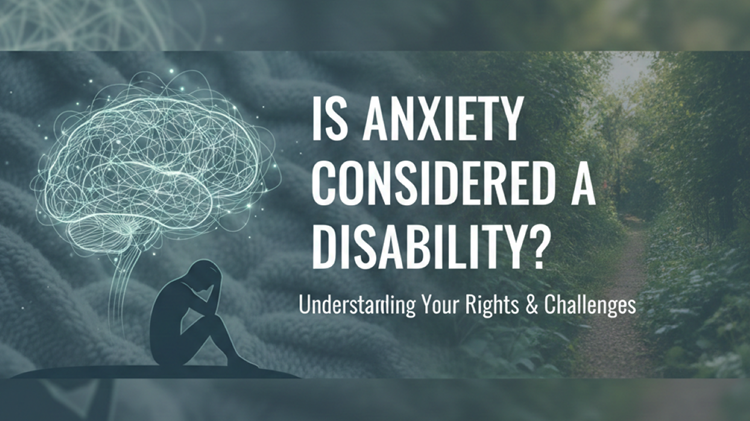
This group comprises generalized anxiety disorder (GAD), panic disorder, and phobias. These disorders are characterized by too much fear, worry, or avoidance that disrupts normal life. Individuals can have increased heartbeat, anxiety, nervousness, or panic attacks. Mental health disorders such as anxiety disorders are prevalent across the world.
2. Mood Disorders
Mood disorders influence emotional control, and they consist of major depressive disorder, persistent depressive disorder, and bipolar disorder. Patients can be depressed, irritable, lack energy, or have intense mood changes that can be depressive or manic. These disorders affect everyday functioning, sleep, motivation, and relationships.
3. Psychotic Disorders
Psychotic disorders such as schizophrenia influence the perception of the person regarding reality. They may be hallucinations, delusions, disordered speech, and disorganized thinking. The conditions begin in late adolescence or early adulthood and are usually treated comprehensively over a long period.
4. Eating Disorders
Eating disorders are anorexia nervosa, bulimia nervosa, and binge-eating disorder. They entail an extreme focus on body weight or shape that results in unhealthy eating habits. Such conditions may lead to severe physical complications, such as heart problems, nutritional deficiencies, and damage to organs in the case of no treatment.
5. Personality Disorders
Personality disorders influence the thinking, behavior, and relationships of individuals. These are examples such as the borderline personality disorder, narcissistic personality disorder, and antisocial personality disorder. These disorders are usually characterized by strict behavioural patterns, emotionalunpredictabilityty and problems with sustaining relationships.
6. Obsessive-Compulsive and Related Disorders
This category encompasses OCD, the hoarding disorder, er and the body dysmorphic disorder. People can develop undesirable intrusive thoughts (obsessions) and actions (compulsions). The behaviors may eat away hours of individual lives and greatly interfere with operations.
7. Trauma- and Stressor-Related Disorders
Exposure to traumatic experiences like injury, violence, or loss results in disorders like post-traumatic stress disorder (PTSD). This can be characterized by flashbacks, nightmares, hypervigilance, avoidance, or emotional numbness. Such conditions may have a severe effect on emotional stability and life.
8. Neurodevelopmental Disorders
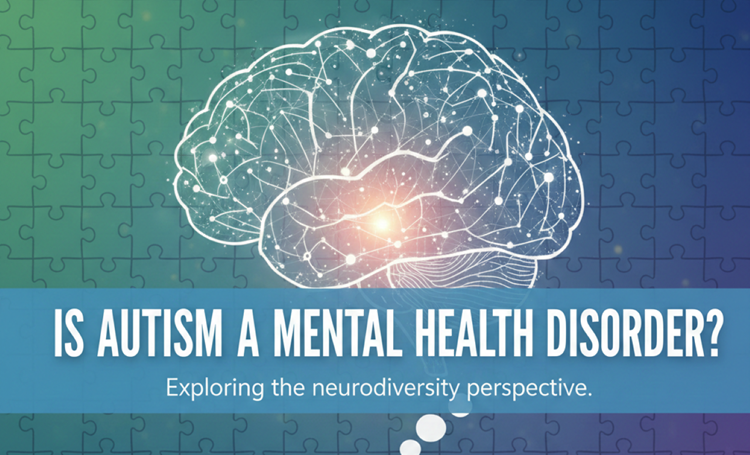
These conditions start during early childhood and influence learning, behavior, or communication. As examples, one can mention ADHD and autism spectrum disorder. These could impact attention, social interaction, executive functioning, or adaptive skills. The initial assistance would make a big difference.
9. Dissociative Disorders
Dissociative disorders are characterized by impairments in memory, identity, perception, or consciousness, such as dissociative identity disorder and depersonalization/derealization disorder. Most of them emerge as a result of trauma and leave people isolated by reality or themselves.
10. Substance-Related and Addictive Disorders
These are the alcohol related conditions, drug-related, and behavioral addictions. The use of substances disrupts the reward system of the brain, leading to cravings, tolerance, and withdrawal. These conditions usually go hand in hand with depression, anxiety, ty or trauma owing to an alteration in brain chemistry.
11. Sleep-Wake Disorders
Sleep-wake disorders involve insomnia, hypersomnia, circadian rhythm disorders, and sleep apnea-related problems. Chronic sleep deprivation can deteriorate mental health and vice versa. Sleep deprivation influences the state of concentration, memory, emotional management, and health.
Fact: Early intervention improves recovery outcomes significantly across most mental illnesses.
Get personalized mental health care now.
Call DeLand Treatment Solutions at
Call Now: (386) 866-8689
How are Mental Disorders Diagnosed?
Typically, a diagnosis can be made through clinical interview, self-report, psychological tests, and DSM-5. Mental health practitioners assess the symptoms, the length of time, the level of severity, and the effect on daily functions. Physical illnesses that could resemble mental illnesses may also be eliminated through medical tests. A correct diagnosis will be very crucial in developing a satisfactory treatment plan.
Common Signs and Symptoms to Watch For
Red flags of mental illness include, but are not limited to:
- Continuous depression or anger.
- Unjustified anxiety, concern, or panic.
- Abrupt sleep or appetite alterations.
- Difficulty concentrating
- Inability to socialize.
- Extreme mood swings
- Loss of interest in regular activities.
- Latent hallucinations or delusions.
- Failure to work well or study.
The early identification of these symptoms can assist people to get the necessary support in time before the situation deteriorates.

CALL US NOW
DeLand Treatment Solutions will iron out the details for you in a manner that will make you confident in your path to sobriety. That first simple call is your ticket to making DeLand Treatment Solutions your solution for addiction. Get the freedom from addiction that you deserve today.
Seeking Help: Treatment Options and Support Resources
Psychiatric disorders can be remedied using a blend of:
- Psychotherapy (CBT, DBT, EMDR, family therapy)
- Drugs like antidepressants, mood stabilizers, or antipsychotics.
- Modifications in lifestyle, such as sleep, nutrition, and reduction of stress reduction.
- Community resources and support groups.
- Combined therapy of co-occurring.
Individualized and always consistent treatment is the best.
Need support for addiction and mental health? Contact DeLand Treatment Solutions at (386) 866-8689 today.
Breaking the Stigma: Why Mental Health Awareness Matters
Stigma denies a number of people the opportunity to seek the assistance they require. Raising awareness and opening up to dialogue, and ensuring the lives of people living with mental illness are saved. Mental health dilemmas are not unusual, are curable, and are not to be embarrassed about.
Key Takeaways
- Mental disorders are marked by mood, behavior, thinking, or functioning.
- DSM-5 is used to categorize mental health conditions into structured units.
- Some of the most common are anxiety, mood, psychotic, and personality disorders.
- Emotional, behavioral, and physical changes are the initial signs.
- Therapy, medication, and lifestyle support are the types of treatment.
- Stigma is minimized through awareness, thus encouraging early treatment.
Medical Disclaimer: This article is for informational purposes only and is not a substitute for professional medical advice.
FAQs
1. What are the main types of mental disorders?
According to DSM-5 and WHO criteria, there exist eleven major categories, such as anxiety disorders, mood disorders, psychotic disorders, eating disorders, personality disorders, trauma-related disorders, neurodevelopmental disorders, dissociative disorders, substance-related disorders, obsessive-compulsive disorders, and sleep-wake disorders. Every category has several specific conditions.
2. How can someone recognize early signs of a mental disorder?
The symptoms can be constant sadness, withdrawal, anxiety, abrupt changes in behavior, loss of interest, inability to focus, sleeping problems, or unusual thinking. These symptoms are considered to be lasting and cause impairment of day-to-day functioning when they last for weeks and require the review of a professional. Timely diagnosis prevents the exacerbation of symptoms with time.
3. Are mental disorders treatable?
Yes, the majority of mental disorders can be treated very successfully. Some of the evidence-based interventions are cognitive-behavioral therapy, medications, lifestyle change, and support systems. The treatment plans differ based on the condition, severity, and individual needs. Through regular maintenance, most individuals become stable in the long term and can lead better lives.
4. What causes mental disorders?
The mental disorders are caused by a complex of factors such as genetic, brain chemistry, trauma, chronic stress, and environmental factors. Certain conditions can occur over time, and some are witnessed following major life or substance abuse. Learning on the underlying basis will be used to inform superior methods of treatment.
5. When should someone seek professional help?
When the symptoms extend beyond two weeks, when they are a major problem in the normal life of an individual, and when they make one suffer, help should be sought. Dangerous symptoms are extreme mood swings, suicide, hallucinations, panic attacks, or failure to perform normal functions. Prenatal care enhances treatment and recovery.
References
- World Health Organization (WHO) – Mental Disorders
- World Health Organization, 2022 Global Mental Health Estimates
- National Institute of Mental Health (NIMH) – Mental Health Information
- American Psychiatric Association – DSM-5 Overview
- National Institute of Mental Health (NIMH) – Early Intervention Research