Quick Answer: Deciding to enter residential alcohol detox rehab is more than just completing a detox process. The best programs offer medical monitoring, personalized care, therapy, relapse prevention, and follow-up care. At DeLand Treatment Solutions, compassionate structured care provides a comfortable and safe path toward long-term recovery.
There’s no single real success rate that is the best one to use to gauge the success of an inpatient alcohol detox rehab. Find a program that has a safe withdrawal process, a plan that would address the core of the issue of drinking, evidence-based therapy, and a continuing care plan. Detox is not the end of treatment; it’s the starting point to recovery!
What Does Inpatient Alcohol Detox Rehab Success Really Mean?
When families are looking for inpatient alcohol detox rehab success, they want one number in answer to the question, “What are the odds for it to work?” Unfortunately, recovery isn’t that simple.
No two people are the same about the effects of alcohol use disorder (AUD). Some could require medically supervised detox, and others could be treated in outpatient care. Inpatient care may offer more supervision and intensive support for someone who faces a risk of a serious withdrawal or for the individual who needs a structured, drug-free setting.
A good program will take more than a few days for someone to cease drinking. It can assist them with understanding their triggers, teaching them healthier coping mechanisms, working on any mental well-being issues they may have, and preparing them for life after treatment.
Deciding to pursue inpatient alcohol detox and rehab in Florida can be overwhelming, but knowing what to look for may help with that.
Key Takeaways
- Success rates for inpatient alcohol detox rehab are not one size fits all.
- Medical supervision is advised in case of severe alcohol withdrawal symptoms.
- Detox does not symbolize a full addiction treatment.
- Good programs offer medical support in conjunction with counseling, behavioral therapies, and aftercare.
- Inpatient treatment may not be enough by itself if you have a long-term recovery plan.
- People can relapse, and that doesn’t necessarily represent failure of treatment.
When May Inpatient Alcohol Detox Be Appropriate?
Alcohol withdrawal symptoms can be uncomfortable or life-threatening. This is usually associated with sweating, nausea, tremors, increased heart rate, increased blood pressure, insomnia, and anxiety. Withdrawal can be severe and include either seizures or delirium tremens.
Not everyone who shows these symptoms needs inpatient treatment. A medical evaluation should help to decide on the level of care needed.
An inpatient alcohol detox center might be especially suited for an individual who has:
- Severe withdrawal or withdrawal seizures in the past.
- Excessive or chronic drinking of alcohol
- Important medical or psychiatric issues
- Struggling to stay home safely, not drinking
- Moderate level of support or unstable household situations
- A need for continuous medical monitoring
It’s not only about helping you to withdraw with ease. It’s to establish a safe base for the process of recovery.
What Influences Inpatient Alcohol Detox Rehab Success?
Several factors can have an impact on inpatient alcohol detox rehab success. Much as severity and duration of alcohol use are important, they are only part of the equation.
Personal vulnerability, mental illnesses, stress, family setting, social situation, and previous treatment outcomes can influence recovery. NIAAA also describes how anxiety, depression, and PTSD can predispose individuals to the development of AUD and how AUD can exacerbate mental health symptoms.
What happens after the detox is another important aspect. While a person may complete withdrawal management, if the causes and triggers are never addressed, then they may return to drinking.
That’s why if you’re looking for the best inpatient alcohol detox and rehab, you should only consider a facility that can integrate the cases of detoxification with counseling, behavioral treatment, drug use when it’s deemed fit, and continuing care.
How Is the Right Level of Care Determined?
Not all tests can be used to determine whether or not inpatient rehab will be effective. Instead, doctors and other health professionals review the level of alcohol consumption, alcohol withdrawal experiences, physical and mental health, drugs being consumed, living environments, and recovery needs.
Symptoms described in DSM-5-TR can be used to classify AUD by its severity, e.g., mild, moderate, or severe.
With a proper assessment, a person can determine if they need medically directed inpatient detox care, residential care, intensive outpatient care, or another level of care.
Now, as you think of a facility, consider the following:
- Are health professionals on hand?
- What is done to monitor withdrawal?
- Are mental health issues considered?
- What types of therapy are offered?
- Are drugs available and administered when suitable?
- What happens outside of the hospital?
- Does the program develop an individualized treatment plan?
These questions can be a lot more telling of the likelihood of successful inpatient alcohol detox rehab than a marketing statistic.
What Should a Successful Inpatient Program Include?
Therefore, does inpatient alcohol rehab work? Some may need this degree of structure and support as an effective ingredient to their recovery, and this will ultimately depend on the individual and the quality and continuity of care.
A good program will usually have several interrelated components.
1. Medically supervised detox
Withdrawal can be a dangerous process. The doctor will be able to watch for symptoms and offer treatment as needed. NIAAA rates intensive inpatient care as a place where possibly intense withdrawal can be dealt with.
2. Individualized treatment
There is no one-size-fits-all recovery strategy. Factors such as drinking pattern, physical and mental health, goals, family issues, and treatment history should all be taken into consideration during the treatment process.
3. Behavioral therapy
A person undergoing counseling can find ways to recognize the triggers, to modify harmful thinking patterns, to adopt better coping mechanisms, and to work out ways of avoiding alcohol.
4. Medication when appropriate
Medications that are proven to help some individuals with AUD as part of a treatment plan may be used as part of the treatment.
5. Continuing care
Among the largest aspects to search for. Detox should not be a complete treatment for AUD. NIAAA makes sure to point out that the treatment period can take months or even longer, depending on the needs of each individual.
While not an ideal option for everyone, DeLand Treatment Solutions can discuss options with you or for someone you know if you think inpatient treatment is for them.
What Does the Evidence Say?
There is no single percentage that research backs when it comes to inpatient alcohol detox rehab success, as “success” can vary from abstinence to fewer AUD symptoms to a healthier life to reduced drinking to a better quality of life and more. Recovery is a unique, continuous journey, NIAAA says.
NIAAA also confirms that many individuals with AUD do better with time, and there are treatments available, like evidence-based behavioral therapy, medicines, and self-support groups, that can help someone attain and sustain recovery.
To learn more evidence-based information, check out the treatment guidance from the National Institute on Alcohol Abuse and Alcoholism and the NIAAA Alcohol Treatment Navigator.
What Are the Disadvantages of Inpatient Care?
While inpatient treatment can offer you structure and safety, it isn’t suitable for everybody.
Some drawbacks may be separation from family, job, or school or from regular routines. Treatment can also be expensive; it can impact freedom, and the person will have to adjust to a schedule.
Being removed from familiar environments can make some people feel uncomfortable; it takes some time. However, if the person has a stable home and reliable family or friends to support him or her, outpatient treatment may be preferred.
What is important to note is that it’s not a matter of whether inpatient treatment has its drawbacks. It is whether the benefits of the plan outweigh the drawbacks in relation to the needs of the individual.
Review
When it comes to inpatient alcohol detox rehab success, don’t simply take the promise of guaranteed results on this list. Ask who will be responsible for your health care; who and what types of therapy are made available; who’s included; what treatments they have available; how they will release you; and what additional support they will be able to offer you. An open house should indicate to mothers and fathers the program that is available and the real nature of recovery.
Seeking help from DeLand Treatment Solutions provides essential guidance
How Can You Improve the Chances of Long-Term Recovery?
Although there are no guaranteed treatments that will keep individuals sober for life, there are a few steps that can help them maintain recovery from inpatient treatment.
Create a continuing-care plan
Don’t let discharge be the goalpost. Set up therapy, medical follow-up, support groups, or any other type of care that is appropriate.
Know your triggers.
Some circumstances, other people, feelings, or habits may be a risk for relapsing back to drinking. Early detection helps in planning.
Addressing mental health issues
Alcohol use and recovery can be impacted by anxiety, depression, trauma, and other issues. Both issues can be addressed, and this can make treatment even stronger.
Stay connected.
Counselors, families, peers, or recovery communities can help someone to feel held accountable and encouraged.
Be responsive about failures.
Illness does not mean an end to recovery; it is a chance for a renewal of drinking. NIAAA considers relapse to be as common a state as treatment and reminds people that a setback does not mean a failure in treatment.

What Should You Look For?
There is no showy number that is the best indicator of inpatient alcohol detox rehab success. Seek out safe withdrawal management, trained professionals, one-on-one attention, effective treatment methods, mental health care, and an aftercare plan.
When you ask, “How long is inpatient alcohol detox?” there are factors to consider, like the seriousness of the withdrawal and an individual’s medical requirements. Most significantly, detox should be followed by a recovery plan that goes beyond detox.
If you are interested in alcohol rehab in Florida, at DeLand Treatment Solutions we can answer your questions and assist you in the next step towards recovery.
Take the Next Step Toward Recovery
When drinking has become out of control, there’s no need to go it alone. DeLand Treatment Solutions is on hand to help discuss your safe and appropriate treatment options.
Contact right now and get discreet advice regarding alcohol detox and rehab.
Medical Disclaimer: This article is for educational purposes only and is not a substitute for medical advice, diagnosis, or emergency care. Alcohol withdrawal can become dangerous, especially after heavy or long-term drinking. A qualified healthcare professional should determine the safest level of care.
Content note: The statistics and clinical claims above are presented cautiously because there is no universally accepted single measure of “rehab success.” Treatment outcomes depend on individual needs, treatment quality, engagement, and continuing care.
Frequently Asked Questions
What percentage of people are successful after rehab?
There is no single reliable percentage because recovery and success are defined differently across studies. Outcomes vary by treatment type, severity of AUD, individual circumstances, treatment participation, and continuing care. Recovery is a personal, ongoing process.
What is inpatient treatment like?
Inpatient treatment provides a structured environment where people receive around-the-clock support based on their clinical needs. Care may include withdrawal monitoring, medical treatment, counseling, behavioral therapies, daily activities, recovery education, and discharge planning.
How effective are rehab centers?
Rehab can help people reduce or stop problematic drinking, develop coping skills, and improve quality of life. Effectiveness varies by person and program. Evidence-based treatment, individualized care, medication when appropriate, and continuing support can improve recovery outcomes.
What percentage of alcoholics recover and stay sober?
No universal percentage accurately describes how many people with AUD recover and remain sober permanently. Studies use different definitions and follow-up periods. NIAAA reports that many people improve over time, although setbacks can occur during recovery.
What are the odds of relapse after rehab?
Relapse is common in alcohol recovery, particularly during stressful periods or when people encounter familiar drinking triggers. However, relapse does not automatically mean treatment failed. Reassessing treatment and increasing support can help someone return to recovery.
What are the disadvantages of inpatient care?
Potential disadvantages include cost, time away from work or family, reduced independence, and adjustment to a structured environment. Inpatient care may also be unnecessary for people who can safely recover with appropriate outpatient support.
How long are patients usually in inpatient rehab?
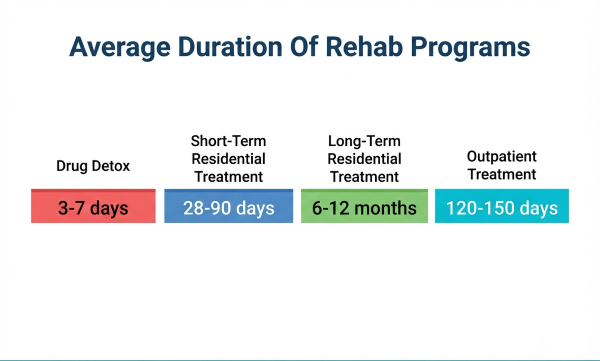
There is no universal inpatient length of stay. Detox may last several days, while broader residential or inpatient treatment can continue longer depending on clinical needs. Treatment should be based on individual progress rather than an arbitrary timeline.
What qualifies a patient for inpatient rehab?
A person may benefit from inpatient care when withdrawal could be medically dangerous, alcohol use is severe, home support is inadequate, co-occurring conditions require closer attention, or a structured 24-hour environment is clinically appropriate. A professional assessment determines the right level of care.