In This Blog
- Defining alcohol use disorder and its common symptoms
- Identifying the risk factors and causes of heavy drinking
- The difference between moderate and problematic consumption levels
- How long-term use affects physical and mental wellness
- Practical steps and resources for finding structured support services
To know what is meant by alcoholism, it is only necessary to look at the impact that alcohol use disorder has on the individual to handle their drinking behavior. Alcohol use disorder- It refers to a situation in which an individual constantly consumes alcohol despite the adverse effects that can occur to their health, their relationships and their everyday duties.
This disorder is on a scale between mild and severe, in the presence of several symptoms. Knowing the first signs, people and their close ones will be more aware of the intricacies of dependency and the need to locate relevant resources.
Expert Advice: Early intervention often leads to better long-term wellness for those seeking help.
Defining Alcohol Use Disorder
Alcohol use disorder is characterized by a pattern of consumption that involves problems controlling drinking. It is usually accompanied with being obsessed with alcohol or using it despite its problems.
The level of the condition is indicated by the number of criteria that an individual has within twelve months. The criteria consider such behaviors like the successful or unsuccessful efforts to reduce usage.
Common Signs and Symptoms
One of the primary indicators of a problem is an inability to limit the amount of alcohol consumed. Individuals may find themselves spending a great deal of time drinking or recovering from its effects.
Cravings, or a strong desire to drink, are also significant markers of this condition. When these cravings interfere with work, school, or home life, the situation has likely progressed.
FACT: Alcohol use disorder affects millions of adults across the United States.
100% Confidential Support is Available 24/7
No matter what you’re going through, you’re not alone. Our dedicated team is here to provide a safe, judgment-free space where you can talk openly and honestly. Whether you need emotional support, resources, or just someone to listen.
We’re here for you—completely confidential and always respectful of your privacy. Call us today!
The Stages of Severity
A mild case might involve only two or three symptoms from the official diagnostic criteria. At this stage, the individual may still function relatively well but faces increasing internal struggles.
Moderate cases involve four to five symptoms, while severe cases are marked by six or more. As the severity increases, the risk of physical dependency and withdrawal symptoms grows significantly.
Severity Level | Number of Symptoms | Impact on Daily Life |
Mild | 2 to 3 | Minimal disruption to routines |
Moderate | 4 to 5 | Noticeable issues in relationships |
Severe | 6 or more | Significant health and social decline |
Deland Treatment Solutions
Battling with Drug and Alcohol Addition? Remember, you are not alone and we are here to help you!
Causes and Risk Factors
There is no single cause for why someone develops a problematic relationship with alcohol. Genetics often plays a role, as a family history of substance use can increase an individual’s vulnerability.
Environmental factors, such as peer pressure or high levels of stress, can also contribute to the onset of the disorder. Social circles that normalize heavy drinking often mask the development of dependency.
Mental Health Connections
Many people use alcohol as a way to cope with underlying mental health challenges. This is often referred to as self-medicating for issues like anxiety, depression, or past trauma.
While alcohol may provide temporary relief, it ultimately worsens mental health symptoms over time. This creates a cycle where the person drinks more to manage the worsening emotional state.
Physical Health Consequences
Heavy drinking takes a heavy toll on the body’s vital systems over many years. The liver is particularly vulnerable, as it is responsible for filtering toxins and processing the substance.
Cardiovascular health is also at risk, with heavy use linked to high blood pressure and heart irregularities. Long-term consumption can lead to irreversible damage to internal organs and cognitive functions.
Tolerance and Withdrawal
Tolerance occurs when the body becomes accustomed to a certain amount of alcohol. This leads the person to consume larger quantities to achieve the same initial effects they once felt.
Withdrawal symptoms happen when a person suddenly stops drinking after a period of heavy use. These symptoms can include tremors, nausea, and in extreme cases, more serious physical complications.
Impact on Relationships
Problematic drinking often leads to conflict within families and among friends. The preoccupation with alcohol can cause a person to neglect their roles as a partner, parent, or employee.
Trust is frequently broken when promises to stop or cut back are not kept. Rebuilding these connections often requires a long-term commitment to a different lifestyle and professional guidance.
Screening and Assessment
Individuals who are concerned about their habits can use various screening tools to assess their risk. These tools often ask questions about the frequency of use and the impact on their life.
Meeting with a professional can provide a clearer picture of the situation and the necessary steps. They can offer a neutral perspective on whether the behavior meets the criteria for a disorder.
If you need help, DeLand Treatment Solutions offers support at (386) 866-8689 for your recovery.
Seeking help from DeLand Treatment Solutions provides essential guidance
The Role of Professionals
Professionals provide the structure needed to navigate the challenges of changing one’s lifestyle. They offer evidence-informed strategies to help individuals manage cravings and identify triggers that lead to drinking.
Support often involves a combination of individual sessions and group settings. This multi-faceted approach ensures that all aspects of the person’s life are addressed during the process.
Lifestyle Adjustments
Recovery involves more than just stopping consumption; it requires building a life that supports wellness. This might include finding new hobbies, improving diet, and establishing a regular sleep schedule.
Avoiding high-risk situations is crucial, especially in the early stages of making a change. Learning how to navigate social events without alcohol is a key skill developed during this time.
Long-Term Wellness Goals
The goal of finding help is to achieve a state of sustained health and stability. This is a continuous process that requires ongoing effort and a strong support network of peers and professionals.
Success is measured by improvements in overall quality of life rather than just the absence of alcohol. Many find that their relationships and career prospects improve as they commit to a healthier path.
Support Type | Primary Focus | Best For |
Individual Sessions | Personal triggers and history | Deep emotional work |
Group Support | Peer connection and shared experience | Reducing isolation |
Aftercare Planning | Relapse prevention and long-term goals | Maintaining progress |
The Importance of Consistency
Consistency in attending support meetings and sessions is vital for maintaining progress. Building a routine helps the brain adjust to a life without the chemical influence of alcohol.
Small, daily victories contribute to long-term success and help build the confidence needed to stay on track. Each day without consumption strengthens the person’s resolve and physical health.
Understanding Relapse
Relapse is sometimes a part of the journey toward wellness, but it does not mean failure. It is often a sign that the current support plan needs to be adjusted or intensified.
Learning from the events that led to a setback is a crucial part of the process. Professionals help individuals analyze these moments to prevent similar occurrences in the future.
DeLand Treatment Solutions provides professional guidance and resources via phone at (386) 866-8689 today.
Supportive Environments
Living in an environment that encourages healthy choices makes a significant difference. This may involve setting boundaries with friends who still drink or finding a living situation focused on wellness.
A supportive home life provides the safety net needed when cravings or stress levels are high. Family involvement in the support process can also help heal old wounds and create a unified front.
Navigating Social Pressure
Society often revolves around social drinking, making it difficult for those in recovery. Learning to say no firmly and without guilt is an essential part of maintaining one’s boundaries.
Finding a new social circle that prioritizes other activities can alleviate much of this pressure. Many people find that they enjoy life more when they are fully present and clear-headed.

The Value of Professional Programs
Structured progrxams provide a safe space to explore the root causes of dependency. These services offer a level of accountability that is often difficult to find when trying to change on one’s own.
By engaging with a dedicated team, individuals gain access to a variety of tools designed for their specific needs. This professional oversight ensures that the approach is both safe and effective for long-term health.
DeLand Treatment Solutions offers comprehensive support services and personalized guidance for those seeking a healthier lifestyle. Their team focuses on providing a structured environment where individuals can address their habits through evidence-informed methods and ongoing peer support.
Medical Disclaimer: This article is for informational purposes only and is not a substitute for professional medical advice.
To explore options for supervised support, contact DeLand Treatment Solutions
Key Takeaways
- Alcohol use disorder is a chronic condition that varies in severity based on behavioral symptoms.
- Genetics, environment, and mental health all play a role in the development of the disorder.
- Physical health risks include liver damage, heart problems, and significant cognitive changes over time.
- Professional support and structured programs are essential for achieving long-term wellness and stability.
- Consistency, lifestyle changes, and a strong support network are the foundations of a healthy recovery.
FAQs
How can I tell if I have alcoholism?
Determining if you have alcohol use disorder involves looking at your drinking patterns and their impact. If you cannot control your intake, experience strong cravings, or find that alcohol interferes with your daily responsibilities and relationships, you may meet the criteria for a disorder that requires professional assessment.
What is considered alcoholism in terms of drinks?
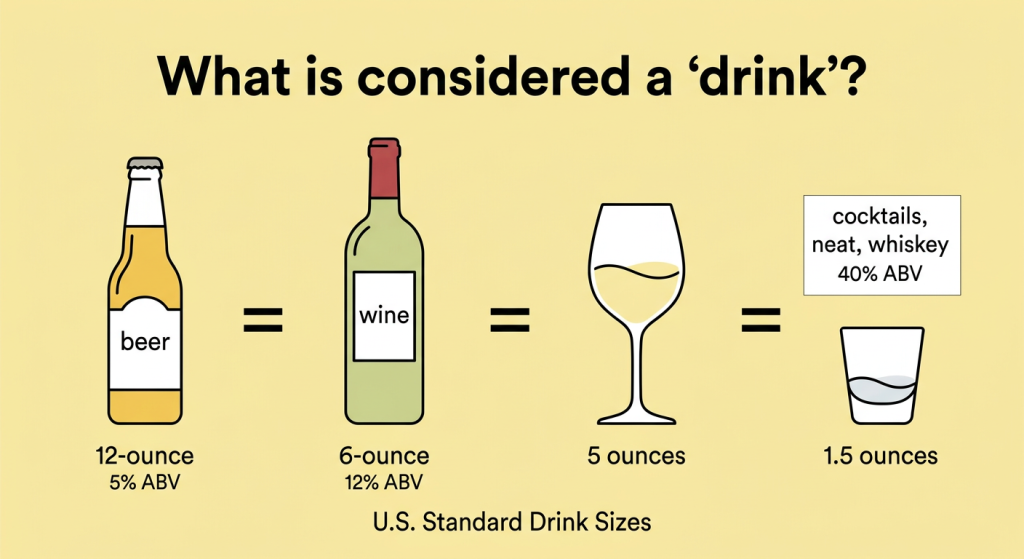
What is considered alcoholism is less about a specific number of drinks and more about the loss of control. While heavy drinking is often defined as eight or more drinks per week for women and fifteen for men, the diagnostic focus remains on the resulting behaviors and physical dependency.
Can alcohol use disorder be cured for good?
Alcohol use disorder is generally managed rather than cured in a traditional sense. Like many chronic conditions, it requires ongoing attention and lifestyle adjustments to maintain wellness. Success is found in long-term management through support networks, professional guidance, and a commitment to healthy habits that prevent a return to use.
Why is it so hard to stop drinking?
Stopping is difficult because alcohol changes brain chemistry, creating a physical and psychological dependency over time. The brain begins to rely on the substance to function, leading to intense cravings and uncomfortable withdrawal symptoms when usage stops. Professional support helps manage these complex changes safely and with better results.
Does insurance usually cover alcohol use support?
Most insurance plans provide some level of coverage for substance use disorder services as part of essential health benefits. The specific amount of coverage depends on your provider and the type of program you choose. It is best to verify your benefits with your insurance company or the service provider.