Quick Answer: Luxury rehab refers to accommodation and amenities rather than a distinct clinical model. Private rooms, small cohorts and wellness services describe the environment, while the therapy inside follows the same evidence-based approaches used everywhere else. Comfort can improve retention, which matters, but amenities themselves do not make treatment more effective.
Key Takeaways
- Luxury rehab describes the setting and amenities, not a different category of clinical treatment.
- The therapies inside a premium program are the same evidence-based models used in standard ones.
- Comfort still matters, because it affects whether someone stays long enough for treatment to work.
- No licensing body awards a luxury designation, so the label says nothing about clinical quality.
Luxury rehab is addiction or mental health treatment delivered in a private, high-amenity setting. Expect small resident numbers, private rooms, grounds, prepared meals, and wellness extras. The clinical core of assessment, therapy, medication, and aftercare matches any well-licensed program.
Nobody compares facilities calmly. People searching for what luxury rehab is have usually already decided to go and are now asking whether the higher price buys anything real.
Curious what premium actually buys?
What Is Luxury Rehab, Exactly?
It describes accommodation and service level, not a clinical category. No licensing body issues the term, so anyone can use it. What usually sits behind it is fewer residents, private bedrooms, more space, and extra wellness services on the grounds.
One element genuinely matters clinically: higher staff-to-resident ratios. More clinicians per person changes what care feels like.
What does not change is the therapy. Cognitive behavioral therapy beside a pool is still cognitive behavioral therapy.
Fact: No licensing authority anywhere issues a formal luxury rehab designation at all.
What Does “Rehab” Actually Mean?
Rehab is short for rehabilitation, meaning care that restores a person’s ability to function in daily life. In behavioral health, it covers structured substance use or mental health treatment: assessment, therapy, medication where appropriate, and a plan for what happens after discharge.
The word carries no regulatory weight on its own. What a facility can legally provide depends entirely on its licensing and accreditation, not on how it describes itself.
What Are the Three Types of Rehab?
Most of what people encounter falls into three settings, and luxury versions exist across all three. The distinction that actually matters is the level of care, because that is what licensing covers, what insurers assess, and what clinical need determines in the first place.
Type | What it is | Who it suits |
Withdrawal management | Medically monitored detoxification | Physical dependence needing supervised stabilization |
Residential or inpatient | Living at the facility with 24-hour clinical care | Unstable symptoms, or a home environment undermining recovery |
Outpatient | Sessions while living at home, from partial hospitalization down to standard outpatient | Stable symptoms, or stepping down after residential care |
CDC describes the main treatment routes as outpatient counseling, inpatient rehabilitation at a full-time facility, and behavioral health care, and notes that for opioid use disorder, medication may be the first course of treatment.
What Does a Day in Luxury Rehab Involve?
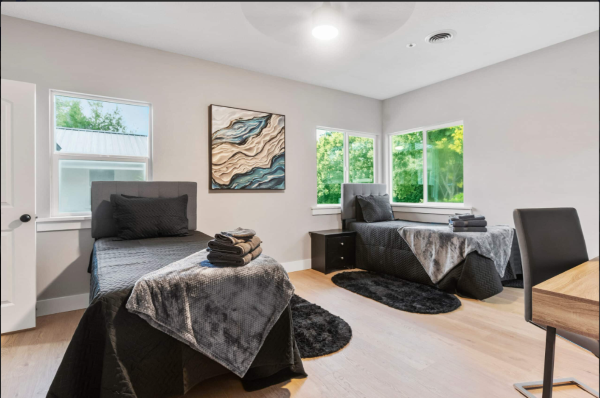
More structured than the photography suggests. Therapy occupies most of the schedule and amenities fill the gaps rather than replacing anything. A typical day runs from morning check-in and medication through group therapy, individual therapy, a skills session, a wellness activity, meals, and an evening group.
The premium setting changes texture, not content. Single rooms, quieter space, better food, more staff on shift.
Expert Advice: Ask for the overnight staffing number before you ask about the room.
What Do the Holistic and Wellness Therapies Actually Do?
Yoga, massage, acupuncture, nutrition work, equine sessions and art groups sit alongside treatment rather than inside it. They help with the parts of early recovery that therapy does not reach directly, like restlessness, poor sleep and the long empty stretches between sessions. That is a real contribution and worth having.
What they are not is a replacement for therapy, medication, or clinical monitoring. The useful question on a tour is which of these are delivered by credentialed practitioners as part of the treatment plan and which are simply recreation with a wellness label attached.
Luxury Rehab vs Standard Treatment Programs
The honest comparison puts the clinical row first, because that is where the equivalence sits. Everything below it is real, worth something to some people, and separate from whether treatment works.
What differs | Luxury program | Standard program |
Clinical therapies | Same evidence-based models | Same evidence-based models |
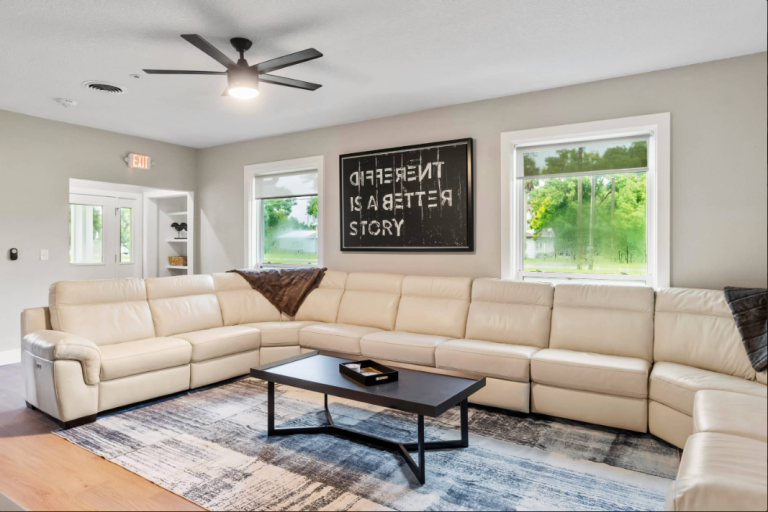
Accommodation | Single rooms, private grounds | Shared rooms, institutional buildings |
Food | Individually prepared meals | Catered or canteen service |
Resident numbers | Often very small | Larger cohorts |
Wellness extras | Yoga, massage, recreation, nutrition | Limited or optional |
Cost | Substantially higher | Lower, more often insurance-covered |
Therapy does the work in both, provided each delivers evidence-based treatment at the right level.
What Makes Luxury Rehab So Expensive?
Nobody can name the most expensive program, honestly. Prices often go unpublished, rates shift with length of stay and level of care, and advertised figures frequently exclude services billed separately. What can be stated plainly is where the money actually goes.
Cost driver | Why it raises the price |
Low resident numbers | Fewer people sharing fixed staffing and property costs |
High staffing ratios | More clinicians per resident, the most expensive input |
Private accommodation | Single rooms reduce capacity in the same building |
Property and location | Coastal or secluded land costs more to buy and run |
Extra services | Chefs, wellness practitioners, and recreation staff add payroll |
Only one of those five is clinical. Price reflects property, marketing and service level as much as care quality, so a high rate signals a premium product rather than a better outcome.
Does Insurance Cover Luxury Rehab?
Partly, and the split is predictable. Insurers reimburse medically necessary treatment delivered at a licensed facility, so the clinical hours are usually the covered portion. The accommodation upgrade, the private grounds and the non-clinical extras generally sit outside benefits, because no plan recognizes them as treatment.
Two things decide what you actually pay. Whether the facility is in network, and whether the level of care you are admitted to is the one your plan agrees is necessary. Out-of-network programs sometimes negotiate a single case agreement, which is worth asking about directly rather than assuming. Request written benefit verification and an itemized estimate, and ask specifically which line items the insurer has declined.
Where Do Celebrities Go for Rehab?
There is no reliable public answer, and that is the point. Where someone received treatment is protected health information. Facilities that genuinely serve high-profile clients do not discuss it, and any program that drops names has already demonstrated how it handles privacy.
What people are really asking about is discretion. That part is answerable directly.
Questions that actually test privacy
- Written confidentiality policies you can read before admitting
- Staff non-disclosure agreements as standard practice
- Private arrangements for arrival and departure
- Screening so residents are not placed alongside professional contacts
If a program will discuss someone else who stayed there, it will discuss you.
Get a straight staffing answer.
Does Luxury Rehab Improve Treatment Outcomes?
No research connects amenities to recovery outcomes. The outcome evidence points instead to treatment quality, an appropriate level of care, and how long someone stays engaged. Nothing links thread count to abstinence, and any program implying otherwise is selling rather than informing.
The indirect argument is stronger. Comfort, privacy and decent food influence whether someone completes a program or leaves in week two, and retention does affect outcomes.
The CDC states that no single treatment method is right for everyone, and reports that medication for opioid use disorder is effective in helping people reduce illegal opioid use and stay in treatment longer.
How to Vet a Luxury Rehab Program
Separate the environment from the medicine on the call. Surroundings photograph well, so clinical structure is what needs questioning. Good programs answer specifically and quickly.
Green flags
- Named licensed levels of care rather than “we treat everything”
- A staffing number given without hesitation
- Co-occurring conditions treated on site by the same team
- A written aftercare plan with named providers and dates
Red flags
- Reluctance to discuss what happens if a claim is denied or a stay ends early
- Marketing language substituted for clinical specifics
- No aftercare plan, meaning the program sells a stay rather than recovery
What to ask | What a good answer sounds like |
Which levels of care are you licensed for | Specific named levels |
Who delivers therapy, with what credentials | Named licences and disciplines |
What is the overnight staff-to-resident ratio | A number, not a reassurance |
Which therapies here are evidence-based? | Named models such as CBT, DBT or EMDR |
How are co-occurring conditions handled? | Treated on site, prescribers in the same team |
NIMH notes there is no formal approval process for psychotherapies comparable to FDA approval of medications and advises asking any provider for the rationale behind their approach and its evidence base.
NIMH also describes integrated care, where mental health and substance use treatment happen in one place. A premium facility referring to the psychiatric half elsewhere offers less than a plainer one handling both.
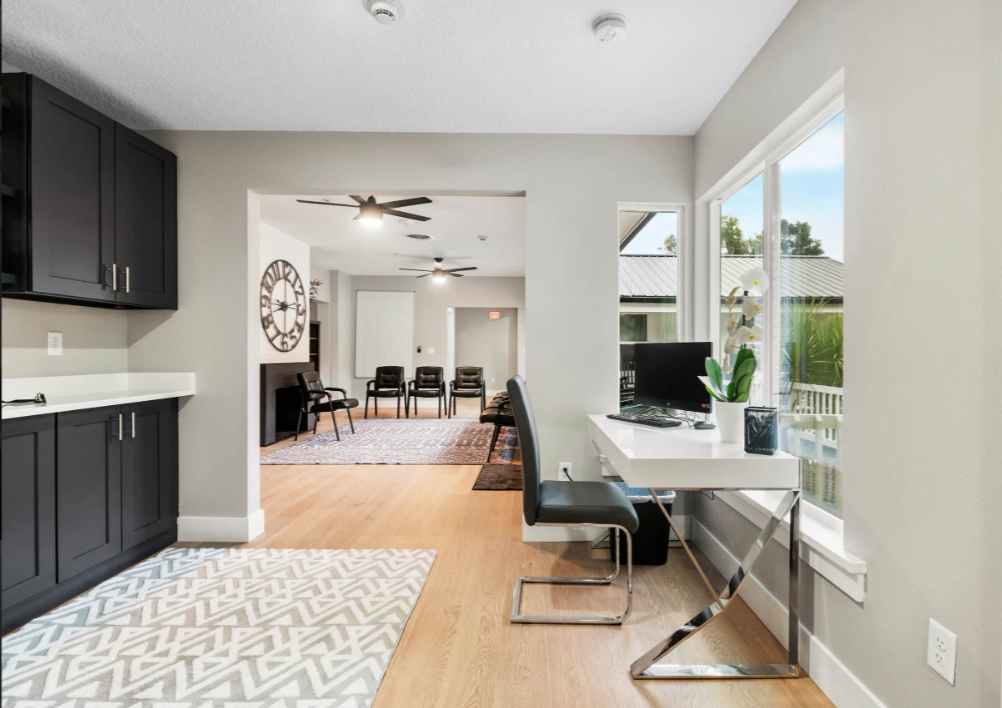
Residential Treatment at DeLand Treatment Solutions
DeLand Treatment Solutions sits in the small and private category rather than the resort category. Residential care runs in DeLand for adults and families across Central Florida, typically for about thirty days.
What the clinical structure looks like
- Residential treatment with round-the-clock clinical support
- Daily individual therapy, with weekly psychiatric medication evaluation
- GeneSight pharmacogenomic testing, where several medications have been tried
- Dual diagnosis treatment, handling both conditions in one program
Therapies running through the program
- CBT, DBT, and acceptance and commitment therapy
- EMDR, trauma-informed therapy, and mindfulness-based therapy
- Art, music, and recreational therapy alongside family therapy
Aftercare planning starts before discharge, covering step-down into outpatient care or sober living. DeLand Treatment Solutions holds Joint Commission accreditation, FARR licensing, and NAATP membership.
“People weighing a luxury program against a smaller clinical one are really asking where they will actually finish. Staffing, the therapies, and the plan afterward decide that.” Our clinical team at DeLand Treatment Solutions
Scale, staffing, and the plan afterward are the real variables. DeLand Treatment Solutions talks through all three, or use the contact page.
If you have spent weeks scrolling through photo galleries and price sheets and still cannot tell which program is genuinely right, that uncertainty is the real problem, and it is the fastest one to fix.
One conversation with a clinician who asks about the substance, the history, the psychiatric symptoms and what home looks like will narrow the list faster than another month of brochures.
DeLand Treatment Solutions will give you the staffing numbers, the licensed levels of care, the therapies on the daily schedule and a clear picture of aftercare before anyone asks you to commit to anything
Skip the guesswork and talk directly with a specialist about real professional care and coverage. Call us at DeLand Treatment Solutions.
Summary:
Luxury rehab is addiction or mental health treatment delivered in a private, high-amenity setting. Private rooms, small cohorts and wellness services describe the environment, not the clinical model. The therapies are the same evidence-based approaches used in standard programs. No licensing body awards a luxury designation.
More Questions About Luxury Rehab
Does insurance cover a premium facility?
Sometimes. Insurance may cover eligible clinical treatment at a licensed facility while excluding premium accommodation, private amenities, or additional services. Coverage depends on your plan, provider network, and medical necessity. Request written benefit verification and an itemized estimate before admission to understand potential out-of-pocket costs.
How long is a typical stay?
Residential treatment often lasts several weeks, although the appropriate duration depends on clinical needs, treatment goals, and progress. Ask how providers determine the recommended length, whether extensions require additional authorization, and what extra charges may apply if your stay continues beyond the original estimate.
Is medical detox available on site?
It varies by facility. Some residential programs provide medically supervised withdrawal management on site, while others require admission to a separate detox facility first. Withdrawal risks differ by substance and individual health. Confirm available medical services, staffing, emergency procedures, and whether detox involves a separate admission.
Is executive rehab the same thing?
Not exactly. Executive rehabilitation programs emphasize work flexibility, privacy, and scheduling, while luxury programs typically highlight accommodation and amenities. Some facilities offer both. Neither label guarantees effective treatment, so evaluate clinical qualifications, staffing, individualized care, confidentiality policies, and evidence-based treatment options before choosing.
What happens after the stay ends?
A discharge plan should outline continuing care before residential treatment ends. Next steps may include outpatient therapy, medication management, support groups, sober living, and relapse prevention. Ask who coordinates follow-up, whether referrals are arranged beforehand, and how the team supports the transition back home.
Can you keep your phone and laptop?
Policies vary between facilities. Some programs allow scheduled device access, while others initially restrict phones and laptops to reduce distractions and support treatment. If work or family responsibilities require access, ask about device rules, approved exceptions, privacy policies, and arrangements before admission.
Can family visit during a stay?
Many residential programs allow family visits, although schedules, eligibility, and restrictions differ. Some introduce visits after an adjustment period, while others involve relatives earlier in treatment. Ask when visits begin, whether family therapy is available, and whether additional charges or specific participation requirements apply.
What should someone pack?
Packing requirements depend on facility policies, medical needs, and treatment activities. Programs may restrict alcohol-containing products, certain medications, sharp objects, and other potentially unsafe items. Request the official packing list before arrival, and confirm medication documentation requirements, approved personal belongings, and any prohibited items.
Can someone leave before the program ends?
Residential treatment is often voluntary, meaning people can generally request discharge, although legal circumstances and facility policies may affect the process. Leaving early can interrupt care and create health risks, particularly during withdrawal. Ask about discharge procedures, continuing care arrangements, and refund policies before admission.
Does a nicer setting make withdrawal easier?
A comfortable setting may reduce stress, but luxury amenities cannot replace appropriate medical care. Withdrawal safety depends on the substance involved, individual health risks, clinical monitoring, and access to medication when indicated. Before admission, confirm medical staffing, withdrawal management services, and emergency response procedures.
References
- https://www.cdc.gov/overdose-prevention/treatment/index.html
- https://www.nimh.nih.gov/health/topics/psychotherapies
- https://www.nimh.nih.gov/health/topics/substance-use-and-mental-health
- https://nida.nih.gov/research-topics/treatment
- https://nida.nih.gov/research-topics/comorbidity
Medical Disclaimer: This article is for informational purposes only and should not replace professional medical advice, diagnosis, or treatment. If you or someone you know is struggling with substance use, contact DeLand Treatment Solutions or visit https://delandts.com/ to learn about available treatment options.