Key Takeaways
- Depression is a medical condition, not a character flaw
- It can affect anyone, regardless of age or background
- Symptoms vary but often persist for weeks or months
- Early recognition improves recovery outcomes
- Professional treatment and support make a real difference
Depression: Understanding the Path to Recovery
Depression is acceptance of an illness, which is defined in terms of thoughts, mood, actions, and physical well-being, most often without a lot of or a lot of commotion. Depression is not a state that can be observed only for several days. It is a factual, curable mental disease, which can be experienced in every aspect of life. The guide gives the definition of a depression in a clear non-admonitive manner that would allow you to know what could be happening and when you require assistance.
Understanding Depression
Learning about Depression will start with the identification of the fact that it is a biological illness, not a weakness or a personality defect. Depression may influence the way he/she thinks, feels, sleeps, eats and associates with others. It frequently manifests itself in the form of persistent sadness, loss of interest, lack of energy or emotional numbness that persists for weeks or even longer.
Learning about Depression also implies that it does not present itself in the same way to all people. Some get very depressed and others who are upset and or indifferent. Motivation, focus and everyday living can become impaired. Due to proper care and assistance, recovery can be achieved.
Mental Disorders
Mental disorders refer to those conditions which deal with mood, thoughts and behaviors, and depression is one such popular disorder. Although mental disorders are subject to a great variety of manifestations of varying degrees of acuity, depression is considered a significant challenge to ordinary life, as it may go unnoticed by others.
There is an interaction between biological, psychological and social factors in causing mental disorders like depression. The conceptualization of depression in a larger context of mental illnesses contributes to the decrease in stigmatization and it promotes the ability of patients to seek professional help without voicing shame and self-indictment.
You are not alone, find hope and professional depression support at DeLand Treatment Solutions today.
What is Depression?
Depression is a state of mind which is characterized by sadness, emptiness, or loss of enthusiasm in those activities that used to be enjoyed. It has a huge impact on how a person feels and thinks and provides him or her with a daily routine. Depression is likely to disturb employment relations, judgement and health.
What are the Types of Depression?
Depression is recognized to have several forms. Major depressive disorder is a severe condition that is characterized by symptoms that take a period of not less than two weeks. Persistent depressive disorder takes longer and it might not seem as serious but can be as disruptive. They include postpartum depression, seasonal affective disorder, and medical condition or hormone-related depression.
Who Does Depression Affect?
Depression may occur in early age and in adults. It is not discriminatory in terms of gender, income, education, and background. Although life experiences may have a role to play, they may develop depression with no apparent external precipitant, and awareness and education are particularly crucial in this regard.
How Common Is Depression?
The problem of depression is one of the prevalent mental disorders in the majority of the world. It is witnessed by millions of people at some time in their lives. Some of them live with symptoms over years without treatment, and sometimes the reason is that they do not realize that they have symptoms of depression and they are unsure of how to seek help.
Signs and Symptoms of Depression
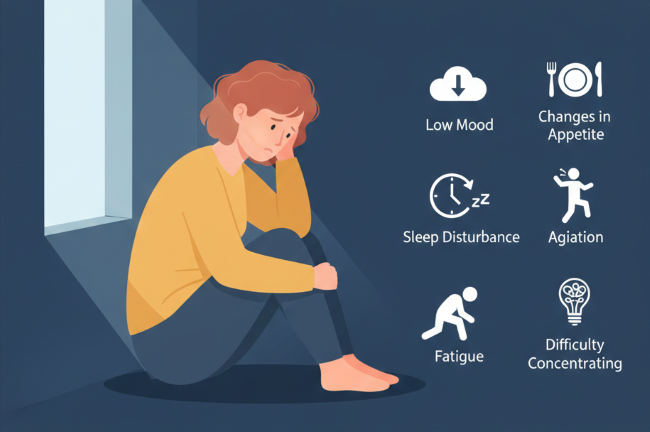
The typical symptoms are constant sadness, lack of interest or enjoyment, lack of energy, sleep problems or loss of appetite, permanent inability to concentrate, guilt or unworthiness, and social withdrawal. Other people also report having physical symptoms of headache or body aches and these symptoms do not have a definite medical explanation.
Causes of Depression
Most people are normally affected by a mix of situations that cause depression instead of one straightforward cause. These can be both genetics and brain chemistry or trauma, chronic stress, medical conditions, substances used or significant life changes. The definition of Depression is where an individual should realize that his or her experience is unique.
How Long Does Depression Last?
An untreated depression may take weeks, months or more. Other people have recurrent episodes whilst others live with persistent symptoms. Through a timely and proper treatment, most individuals observe some improvement within few weeks and go on to recover in the process.
How to Support a Healthy Mood
Though not every depression can be avoided, healthy habits can enable one to cope with emotional issues. Protective factors include regular sleep, well-balanced nutrition, physical exercise, social relationship and management of stress. It is also important to seek professional assistance at an early stage when there are changes in mood.
How is Depression Diagnosed?
A case of depression can be clinically examined through the application of a mental health expert to detect the situation. In this procedure, the symptoms, length, daily impacts, as well as the previous history of the medical background, are discussed. Diagnostic test does not exist but a good assessment allows correct diagnosis and treatment.
Break free from depression and rediscover balance with expert care at DeLand Treatment Solutions.
How is Depression Treated?
Therapy, lifestyle changes and in some instances medication are common methods of treatment. Psychotherapy assists individuals to know the pattern of their emotions, develop coping styles and progress in functioning. Drugs can be used to manage the brain chemistry. The treatment is tailor-made since recovery does not apply to all.
What is the Prognosis of Depression?
Depression has a favorable prognosis as a result of proper care. A majority of them become better or more convalescent. Long-term emotional balance is reduced through continued support, long-term discharge care and a healthy lifestyle, which reduces a chance of relapse.
Can Depression Be Prevented?
All depression, however, is also impossible to prevent, although it is possible to reduce the risk by means of awareness. Through early diagnosis of depression and treatment of stress and relationship support as well as quick treatment, the course and duration of depression episodes might be minimized.

Managing Depression: Pathways to Healing and Support
Depression treatment does not work on the solution of symptoms alone but based on restoration of balance, affiliation and meaning. The support can either be in the form of professional treatment or peer support, including family intervention and routine self-care. Evidence-based caring will allow people to move on with a clear vision of things.
DeLand Treatment Solutions provides professional mental health care to individuals facing issues and who need support. Call in now to see what can be done to assess and be provided with help and assistance and recovery can be done.
Disclaimer
This content is intended for educational and informational purposes only and does not replace professional medical advice, diagnosis, or treatment. Always seek the guidance of a qualified mental health professional for personalized care and recommendations.
FAQ
What is the basic understanding of depression?
Depression is a medical condition that affects mood, thinking, and daily functioning. It involves persistent emotional distress that lasts beyond normal sadness and often interferes with relationships, work, and self-care when left untreated.
How do I stop feeling depressed?
Feeling better often begins with reaching out for support. Professional therapy, healthy routines, social connection, and sometimes medication can help. Small steps matter, and improvement usually happens gradually rather than all at once.
What are the 12 signs of depression?
Common signs include sadness, loss of interest, fatigue, sleep changes, appetite changes, low concentration, guilt, hopelessness, irritability, physical aches, withdrawal from others, and thoughts of worthlessness or death.
How do I understand my depression?
Understanding Depression involves noticing patterns in mood, behavior, and thoughts over time. Reflecting on triggers, symptom duration, and daily impact—often with professional guidance—helps clarify what you’re experiencing and what support may help.
How long does depression last?
Depression varies in length. Some episodes last weeks, others months or longer. With treatment, many people experience improvement within weeks, though full recovery may take time and ongoing care.
How to avoid depression mood?
Maintaining regular sleep, balanced nutrition, physical activity, stress management, and meaningful connections helps support emotional health. Seeking early support when mood changes appear can prevent symptoms from worsening.
What are the 5 main symptoms of depression?
The most common symptoms include persistent sadness, loss of interest, low energy, changes in sleep or appetite, and difficulty concentrating. These symptoms usually last for weeks and affect daily functioning.
What are the 3 C’s of depression?
The three C’s often referenced are connection, coping, and care. Staying connected to others, learning coping strategies, and receiving professional care all play key roles in managing depression effectively.