
In This Blog
- The Vital Role of the Kidneys
- Alcohol as a Diuretic: Dehydration Risks
- Blood Pressure and Renal Strain
- Chronic Kidney Disease (CKD) and Alcohol
- The Benefits of a Monitored Setting for Recovery
- Navigating Professional Support for Organ Health
Kidneys are considered to be one of the busiest organs of the human body, as they have to (or are supposed to) filter waste, balance the electrolytes and control the blood pressure. Although liver health is the primary area of discussion about alcohol use, the influence of alcohol consumption on the functioning of the kidneys is equally high and should not be disregarded. Alcohol is a system toxin that interferes with the fine internal balance that the kidneys aim to achieve. The association of substance use and organ health in a professional recovery setting is a vital aspect that must be learned to implement a comprehensive wellness program.
By introducing alcohol into the system, alcohol causes the kidneys to strain more to get the toxins out of the body at the same time interfering with the hormones that govern the water balance. In the long run, this strain may cause permanent damage, with acute kidney injury up to chronic renal failure. In a formalized care setting, the aim is to stabilize such essential systems with the help of professional supervision and evidence-based interventions. By being aware of the red flags of renal distress, one can take positive actions to recover.
Expert Advice: Alcohol interferes with the body’s capability to balance fluids and electrolytes and imposes direct pressure on the renal system.
The Vital Role of the Kidneys in Filtration
The kidneys are used as an advanced filter plant. They eliminate the waste metabolism, and superfluous water in the blood, which is discharged as urine. In addition to filtration, they also release hormones which assist in the maintenance of blood pressure, the production of red blood cells, and the balance of such mineral salts as sodium, potassium, and calcium. Alcohol makes a disruptive factor into this tightly balanced process compelling the kidneys to ensure that ethanol and its metabolites are cleared before other vital processes are done.
- Acid-Base Balance: Alcohol may lead to an increase in the level of acidity of blood, which the kidneys are forced to overworking to reestablish the normal level of pH.
- Electrolyte Regulation: Drinking alcohol causes the loss of essential minerals by urinating more frequently and this may cause the heart to beat irregularly and the muscles to become weak.
- Hormonal Interference: Alcohol inhibits the antidiuretic hormone (ADH), which directs the kidneys to reabsorb water causing excessive loss of water.
Alcohol as a Diuretic: The Dehydration Cycle
Alcohol is a strong diuretic, which implies that it makes the body lose more fluid than it receives. This is mainly done through preventing the manufacture of vasopressin (ADH) by the pituitary gland. A lack of ADH means that the kidneys are not being given the message to retain water in the body but instead, the water is being bypassed to the bladder. This explains why they might often visit the bathrooms during the consumption, although the long-term effects on the kidney are disastrous.
The physical effects of chronic dehydration are commonly seen by clinicians in a treatment environment. When the body is dry, the blood is more concentrated, and therefore it is difficult to filter off waste products using the kidneys effectively. This may cause kidney stones or a painful condition referred to as the flank pain. In a monitored environment, to reduce this renal strain, rehydration and electrolyte stabilization are the priorities in recovery services. Supervised support is what will guarantee that fluid levels in the individual will be monitored closely when it comes to the process of quitting alcohol consumption.
Comparison of Normal vs. Alcohol-Impacted Renal Function
The following table highlights how alcohol alters the standard operational procedures of the kidneys.
Feature | Healthy Kidney Function | Alcohol-Impacted Function |
Fluid Management | Reabsorbs water based on body needs | Excessive fluid loss due to ADH suppression |
Waste Filtration | Efficient removal of urea and creatinine | Sluggish filtration due to concentrated blood |
Blood Pressure | Regulated via the RAAS system | Elevated pressure causes damage to nephrons |
Mineral Balance | Stable levels of sodium and potassium | Depletion of electrolytes via over-urination |
If you have questions about structured care, contact DeLand Treatment Solutions.
FACT: The kidneys filter approximately 120 to 150 quarts of blood every day to produce 1 to 2 quarts of urine.
Blood Pressure and Renal Strain
The effect of alcohol use on blood pressure is among the most threatening side effects. One of the causes of hypertension is chronic consumption. Since the kidneys are considered to be full of thousands of small blood vessels known as nephrons, high blood pressure is catastrophic to the health of kidneys. The force of the blood on these fine filters leads over a period of time to their scarring and hardening, which is called glomerulosclerosis.
Blood pressure monitoring is of high priority in a professional recovery setting. Once the high blood pressure damages the kidneys, they no longer have the capability to regulate the high blood pressure and this forms a dangerous feedback loop. This cycle may culminate into kidney failure and dialysis or a transplant. The professional management that is necessary in dealing with hypertension that includes lifestyle management and the medical approach which will help in the control of hypertension, will be provided by structured care which will help to protect the kidneys which have already been damaged.
Chronic Kidney Disease (CKD) and Alcohol
Whereas occasional use might be associated with short-term strain, chronic use is a major risk factor for chronic kidney disease (CKD). CKD is a chronic disease in which kidneys lose their functionality over time. Alcohol is not only a contributor to CKD by its direct toxicity, but also by enhancing other health-related problems such as liver disease and diabetes, which are both serious causes of renal failure.
The liver-kidney health intersection, also known as hepatorenal syndrome, is one of the major concerns in a recovery services setting. Damage of the liver by alcohol also impairs blood circulation to kidneys hence making them to fail. This brings up the need of a controlled environment in which every organ system can be assessed as a whole unit. Supervised support offers a means through which these multi-organ challenges can be met so that the body is looked at as a whole, an interconnected entity.
Risks Associated with Heavy Alcohol Consumption
The table below illustrates the various renal complications that can arise from sustained substance use.
Condition | Description | Potential Long-Term Outcome |
Acute Kidney Injury | Sudden loss of function due to binge drinking | Potential for full recovery with immediate care |
Nephropathy | Damage to the functional units of the kidney | Chronic decline in filtration ability |
Renal Infarction | Blockage of blood flow to the kidneys | Permanent tissue death in the affected area |
Kidney Stones | Hard mineral deposits caused by dehydration | Severe pain and potential urinary blockage |
DeLand Treatment Solutions offers information on recovery services for your needs.
The Importance of a Monitored Setting for Recovery
The initial step towards saving the kidneys is to quit drinking and although it may be expensive, the detoxification process may temporarily exert strain on the kidneys. The risks of an abrupt change in chemicals are avoided in a controlled environment. The professional supervision will make sure that the kidneys are maintained with proper hydration and nutrition as the body gets rid of alcohol and alcohol metabolites. Such help under supervision plays a crucial role in the prevention of acute renal complications in the initial phases of well-being.
Long-term renal health tools are also availed in a treatment setting. This involves special diets which are not rich in processed toxins and rich in nutrients that aid in repairing the kidneys. Depending on the patient, their kidneys are granted an opportunity to calm down and even in certain instances, partially restore their ability to perform. In an organized care program, it is all about offering the safe and controlled environment in which the process of natural healing of the body is left to play its role.
Navigating Professional Support for Organ Health
Recovery is not only abstinence but is also about healing the body to the optimum level of its health. In case of any concerns regarding the well-being of their kidneys, it is necessary to contact professional supervision. Recovery services provide an avenue of stabilization that grants the complexity of renal biology a respectful look. Communicating with a team of specialists, one may become aware of his or her present health condition and create a plan of actions to follow in the future.

Sustaining Wellness Through Structured Care
DeLand Treatment Solutions is a professional setting where a person can concentrate on the healing process. Our services lay stress on a supervised environment that guarantees that each person is given the right degree of supervised care as per their unique conditions. When adopting a more structured approach, you are putting an emphasis on a background of safety and professional care, which can be used to facilitate the shift to a healthier and more stable way of life.
Medical Disclaimer: This blog is for informational purposes only and is not a substitute for professional medical advice.
Key Takeaways
- Alcohol acts as a diuretic, leading to chronic dehydration and kidney strain.
- The kidneys must work harder to filter alcohol, disrupting electrolyte balance.
- Alcohol-induced hypertension is a primary cause of damage to renal nephrons.
- Chronic use increases the risk of progressive Chronic Kidney Disease (CKD).
- A monitored setting is essential for managing renal health during detoxification.
- Professional oversight ensures a holistic approach to healing the liver and kidneys.
FAQs
Can the kidneys recover from alcohol damage?
The kidneys have a limited ability to repair themselves once scarring occurs. However, in a professional recovery environment, stopping alcohol use can prevent further damage and improve overall function. A monitored setting provides the nutritional and medical oversight necessary to optimize renal health and prevent the progression of CKD.
What are the signs of kidney distress from drinking?
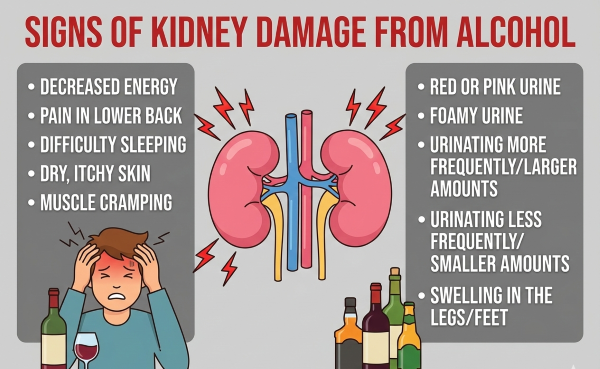
Common signs include lower back or flank pain, changes in the color or frequency of urination, swelling in the ankles or hands, and persistent fatigue. In a treatment environment, these symptoms are evaluated through lab tests to ensure that supervised support is tailored to the individual’s specific renal needs.
Why does alcohol make me urinate so frequently?
Alcohol inhibits the antidiuretic hormone (ADH), which tells your kidneys to hold onto water. Without this hormone, the kidneys send fluid straight to the bladder. This diuretic effect leads to dehydration, which can be safely managed in a monitored setting through professional oversight and controlled fluid and electrolyte replacement.
Does binge drinking cause acute kidney failure?
Yes, binge drinking can cause a sudden drop in kidney function known as acute kidney injury. This is often due to extreme dehydration and a sudden spike in blood pressure. Accessing recovery services in a structured care environment ensures that these acute events are managed safely to prevent permanent damage.
How does a monitored setting protect my kidneys?
A monitored setting provides 24/7 professional oversight to manage your hydration, blood pressure, and electrolyte levels. This supervised support is crucial during the initial stages of recovery when the body is most vulnerable. A treatment environment ensures that your kidneys have the best possible chance to stabilize and heal properly.