In This Blog:
- What rehab means in simple terms
- Purpose of rehab programs
- Types of rehab services available
- What happens during rehab
- Duration and structure of programs
- Benefits of professional treatment
- Common misconceptions about rehab
- How to know when rehab may help
- What to expect after completing rehab
- How to choose the right program
“Rehab” is a popular word which can be used in different contexts with different meanings. Rehab can be applied to the professional programs that are offered to help people cope with their negative patterns in substance use and mental health in order to give them the methods of coping and improving their overall performance. It is not an event but a process that comprises various steps, which entail support and direction.
Rehab programs are supposed to provide a favorable and rather well-professional environment through which individuals can focus on their behavioral orientation, develop new and healthier habits, and struggle to ensure long-term stability.
The misconceptions will be eradicated by having an idea of what rehab entails, and they will help in making wise choices. It also introduces to the viewer the fact that recovery is slow and ought to be facilitated by regularity, order, and constant nurturing.
Expert Advice: Rehab involves professional support, consistency, and long-term behavioral change planning.
What Does Rehab Mean?
Rehab, short for rehabilitation, refers to a professional process that supports individuals in reducing or stopping harmful substance use while improving their overall wellbeing.
Key Elements of Rehab
- professional daily routines
- Professional guidance and support
- Behavioral therapies and skill-building
- Focus on long-term lifestyle changes
Rehab is not limited to stopping substance use. It also addresses underlying factors such as stress, habits, and environmental influences that contribute to ongoing challenges.
FACT: professional rehab programs improve long-term outcomes compared to unprofessional recovery attempts.
What is the Purpose of Rehab Programs?
The main purpose of rehab is to help individuals regain control over their lives by addressing patterns that negatively affect health, relationships, and responsibilities.
Core Goals
- Reduce or stop substance use
- Develop coping strategies
- Improve emotional and behavioral stability
- Build healthier routines
Rehab also focuses on preparing individuals for life after the program, emphasizing sustainability rather than short-term change.
What Types of Rehab Programs Are Available?
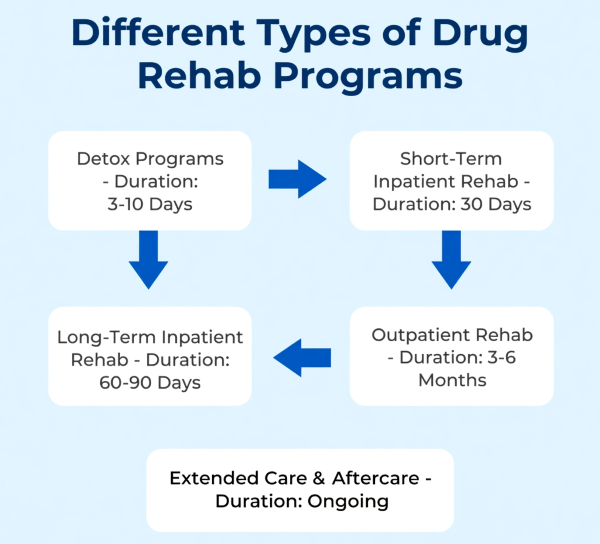
Rehab programs vary in structure and intensity. Choosing the right type depends on individual needs and circumstances.
Common Types
Inpatient or Residential Programs
These programs involve staying at a facility for a set period. They provide a highly professional environment with continuous support.
Outpatient Programs
Outpatient programs allow individuals to live at home while attending scheduled sessions. They are more flexible and suited for less intensive needs.
Intensive Outpatient Programs (IOP)
Intensive Outpatient Programs (IOPs) offer professional support with multiple sessions per week while allowing individuals to maintain daily responsibilities.
Partial Hospitalization Programs (PHP)
Partial Hospitalization Programs (PHP) provide a high level of structure during the day while allowing individuals to return home at night.
Each type of program serves a different purpose within the broader continuum of care.
What Happens During Rehab?
Rehab programs follow professional routines designed to support consistency and progress.
Typical Daily Activities
- Individual counseling sessions
- Group therapy discussions
- Skill-building workshops
- Educational sessions
- Wellness and routine activities
Programs are designed to balance therapy, education, and personal reflection.
Example of a Daily Schedule
Time | Activity | Purpose |
Morning | Group session | Build peer support |
Midday | Individual counseling | Address personal challenges |
Afternoon | Skill-building | Develop coping strategies |
Evening | Reflection or activities | Reinforce daily progress |
Daily structure helps individuals build consistency and reduce uncertainty.
How Long Do Rehab Programs Usually Last?
Rehab duration varies based on individual needs and program type.
Typical Timeframes
Program Type | Duration Range | Structure |
Inpatient | 2 to 4 weeks or longer | Full-time professional environment |
Outpatient | Several weeks to months | Flexible scheduling |
IOP/PHP | Weeks to months | professional but non-residential |
Programs may be adjusted over time based on progress and evolving needs.
What are the Benefits of Going to Rehab?
Professional rehab provides a focused environment that supports change and stability.
Key Benefits
- Consistent support and accountability
- Reduced exposure to triggers
- Access to professional guidance
- Development of practical coping skills
These benefits contribute to long-term progress rather than short-term improvement.
Common Myths About Rehab You Should Know
Misconception 1: Rehab Is Only for Severe Cases
Rehab can benefit individuals at various stages, not just those with severe patterns.
Misconception 2: Rehab Is a Quick Fix
Rehab is part of a longer process and does not guarantee immediate results.
Misconception 3: Rehab Means Isolation
Many programs encourage connection, communication, and support rather than isolation.
Understanding these misconceptions helps create realistic expectations.
How Do You Know If You Need Rehab?
Recognizing when rehab may be beneficial is an important step.
Signs to Consider
- Difficulty controlling substance use
- Impact on daily responsibilities
- Repeated attempts to stop without success
- Increased reliance on substances for coping
Early recognition allows for timely support and better outcomes.
Is Rehab Different for Everyone?
Rehab is not a one-size-fits-all process. Programs are designed to adapt based on individual needs, history, and goals.
Why Rehab Varies
- Different substances or behaviors require different approaches
- Personal circumstances influence structure and duration
- Co-occurring challenges may require integrated support
Some individuals benefit from highly professional residential programs, while others may progress through outpatient care. The goal is to match the level of care with the level of need, ensuring consistency without unnecessary intensity.
Customization improves engagement and helps individuals stay aligned with long-term goals rather than short-term changes.
What Emotional and Behavioral Changes Happen During Rehab?
Rehab is not only about stopping substance use; it also involves noticeable emotional and behavioral adjustments over time. These changes are part of the process of building healthier responses and routines.
Common Emotional Changes
- Increased self-awareness
- Fluctuations in mood during early stages
- Gradual improvement in emotional regulation
These shifts occur as individuals begin to understand triggers, habits, and underlying patterns that influence their behavior.
Behavioral Adjustments
- Establishing consistent daily routines
- Learning new coping strategies
- Reducing impulsive decision-making
Over time, these adjustments help create stability and support long-term progress. While changes may feel challenging initially, they are a normal part of professional support and personal development.
What Makes a Rehab Program Effective?
Component | Purpose | Why It Matters |
Assessment | Understand individual needs | Guides personalized planning |
Therapy | Address behavior and patterns | Supports long-term change |
Routine | Build structure and consistency | Reduces unpredictability |
Education | Increase awareness | Encourages informed decisions |
Aftercare planning | Prepare for life post-rehab | Supports continuity |
Effective rehab programs combine these elements to create a balanced and professional approach. No single component works in isolation; progress typically depends on how these elements function together over time.
Programs that emphasize continuity, rather than short-term completion, are better aligned with sustainable behavioral change.
What are Your Rehab Support and Treatment Options?
professional care focuses on long-term planning and consistent support.
Core Components
- Personalized treatment plans
- Behavioral therapy and counseling
- Monitoring and adjustments
- Aftercare planning
Continuity of care helps maintain progress beyond the initial program.
Ready to learn what rehab can do for you? Call DeLand Treatment Solutions and get the answers you need.
What Happens After You Finish Rehab?
Completing a rehab program is not the end of the process. Ongoing support plays a key role in maintaining progress.
Common Next Steps
- Continuing outpatient support
- Participating in peer groups
- Maintaining professional routines
- Ongoing counseling
These steps help reinforce the progress made during rehab.
How Do You Choose the Right Rehab Program?
Choosing the right program involves evaluating multiple factors.
Key Considerations
- Level of care required
- Program duration
- Location and accessibility
- Approach and structure
Making an informed choice improves alignment with individual needs.
How Does Family Support Help During Rehab?
Support systems can influence recovery outcomes significantly.
How Support Helps
- Encourages accountability
- Provides emotional stability
- Reinforces positive behaviors
Family and social involvement can complement professional programs effectively.
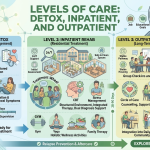
What is the Continuum of Care in Rehab?
Rehab is part of a broader continuum that supports long-term stability.
Stages of Care
- Initial stabilization
- professional rehab program
- Step-down support
- Long-term maintenance
Each stage builds on the previous one, emphasizing gradual progress.
Have questions about rehab? Reach out to DeLand Treatment Solutions and let us help you figure out your next step.

What Should You Know About Rehab?
Rehab is best understood as a structured, evolving process rather than a single solution.
Key Insights
- Progress occurs over time
- Structure and consistency are essential
- Individual needs determine the approach
This perspective supports realistic expectations and informed decisions.
DeLand Treatment Solutions offers professional rehab programs focused on consistency, individualized planning, and ongoing support across different stages of care.
Medical Disclaimer: This article is for informational purposes only and is not a substitute for professional medical advice.
Key Takeaways
- Rehab refers to professional programs supporting behavioral and lifestyle change
- It includes various levels of care such as inpatient and outpatient programs
- Rehab focuses on long-term stability rather than short-term results
- professional routines and support are central to progress
- Ongoing care after rehab is essential for maintaining improvements
- Choosing the right program depends on individual needs and circumstances
FAQs
What does rehab mean in simple terms?
Rehab refers to a professional process that helps individuals address substance use or behavioral challenges. It includes therapy, education, and support aimed at improving daily functioning. Rehab focuses on long-term change by helping individuals build healthier habits, coping strategies, and routines that support stability over time.
How long do rehab programs usually last?
Rehab programs can last from a few weeks to several months depending on the level of care and individual needs. Inpatient programs are typically shorter but more intensive, while outpatient programs may extend longer. Duration often depends on progress, goals, and the type of professional support required.
What happens during a typical rehab day?
A typical rehab day includes professional activities such as counseling sessions, group discussions, educational workshops, and skill-building exercises. Programs also include time for reflection and routine-building. The professional schedule helps individuals stay focused, develop consistency, and practice strategies that support long-term behavioral change and stability.
Is rehab only for severe substance use problems?
No, rehab is not limited to severe cases. Individuals at different stages of substance use or behavioral challenges may benefit from professional programs. Early support can help prevent escalation. Rehab focuses on providing tools and guidance tailored to individual needs, regardless of the severity of the situation.
What happens after completing a rehab program?
After completing rehab, individuals often continue with outpatient support, counseling, or peer groups. Maintaining routines and coping strategies is important for long-term stability. Ongoing support helps reinforce progress made during rehab and provides guidance as individuals adjust to daily life outside professional programs.