In This Blog
- How the body adjusts after quitting alcohol
- Short‑term changes in the first week
- Physical changes in the first month
- Cognitive and sleep improvements
- Long‑term changes over months and year
- Emotional and behavioral adjustments
- Factors influencing change patterns
- Supporting your body after quitting alcohol
Stopping the consumption of alcohol may result in numerous changes in both the body and the mind. Alcohol has an impact on several body systems, among which are the liver, the immune system, the metabolic rate, the nervous system, and even the sleeping cycle. When alcohol consumption ceases or reduces to a substantial level, the body initiates a process of acclimatizing to which it may undergo both short-term and long-term physical transformations.
Changes are classified as some of the changes happen early and can be realized in days or weeks, whereas others take months or more. The alterations are not on a regular basis to all people as each person has different timelines depending on their previous usage, general health, their genes, age, and lifestyle. Knowledge of normal changes aids in making sound decisions and also aids in monitoring improvement with time.
Expert Advice: Physical and cognitive responses after quitting alcohol change gradually and vary based on health status.
Short‑Term Changes: First Few Days After Quitting
When alcohol use stops, the body rapidly begins adjusting to the absence of alcohol’s effects. These short‑term changes reflect the nervous system, metabolic, and emotional adjustments.
Common short‑term changes may include:
- Improved hydration and fluid balance
- Changes in sleep patterns
- Alterations in appetite or digestion
- Mild emotional fluctuation
- Reduced irritability after initial adjustment period
These changes arise because the body is no longer processing alcohol and must regain equilibrium in systems that had adapted to its presence.
Even within the first few days, improvements in hydration can be noticeable. Alcohol is a diuretic, meaning it promotes fluid loss. When drinking stops, fluid balance begins to normalize.
However, early adjustment can also involve discomfort as the body recalibrates functions that have adapted to regular alcohol exposure.
Physical Changes in the First Month
As days turn into weeks, the body continues to adjust. Many people notice improvements in physical parameters, especially if alcohol use had been moderate to heavy.
Body Changes Observed in First Month After Quitting Alcohol
Body System | Common Changes | Typical Timeline |
Hydration balance | More stable fluid levels | Days to weeks |
Sleep regulation | Improved sleep quality | 2–4 weeks |
Energy levels | More consistent energy | 3–4 weeks |
Skin and complexion | Improved hydration, clarity | 3–6 weeks |
Digestive comfort | Less irritation, bloating | Weeks |
These changes reflect the body’s ability to restore normal metabolic and nervous system functioning. For many individuals, sleep quality begins to improve as alcohol is no longer disrupting sleep cycles. Energy levels also tend to stabilize as the body uses nutrients more efficiently rather than metabolizing alcohol.
FACT: The body begins to adjust physiologically within days of quitting drinking
Cognitive and Sleep Improvements
Alcohol affects neurotransmitter systems that regulate mood, alertness, and sleep cycles. When alcohol use ends, these systems begin to recalibrate.
Improvements observed over weeks may include:
- Fewer disruptions in sleep cycles
- Reduced daytime fatigue
- Greater mental clarity
- Enhanced focus and memory consistency
Although some individuals report initial sleep disturbances especially during early adjustment, sleep patterns often improve over the first few weeks as the body removes alcohol’s influence on sleep architecture.
Cognitive improvements, such as clearer thinking and improved concentration, often follow patterns of better sleep and more balanced neurotransmitter regulation.
Long‑Term Changes Over Months and a Year
As months pass after quitting alcohol, more systemic changes become evident. These changes reflect gradual improvements in organ functioning, hormonal balance, and immune response.
Typical long‑term changes may include:
- Liver recovery and reduced fatty infiltration
- Improved cardiovascular markers
- Better immune responsiveness
- Stabilization of blood sugar regulation
- Reduced inflammation throughout the body
Timeline | Typical Observations |
1–3 months | Increased stamina and endurance |
4–6 months | Liver enzyme improvements (if elevated) |
6–12 months | Reduced long‑term inflammation |
1 year+ | Sustained metabolic stability |
Long‑term changes depend on individual factors such as initial liver health, body composition, and lifestyle habits like diet and exercise. For individuals with moderate to heavy prior use, longer timelines may be needed for measurable organ‑level improvement.
Emotional and Behavioral Adjustments
Quitting alcohol often involves emotional adjustments as well as physical ones. Changes in the way the body functions can influence mood and behavior.
Common emotional or behavioral responses after quitting alcohol may include:
- Increased emotional awareness
- Mood variability as the body adjusts
- Greater ability to respond to stressors without alcohol
- Changes in social engagement patterns
Emotional responses vary widely. Some individuals experience relief, reduced anxiety, or enhanced clarity over time, while others may navigate discomfort as the body and mind adapt to new routines.
Changes in behavior often revolve around new habits, routines, and coping strategies that support long‑term well‑being.
Factors Influencing Change Patterns
Not everyone experiences the same changes on the same timeline. Several variables influence how the body responds when alcohol use stops.
Important factors include:
- Length and intensity of past alcohol use
- Age and genetic predispositions
- Overall physical health and activity level
- Sleep quality and stress levels
- Nutrition and hydration habits
Individuals with longer histories of heavier alcohol use may take more time to see noticeable improvements, especially in organ‑level changes like liver function. Conversely, individuals with lighter or shorter‑term use may notice changes sooner.
Influencing Factor | Impact on Change Patterns |
Duration of use | Longer use may extend recovery time |
Physical fitness | Higher fitness often accelerates adaptation |
Sleep patterns | Consistent sleep supports adjustment |
Stress levels | High stress may slow adjustment |
Nutrition | Balanced diet promotes recovery |
Understanding these influences helps set realistic expectations rather than assuming uniform outcomes.
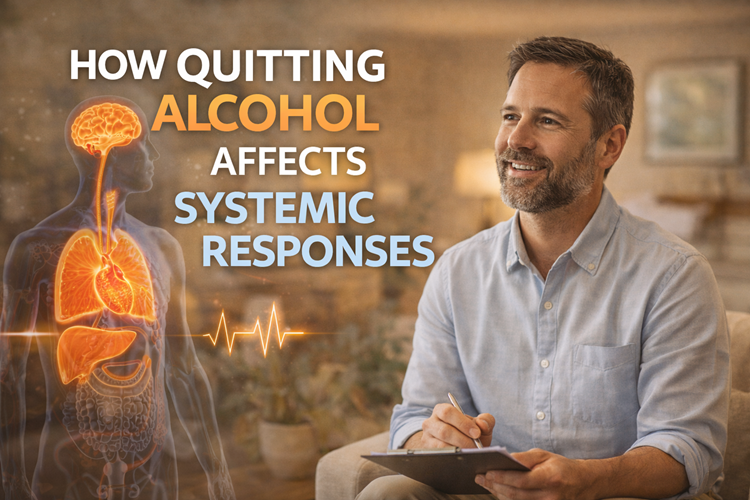
How Quitting Alcohol Affects Systemic Responses
Quitting alcohol affects many body systems beyond just the liver and nervous system. For example, the immune system, hormonal regulation, and metabolism may respond to the absence of regular alcohol exposure.
Some changes that may be observed include:
- Enhanced immune responsiveness
- Reduced inflammatory signals in the body
- More stable blood sugar responses
- Improvements in cardiovascular indicators
Because alcohol can influence inflammatory pathways and stress hormone regulation, removing it from daily intake often leads to measurable changes in systemic physiology over time.
For help understanding body adjustment patterns after quitting alcohol, contact DeLand Treatment Solutions
Supporting Physical Health After Quitting Alcohol
Supporting the body after quitting alcohol involves attending to nutrition, hydration, sleep, physical activity, and stress management. These lifestyle factors interact with the body’s adjustment processes and can enhance overall well‑being.
Key supportive practices include:
- Eating a balanced diet rich in antioxidants and vitamins
- Staying well hydrated to support metabolic processes
- Engaging in regular physical activity to enhance circulation and mood
- Practicing stress management techniques such as breathing exercises, meditation, or gentle movement
- Prioritizing consistent, quality sleep
Consistency in these areas supports the body’s ability to adapt and recover organically over time.
When to Seek Structured Support
While many physical and cognitive changes occur gradually after quitting alcohol, some individuals encounter persistent challenges. These may include ongoing sleep disruption, emotional fluctuations, or difficulty adapting routines.
Seeking structured evaluation and support can help clarify individual patterns and plan strategies tailored to personal needs. A professional assessment can provide insight into physical adjustments and help align support with goals for sustained well‑being.
Discuss physical and behavioral responses after quitting alcohol with DeLand Treatment Solutions
Structured planning is not limited to managing discomfort; it also supports long‑term healthy habits and continuity of care beyond the initial adjustment phase.
DeLand Treatment Solutions provides individualized support planning that addresses physical, emotional, and behavioral adjustments when individuals quit alcohol use. Their approach integrates professional oversight, assessment, and continuity planning in a supportive environment that respects autonomy and long‑term well‑being.
Medical Disclaimer: This blog is for informational purposes only and is not a substitute for professional medical advice.
Key Takeaways
- Quitting alcohol triggers short‑ and long‑term bodily adjustments
- Hydration and sleep patterns often improve rapidly
- Organ‑level changes unfold over weeks to months
- Emotional responses vary as physiological systems recalibrate
- Supportive lifestyle practices enhance recovery adaptation
FAQs
What happens immediately after you quit drinking?
Within days of quitting alcohol, the body begins adjusting fluid balance and nervous system activity. Early improvements often include reduced dehydration, stabilization of heart rate, and initial shifts in sleep patterns. Individual timelines vary, but these early physiological changes lay the groundwork for longer-term recovery and improved well-being.
How long until sleep improves after quitting alcohol?
Sleep quality often begins to normalize within two to four weeks after stopping alcohol, though responses differ among individuals. Factors such as prior drinking patterns, stress levels, and preexisting sleep routines influence improvement. Continued abstinence and supportive habits can further enhance sleep consistency and overall restorative rest.
Does quitting drinking improve organ function?
Yes. Sustained abstinence from alcohol allows organs, particularly the liver and metabolic systems, to recover and function more efficiently. Improvements may include better liver enzyme levels, more balanced blood sugar regulation, and reduced oxidative stress. These changes depend on duration of abstinence and overall lifestyle support.
Are emotional changes expected after quitting alcohol?
Yes. Mood fluctuations and shifts in emotional awareness often occur as the nervous system adjusts to the absence of alcohol. Individuals may notice heightened sensitivity or irritability initially, followed by more stable mood regulation over weeks or months. Awareness and supportive strategies help manage these emotional transitions.
When should I seek professional support after quitting?
Professional support is recommended if persistent discomfort, disrupted sleep, emotional instability, or physical symptoms continue after quitting. Structured evaluation can identify underlying issues, provide guidance on coping strategies, and help ensure safe, sustainable adjustment, particularly for individuals with longer histories of heavy alcohol use or prior withdrawal complications.
References
- https://www.addictioncenter.com/community/first-year-after-you-stop-drinking/
- National Institute on Alcohol Abuse and Alcoholism
- Substance Abuse and Mental Health Services Administration
- Centers for Disease Control and Prevention
- National Institute of Health
- American Psychological Association
- National Alliance on Mental Illness
- PubMed