Key Takeaways
- Addiction is a chronic, treatable condition that affects brain function and behavior.
- Recovery happens in stages, each with its own goals and challenges.
- Timelines vary, but progress is measurable and meaningful at every step.
- Aftercare is essential for long-term stability and relapse prevention.
- With the right support, an addiction to quit can become a sustainable recovery.
What is Addiction: Addiction Recovery or Stages is a question that many people secretly worry about nowadays, whether they are worried about themselves or a loved one. Addiction is not a weakling or weak will; it is a change of the brain to respond to stress response and reward as well as decision. The encouraging fact is that we are able to recover and it follows specific stages of the addiction recovery process that are acquired. Being aware of those stages can make one feel significantly less terrified and there can be a lot less inadequacy to get rid of an addiction.
The recovery process at DeLand Treatment Solutions is not an occurrence; it is a progressive process that is facilitated, and recovery is the attainment of recovery of the medical process, emotional support and practical life skills. The guide determines the meaning of the term “addiction” and briefly covers the stages of the addiction recovery process using language that is easy to understand to know your progress and set realistic expectations and be able to take decisive actions forward.
What is Addiction
The addiction will take place once the habitual use of compulsive actions changes the reward system of the brain. After some time, the brain begins to prioritize the substance over health, relationships and responsibilities. It does not involve bad character or bad judgment but the patterns which are acquired within the brain and difficult to abandon without help.
At many phases, the addiction is yet to establish itself, hence at these phases the warning signs are visible as taking more than one desires. How strongly they desire something, feeling down or exercising willpower, although it’s taking its toll even though its aspects are harmful. As an addiction progresses, it becomes hard to just lose it and suffer the symptoms of withdrawal and psychic pain, and this is the reason why the role of professional help, in most instances, becomes very important. Knowing What Addiction is: Levels of Addiction Recovery suggests that people would have something to say about where they are at and a way to go better.
Take your first step toward recovery with compassionate care at Deland Treatment Solutions today now
Stages of Addiction Recovery
The cure is not always vertical but most of the time follows known stages. This knowledge of these stages will help to normalize the failures, minimize shame, and remain motivated in the drug addiction quitting process.
1) Acknowledgment and Readiness
The stage begins with the awareness or recognition of the problem stage, in which it has been realized that the substance use is no longer healthy and that something must be done. This might feel like shaky ground over there, and thus, the non-judgmental, understanding kindness is especially useful.
2) Detox and Stabilization
Detox has apprehension over the bodily addiction to the substances. The medical control is applicable in managing the withdrawal symptoms because even after the body and brain stabilize, withdrawal symptoms will be addressed safely.
3) Active Treatment
The systematic treatment and therapy help people to learn triggers, coping techniques and solutions to issues related to them and to other related mental disorders. It is against this that behavior and emotion can be changed in a big way.
4) Early Recovery
As the intensity of treatment is reduced, people begin to utilize new skills within the real-life setting. Even though a relapse is still possible, routines and support groups can be helpful to achieve a sense of tranquility.
5) Maintenance and Growth
The long-term recovery is directed to significance, fraternity and power. It is not simply the non-consumption of substances but the establishment of a full and absolute life, which is not based on addiction.
How Long Does Each Stage of Addiction Recovery Take?
The time taken to recover also varies according to different substances, the amount of time used, physical health, psychiatric disorders and supplements .Detox experience may take days or even two weeks. Varying between 30 and 120 days is a common of treatment period and several months is a common period of early recovery. Maintenance is ongoing. When people ask questions in the form of “What is Addiction: Stages of Addiction Recovery,” it is significant to take into account that speed cannot be valued in comparison with progress. Healing has to do with an individual and sustainable change is the most crucial aspect.
What is the Importance of Aftercare?
Aftercare is aimed at providing treatment to individuals who are receiving it and moving to normal daily living. It may be outpatient therapy, self-help groups, medications, sober living residing, and regular check-ins; the aftercare goes a long way to reduce the chances of relapse by supporting the new skills gained during the treatment program and by addressing accountability to life stressors. Aftercare becomes the safety net of any individual who has made choice to stop consumption of addiction; the short-term benefits will be translated into long-term success.
Interrupting the Cycle
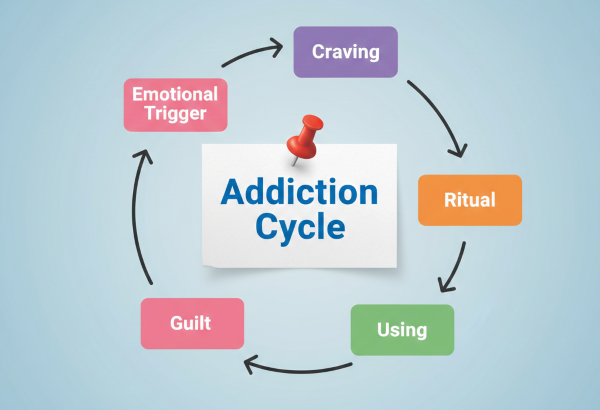
The process of addiction is highly cyclic: stimuli, want, intake, result, and recidivism. This cycle is overcome in recovery, which teaches people to come up to detect early signs of warning knowledge and respond with a different response. Wave surfing, dealing with stress, good behaviors, and telling the truth just are just a few examples of skills that will sabotage this cycle in the long run. Learning What is Addiction: Stages of Addiction Recovery subjects individuals to the capability of changing patterns but not reproducing them.
Finding Help for Addiction
Assistance to needy people is not a simple thing to undertake, yet this is one of the most effective ways of effecting lasting transformations. The whole care is normally comprised of the medical follow-up, therapy, family assistance, and aftercare. Being willing to stop an addiction, whether personal or a family member, professional assistance can be safer, more organized, and optimistic.

Ready to take the next step? Contact DeLand Treatment Solutions and call an understanding admissions specialist. We will help to utilize the treatment options, examine the insurance, and create the recovery plan that suits your lifestyle. Your recovery can start now.
Healing is not an individual business, but a process. What is addiction: stages of addiction recovery talks to you in case you would want to contact it today. With proper treatment and treatment for an Addiction to quit, a rebuilt life may result.
Disclaimer
This content is for informational and educational purposes only and is not intended to replace professional medical, psychological, or mental health advice. Always seek guidance from a qualified healthcare provider regarding diagnosis, treatment, or recovery options.
Frequently Asked Questions
What are the stages of addiction recovery?
The stages typically include readiness, detox, active treatment, early recovery, and maintenance. Each stage builds on the last, addressing physical stabilization, emotional healing, and long-term lifestyle change for lasting recovery.
What are the 4 stages of the addiction cycle?
The addiction cycle often includes triggers, cravings, substance use, and consequences. Recovery works by interrupting this loop with coping skills, support, and healthier responses to stress and emotional discomfort.
What are the 5 levels of recovery?
Five commonly referenced levels include stabilization, early abstinence, sustained recovery, advanced recovery, and maintenance. These levels reflect growing confidence, stability, and engagement in a meaningful, substance-free life.
What are the 5 stages of rehab?
Rehab often follows assessment, detox, therapy, skill-building, and transition planning. Each stage prepares individuals for the next, ensuring safety, insight, and practical tools for life after treatment.
What are the 5 stages of change in addiction?
The stages of change are precontemplation, contemplation, preparation, action, and maintenance. People may move back and forth, but each stage increases readiness and commitment to recovery.
What are the 7 steps of addiction?
Seven steps often include awareness, acceptance, detox, treatment, coping skill development, aftercare, and long-term maintenance. Together, these steps support physical healing, emotional growth, and relapse prevention.