In This Blog:
- Understanding the biological roots of depressive disorders
- Evidence-informed behavioral therapy options
- The role of lifestyle and nutritional adjustments
- Navigating the benefits of professional support settings
- Long-term strategies for emotional stability
Depression is a complicated mental illness, which impacts millions of people, making them unable to work, sleep, and enjoy their lives. Although the term is commonly applied in an informal sense, mental health workers are interested in long-term remission and stability achieved with the help of evidence-based intervention.. These interventions are aimed at solving the chemical imbalances in the brain and equip individuals with the means of handling their emotional health. It is knowledge of the paths to wellness that will help in getting back to the purpose and a sense of vitality.
To overcome a depressive episode, it is necessary to be in a monitored environment, the physical and mental needs of the individual are put in the first place. Without professional supervision, the signs of ongoing sadness and listlessness might become overwhelming, and it becomes hard to continue leading normal lives.
This guide will also cover the best science-based strategies for overcoming depression and how organized recovery services are critical to creating a healthy sustainable lifestyle.
Expert Advice: A professional support environment offers essential tools for managing complex mental health conditions.
Can Cognitive Behavioral Therapy (CBT) Help Cure Depression?
Cognitive behavioral therapy is one of the most effective evidence-based treatments for managing depression. This approach focuses on identifying and changing negative thought patterns that contribute to feelings of hopelessness.
By challenging these thoughts, individuals can alter their emotional responses and behaviors. In a treatment environment, CBT is often used to help people develop practical coping skills that they can apply to real-world stressors.
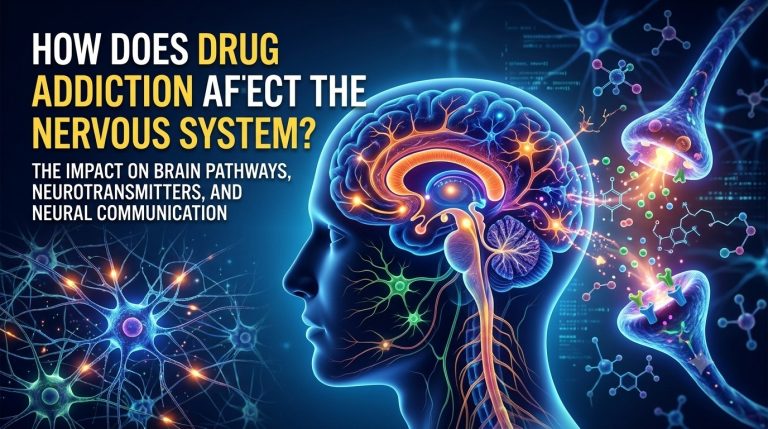
Does Brain Chemistry Cause Depression?
Depression is frequently linked to imbalances in neurotransmitters such as serotonin and dopamine. Addressing these biological factors is a core component of many professional recovery services.
Approach Type | Method of Action | Primary Benefit |
Pharmacotherapy | Balancing brain chemicals | Stabilizing mood and increasing energy |
Neurostimulation | Targeting specific brain regions | Support for treatment-resistant cases |
Nutritional Therapy | Supporting gut-brain health | Enhancing overall physiological wellness |
Sleep Hygiene | Regulating circadian rhythms | Improving cognitive function and mood |
FACT: Depression is a leading cause of disability worldwide for adults.
What If You Have Depression and Another Condition at the Same Time?
It is common for depression to exist alongside other concerns, such as anxiety or substance use. When multiple conditions are present, an integrated approach within a supervised support system is necessary for success.
Treating only one aspect of a person’s health while ignoring others often leads to incomplete recovery. Professional recovery services ensure that all psychological and physical symptoms are addressed simultaneously for a more stable outcome.
Condition Pair | Common Interaction | Integrated Goal |
Depression & Anxiety | Increased social withdrawal and fear | Building confidence and emotional calm |
Depression & Use | Self-medicating to numb emotional pain | Addressing root causes of distress |
Depression & Trauma | Numbness as a defense mechanism | Processing past events in safety |
When Do You Need Professional Help for Depression?
Navigating a major depressive disorder without professional oversight can be dangerous, as it increases the risk of isolation and self-harm. A monitored setting provides a safety net that is impossible to replicate alone.
Professionals can track an individual’s progress and provide immediate intervention if symptoms worsen. This level of care is essential for ensuring that the individual remains safe while they work through the most difficult phases of their journey.
How to Build Emotional Strength During Depression Recovery
Long-term wellness involves more than just the absence of sadness; it requires the presence of resilience. Recovery services focus on helping individuals find meaning and connection in their lives once again.
This often involves participating in group sessions where individuals can share their experiences and learn from others. These social connections are vital for reducing the feelings of loneliness that often accompany depressive conditions.
How Integrated Recovery Services Help With Long-Term Depression
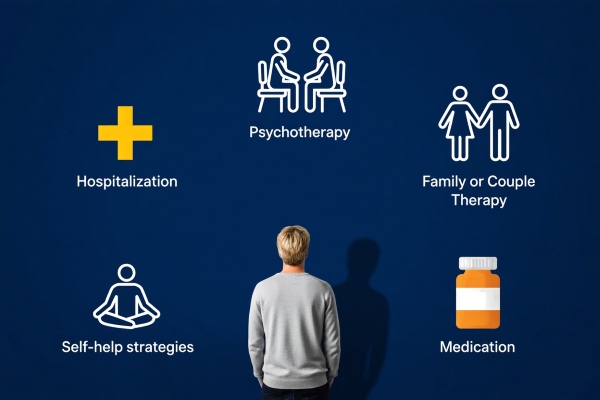
The most effective path to wellness involves a combination of therapy, biological support, and social connection. Integrated recovery services ensure that these elements work together to support the whole person.
Continuity of care is a hallmark of professional oversight, ensuring that individuals have access to resources even after they transition out of a high-intensity treatment environment. This long-term focus is the key to maintaining emotional stability.
Why Sticking to a Routine Helps You Recover From Depression
Establishing a routine is one step, but consistently reinforcing it over time is equally important in managing depression. Repetition of structured daily activities, such as regular sleep, meals, and scheduled tasks can gradually restore a sense of predictability and stability.
This reinforcement helps reduce mental fatigue associated with decision-making and supports steady emotional regulation.
Why Recovery From Depression Takes Time and That’s Okay
Recovery from depression is often non-linear, with periods of improvement and setbacks. Setting realistic, achievable goals allows individuals to recognize progress without becoming discouraged by temporary challenges.
Focusing on gradual improvement rather than immediate change can support sustained motivation and long-term emotional stability.
Daily Habits That Help Manage Depression
Habit | Purpose | Potential Impact |
Consistent Sleep Schedule | Regulates the internal body clock | Improves mood and energy levels |
Regular Physical Activity | Releases endorphins | Reduces stress and anxiety |
Balanced Nutrition | Supports brain function | Enhances overall well-being |
Scheduled Activities | Provides structure | Reduces feelings of uncertainty |
Social Interaction | Builds connection | Decreases isolation |
How Self-Awareness Helps You Manage Depression Better
Developing self-awareness can help individuals recognize patterns in mood, behavior, and thought processes. This includes noticing early shifts in energy levels, motivation, or emotional responses.
By identifying these patterns, individuals can respond proactively rather than reactively, using learned strategies to maintain stability and prevent worsening symptoms.
How Your Environment Affects Your Depression
Physical and social environments can significantly affect how depression is experienced and managed. Factors such as noise levels, living conditions, and daily surroundings may either support calmness or contribute to stress.
Creating a stable, low-stress environment with supportive interactions can help reinforce positive behaviors and make it easier to maintain progress over time.
Life After Depression, What Recovery Can Look Like
Choosing to seek help for depression is a courageous step toward a brighter future. Many find that the support found in a treatment environment allows them to finally move past the weight of their symptoms.
The focus remains on achieving a life defined by health and purpose rather than struggle. Through professional oversight and a structured plan, the journey toward emotional wellness becomes a clear and achievable path for any individual.
Recovery from depression is possible, and you don’t have to do it alone. Call DeLand Treatment Solutions at (386) 866-8689 and take the first real step forward.
Medical Disclaimer: This article is for informational purposes only and is not a substitute for professional medical advice.
Key Takeaways
- Depression management focuses on achieving long-term remission through evidence-based care.
- Cognitive Behavioral Therapy is a primary tool for changing negative thought patterns.
- Biological factors, including brain chemistry, must be addressed for total wellness.
- A monitored setting provides the safety needed for individuals to process deep emotional pain.
- Sustainable stability is achieved through integrated recovery services and long-term professional oversight.
FAQs
Can depression be fully cured forever?
While some people experience a single episode, many manage depression as a chronic condition. Professional recovery services focus on achieving remission, where symptoms are absent for long periods. A monitored setting provides the tools needed to maintain this stability throughout your life.
How long does it take to feel better?
The timeline for wellness varies for every individual and depends on the severity of the symptoms. Some may notice improvements in a few weeks, while others require longer. Professional oversight ensures that your plan is adjusted to support your unique pace of healing.
Is medication always necessary for recovery?
Medication is not required for everyone, but it can be a vital tool for stabilizing brain chemistry. It is most effective when used within a supervised support system alongside therapy. A treatment environment allows for a professional assessment to determine the best path for you.
What is the best type of therapy?
Cognitive Behavioral Therapy (CBT) and Dialectical Behavior Therapy (DBT) are highly effective for managing depressive symptoms. The best approach depends on your specific needs and history. Professional recovery services offer a variety of therapeutic options to ensure a personalized fit for every individual.
Can lifestyle changes replace professional care?
Lifestyle changes like exercise and diet are excellent supports, but they are rarely a substitute for professional oversight in severe cases. They work best when integrated into a comprehensive plan within a treatment environment. Combining these strategies offers the strongest foundation for long-term emotional health.