Perhaps you’re suffering from depression and are concerned about the side effects of antidepressant medications. Perhaps you have heard of people becoming addicted to a drug. Maybe you just prefer to try non-medication approaches first. Perhaps you have given medicines a try and the results were not beneficial for you. Regardless of why you have been asking about depression treatment without medicine, here is the good news: numerous approaches for treating depression are effective, evidence-based and do not require taking pills.
In fact, it has been demonstrated that for mild to moderate depression, therapy, exercise and lifestyle changes may be just as beneficial as medication. Let’s look at what works to help you manage your mental health.
Can You Deal with Depression Without Medication?
In many cases, you can control depression and even recover without medication.
The short answer is yes. For mild to moderate depression, Non-medication interventions can be very effective in treating mild to moderate depression. The research of these top institutions always reveals that therapy, physical activity and lifestyle changes achieve mood improvement, just as medications do, but without the side effects.
A 2026 Cochrane review analyzed dozens of rigorous studies and found that regular exercise produces mood improvements comparable to both therapy and medication. Other studies show that Cognitive Behavioral Therapy (CBT) alone can be as effective as antidepressants.
The important thing to understand is that this doesn’t mean you should never take medication. For severe depression, medication can be lifesaving. For some people, medication is necessary and beneficial. The point is that you have options. You can start with non-medication approaches for mild depression. You can combine approaches. You can work with professionals to find what works best for your situation.
“For mild to moderate depression, non-medication strategies like therapy, exercise, and structured support can be very effective, especially when combined.” – Serenity Mental Health Centers
Non-medication Treatments: Exercise
If there’s one non-medication treatment with the strongest evidence, it’s exercise.
Regular physical activity literally changes your brain chemistry. Exercise increases blood flow to the brain and promotes production of mood-regulating chemicals like serotonin and dopamine. These are the same chemicals that antidepressant medications target. The difference is that exercise achieves this naturally, with bonus benefits to your physical health.
Research shows specific exercise recommendations for depression:
- Frequency and Duration: Moderate exercise about 5 times per week for 30 minutes produces dramatic mood improvements. You’re looking for a level of intensity where it’s hard to sing from your diaphragm while doing it.
- Type of Activity: Almost any activity works. Walking, jogging, cycling, swimming, yoga, strength training, dancing, or sports all show benefits. You don’t need a gym membership or fancy equipment. A daily walk is a legitimate treatment.
- Intensity Level: Interestingly, light to moderate activity actually works better than intense workouts for overall mental health. Gentle cycling, walking, swimming, and yoga all showed benefits in research. The sweet spot is 13 to 36 sessions of moderate activity over several weeks.
- Group Activity: Exercising with others provides additional benefits because of the social connection component. Group fitness classes, sports teams, or walking with a friend combines the mental health benefits of exercise with the benefits of social interaction.
The mechanism is powerful. Exercise boosts mood-regulating neurotransmitters while supporting overall brain function. It improves cardiovascular health, increases energy levels, enhances sleep quality, and reduces anxiety. All with virtually no adverse effects compared to medications.
Therapy
Therapy is one of the most evidence-based depression treatments available, with or without medication.
Cognitive Behavioral Therapy (CBT) specifically targets the thought patterns that drive depression. CBT is based on the understanding that our thoughts affect our feelings, which affect our behaviors. When you’re depressed, your thinking gets distorted. You might think, “I’m a failure,” “Nothing will ever get better,” or “Everyone would be better off without me.” These thoughts feel true, but they’re distorted. CBT teaches you to recognize these patterns and replace them with more realistic, balanced thoughts.
Other therapy approaches also work well:
- Dialectical Behavior Therapy (DBT) focuses on emotional regulation, distress tolerance, mindfulness, and interpersonal effectiveness. It’s particularly helpful if depression involves intense emotions or self-harm urges.
- Interpersonal Therapy (IPT) addresses relationships and life roles. Depression often develops in the context of relationship problems or major life changes. IPT helps you improve your relationships and adjust to changes.
- Psychodynamic Therapy explores how past experiences and unconscious patterns affect current depression. It’s slower than CBT but can be deeply helpful for understanding root causes.
All of these approaches provide a safe space to talk about what you’re experiencing, learn new skills, and get professional guidance. Studies consistently show that therapy is as effective as medication for mild to moderate depression. The advantage is that you learn coping skills you keep forever.
“Therapy gives you a structured, safe place to understand your depression and learn new ways to respond to it.” – GHolistiq
Sleep: The Foundation of Mental Health
Depression and sleep problems are closely intertwined. Poor sleep worsens depression, and depression disrupts sleep.
Improving your sleep is one of the most powerful things you can do for depression without medication:
- Consistent Sleep Schedule: Go to bed at the same time every night and wake up at the same time every morning, even on weekends. This trains your body’s internal clock.
- Sleep Environment: Make your bedroom dark, quiet, and cool. Remove screens and work-related items. Make it a place your brain associates with sleep only.
- No Screens Before Bed: The blue light from phones, tablets, and computers suppresses melatonin production. Stop screen time at least an hour before bed.
- Avoid Caffeine and Alcohol: Caffeine close to bedtime disrupts sleep. Alcohol might help you fall asleep but disrupts sleep quality. Avoid both in the evening.
- Relaxation Techniques: Deep breathing, progressive muscle relaxation, or guided meditation help calm your nervous system before bed.
Sleep deprivation worsens depression dramatically. Conversely, improving sleep often leads to noticeable mood improvement within days. Don’t underestimate the power of good sleep.
Seeking help from DeLand Treatment Solutions provides essential guidance
Nutrition: Eating Your Way to Better Mood
What you eat affects how you feel.
A balanced diet rich in nutrients supports mental health. Key nutrients for mood include:
- Omega-3 Fatty Acids: Found in fish, flaxseed, and walnuts, these are important for brain health and mood regulation.
- B Vitamins: These support brain function and mood. Sources include whole grains, leafy greens, and legumes.
- Protein: Amino acids from protein are building blocks for mood-regulating neurotransmitters.
- Fruits and Vegetables: These provide antioxidants and nutrients that protect brain health.
- Conversely, avoid or minimize:
- Processed Foods: These are often high in sugar and low in nutrients, potentially worsening mood swings.
- Excessive Sugar: Sugar spikes and crashes can worsen depression and anxiety.
- Too Much Caffeine: While moderate caffeine is okay for some people, excessive caffeine can increase anxiety.
You don’t need a complicated diet. Just eat balanced meals with plenty of whole foods. Avoid binge eating junk food, which temporarily feels good but actually worsens depression. If you’re struggling with nutrition, consider consulting a nutritionist.
Social Connection: You Need People
Isolation is one of depression’s worst features. Fighting isolation is one of your best strategies.
Humans are social creatures. We need connection to thrive. When depressed, the natural impulse is to withdraw. This makes depression worse. You have to fight this impulse.
- Face-to-Face Interaction: In-person time with friends and family significantly improves mental health. Even brief interactions matter. Aim to see people regularly, even if you don’t feel like it.
- Group Activities: Joining groups or classes provides structure and forced social interaction. Sports teams, hobby groups, volunteer organizations, or community projects all work.
- Online Communities: If leaving the house is difficult, online support groups and forums create connection and reduce isolation.
- Quality Over Quantity: You don’t need dozens of friends. A few genuine, supportive relationships are better than many shallow connections. Spend time with people who lift you up, not people who bring you down.
- Ask for Help: Telling people you’re struggling makes them aware you need support. Many people want to help but don’t know. Be vulnerable and ask.
Sunlight and Light Therapy: The Power of Light
Sunlight is a natural mood regulator that’s often overlooked.
Sunlight exposure:
- Regulates Circadian Rhythms: Sunlight controls your internal sleep-wake clock, which affects hormone production and mood.
- Increases Serotonin: Sunlight stimulates serotonin production, the main mood-regulating neurotransmitter.
- Provides Vitamin D: Sunlight triggers vitamin D production, which is linked to mood regulation. Vitamin D deficiency is associated with depression.
- Improves Energy: Light exposure increases alertness and energy levels.
Even 15 to 20 minutes of daily sunlight makes a significant difference. If you live somewhere with limited sunlight or have seasonal depression, light therapy devices can help. Light boxes or light therapy visors used for 20 to 30 minutes daily can alleviate depression symptoms, especially seasonal affective disorder (SAD).
Mindfulness and Meditation: Calming Your Mind
Mindfulness and meditation help you manage depressed thinking patterns.
Mindfulness is the practice of paying attention to the present moment without judgment. Depression often involves rumination (obsessing over the past) or catastrophizing (worrying about the future). Mindfulness brings you back to now.
- Basic Meditation: Sitting quietly and focusing on your breath for 10 to 20 minutes daily reduces stress and improves mood. Apps like Headspace and Calm make it easy to start.
- Mindfulness-Based Stress Reduction (MBSR): This structured program combines meditation with yoga. Research shows it helps with depression and anxiety.
- Body Scan: Lying down and moving your attention slowly through your body from head to toe helps you become aware of tension and relax.
- Mindful Walking: Walking while paying attention to your senses (what you see, hear, feel) combines meditation with exercise.
These practices activate the parasympathetic nervous system, which quiets your stress response. Over time, they increase self-compassion and reduce rumination. Even five minutes daily helps.
Journaling: Processing Your Emotions
Writing about your thoughts and feelings is a powerful therapeutic tool.
Journaling:
Processes Emotions: Writing gets feelings out of your head and onto paper, creating distance from overwhelming emotions.
Identifies Patterns: By writing regularly, you start seeing patterns in your thinking and behavior that you might not notice otherwise.
Problem-Solving: Writing helps you think through problems and brainstorm solutions.
Tracking Progress: Over time, you can see how your mood and thinking improve.
Types of Journaling:
- Free Writing: Write whatever comes to mind without censoring yourself
- Gratitude Journaling: Focus on things you’re grateful for to shift attention toward positives
- Structured Journaling: Use prompts or follow a structured format
Even 10 minutes daily of journaling shows mental health benefits.
Nature and Outdoor Time: Green Therapy
Spending time in nature reduces depression symptoms.
Nature exposure:
- Reduces Stress Hormones: Time in natural environments lowers cortisol (stress hormone) levels.
- Improves Mood: Research from the American Psychological Association shows nature reduces depression symptoms.
- Provides Perspective: Being in nature reminds you that your problems are part of a larger world.
- Encourages Activity: Hiking, walking, and outdoor activities combine nature exposure with exercise.
- Offers Mindfulness Opportunity: Nature naturally draws your attention to the present (sounds, sights, sensations).
You don’t need wilderness. A park walk, sitting under a tree, or even opening a window to get fresh air helps. Fifteen minutes in nature makes a difference.
Comparison: Different Non-Medication Approaches
Here’s how various strategies compare:
Strategy | Effectiveness for Mild Depression | Effectiveness for Moderate Depression | Time to See Results | Cost | Effort Required |
Exercise | Excellent | Very Good | 2-4 weeks | Low | High |
Therapy (CBT) | Excellent | Excellent | 4-8 weeks | Moderate | Moderate |
Sleep Improvement | Very Good | Very Good | Days to weeks | Low | Moderate |
Nutrition Changes | Good | Good | 2-4 weeks | Low | Moderate |
Social Connection | Very Good | Good | Days to weeks | Low | High |
Sunlight/Light Therapy | Very Good | Moderate | 1-2 weeks | Low to Moderate | Low |
Mindfulness/Meditation | Good | Good | 2-4 weeks | Low | Moderate |
Journaling | Good | Moderate | 2-4 weeks | Very Low | Low |
Nature Time | Good | Moderate | Days to weeks | Low | Low |
Brain Stimulation Therapy | N/A | Excellent | 2-4 weeks | High | Low |
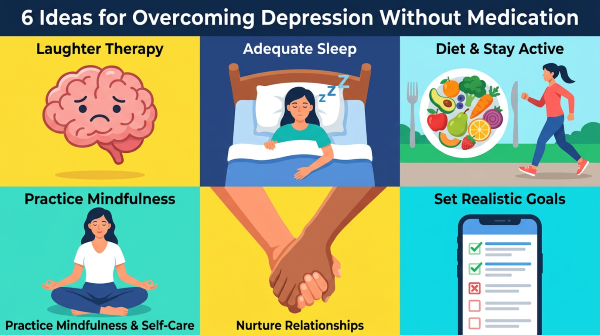
When Do You Need Medication for Depression
Non-medication approaches don’t work for everyone or every situation.
You might need medication if:
- Depression is Severe: Severe depression often requires medication. When you’re so depressed you can’t get out of bed or are having suicidal thoughts, therapy alone might not be enough.
- Non-Medication Approaches Aren’t Working: You’ve tried therapy, exercise, sleep improvement, and other strategies for several months with minimal improvement. This is a sign that medication might help.
- You Have a Family History: If depression runs in your family, you might have a biological predisposition that responds better to medication.
- You Have Another Condition: Some conditions like bipolar disorder typically require medication.
- You’re Having Suicidal Thoughts: Suicidal thinking is a medical emergency requiring immediate help, possibly including medication.
Taking medication is not a failure. It’s not a weakness. It’s taking care of your brain the same way you’d take insulin for diabetes. The best approach is often a combination: therapy plus medication plus lifestyle changes.

Getting Help at DeLand Treatment Solutions
If you’re struggling with depression, professional help can make all the difference.
DeLand Treatment Solutions in DeLand, Florida, offers comprehensive depression treatment. Whether you want to try non-medication approaches first, combine approaches, or use medication, we can help.
Our services include:
- Individual therapy using evidence-based approaches like CBT
- Group therapy for support and connection
- Specialized depression treatment programs
- Sleep improvement therapy
- Medication management if needed
- Family therapy to strengthen relationships
- Holistic approaches including mindfulness and wellness
We understand that depression is complex and individual. We work with you to create a personalized treatment plan that matches your needs, preferences, and values.
If you’re ready to address your depression and reclaim your life, call us or visit our contact page. Our team is available 24/7, and all conversations are completely confidential.
FAQs
Q: Is it really possible to recover from depression without medication?
Yes, especially for mild to moderate depression. Research consistently shows that therapy, exercise, and lifestyle changes can be as effective as medication. For severe depression, you might need medication, but many people benefit from medication plus non-medication approaches.
Q: How long does it take to feel better without medication?
Most people start seeing improvements within 2 to 4 weeks if they consistently use multiple approaches. Some people feel better faster, especially with exercise and sleep improvement. But be patient—lasting change takes time.
Q: Can I do these things on my own or do I need professional help?
You can start on your own, especially with exercise, sleep, and lifestyle changes. But therapy is more effective when guided by a professional. Even combining several approaches is more effective with professional support.
Q: What if I’m on medication now? Can I stop?
Never stop psychiatric medication on your own. If you want to reduce medication, work with your prescribing doctor. Stopping suddenly can cause withdrawal symptoms or return of depression. Any changes should be supervised.
Q: Is it true that exercise is as good as medication?
For mild to moderate depression, yes. Research shows regular exercise produces mood improvements similar to medication. But exercise requires consistency and effort. Medication works faster but doesn’t teach you coping skills.
Q: How much sunlight do I really need?
Even 15 to 20 minutes daily of sunlight helps. Morning sunlight is especially beneficial because it regulates your circadian rhythm. If you live somewhere with limited sunlight, light therapy devices can help.
Q: If I try non-medication approaches and they don’t work, does that mean I need medication?
Not necessarily. It might mean you need to try different approaches, combine approaches, work with a professional, or adjust your expectations about timeline. But yes, if nothing helps, medication might be appropriate.
Q: Can I combine therapy and exercise without medication?
Absolutely. In fact, combining approaches is often more effective than any single approach. Therapy plus exercise plus sleep improvement plus social connection creates powerful change.
Q: What if I feel worse before I feel better?
This is normal. When you start exercise or therapy, you sometimes feel more aware of uncomfortable feelings initially. This usually passes within a week or two as your brain adjusts. Talk to your therapist about this.
Q: Is depression something you can permanently cure without medication?
For some people, yes. Others find that depression tends to return and they need ongoing management. The good news is that tools and skills you learn help you manage any future episodes.
Q: Can mindfulness or meditation alone treat depression?
Meditation is helpful as part of a comprehensive approach, but alone it’s usually not enough for moderate to severe depression. Combining it with therapy and lifestyle changes is more effective.
References
- Serenity Mental Health Centers, “Non-Medication Treatment for Depression”
- WebMD, “Drug-Free Depression Treatment”
- Mind, “Self-Care for Depression”
- Talkspace, “10 Natural Remedies for Depression”
- GoodRx, “Fighting Depression: 10 Natural Treatments and Tips”
- Intermountain Healthcare, “7 Ways to Overcome Depression Without Medication”
- Vanity Wellness Center, “Treating Depression Without Medications”
- 180 Mental Health and Wellness, “A Guide to Effective Treatments for Severe Depression Without Medication”
- GHolistiq, “Treating Depression Without Antidepressants”
- Avid Counseling, “Fight Depression Naturally: Proven Strategies That Empower”
This content is for informational purposes only and does not constitute medical advice or a clinical recommendation. For a personalized assessment, please consult a licensed mental health professional. To learn more about evidence-based mental health and addiction treatment in Florida, visit delandts.com or call (386) 866-8689.