If you or someone you love is beginning treatment for opioid use with the use of medication, you likely have heard about both Subutex and Suboxone and wondered if these are the same. This is a valid concern and a level of knowledge which can help you feel more comfortable in treatment.
The difference between Subutex and Suboxone is that Suboxone also contains naloxone, which Subutex does not. Both drugs are forms of buprenorphine that are used to treat opioid use disorder. It is the buprenorphine that helps to decrease the cravings and withdrawal symptoms in both drugs. Subutex was discontinued as a brand-name drug in 2011, although a generic form of buprenorphine-only medication is occasionally prescribed in certain circumstances, including pregnancy and naloxone allergy.
Both medicines are “powerful” in their own right but not necessarily “stronger”. Both contain the same active ingredient, but with a different safety mechanism that is included.
Considering medication-assisted treatment for opioid use? Call DeLand Treatment Solutions.
What Is Buprenorphine?
Buprenorphine is a partial opioid agonist, meaning it activates opioid receptors moderately without producing the euphoria associated with full opioids. It’s the active ingredient in both Subutex and Suboxone.
Buprenorphine causes moderate receptor site activity without eliciting euphoria in opioid-dependent patients, which helps prevent withdrawal symptoms and reduce cravings for opioids like heroin and prescription painkillers.
This partial activation is exactly what makes buprenorphine effective for treatment without producing the same high as full opioids.
What Is Subutex Used For?
Subutex, or buprenorphine alone, is used to treat opioid use disorder by easing withdrawal symptoms and reducing cravings. It was originally the standard buprenorphine medication before Suboxone became more widely prescribed.
Subutex is still used today in specific situations, including:
- Pregnancy, in certain cases
- Naloxone allergies or sensitivities
- Advanced liver disease, in some situations
- Settings where patients are closely supervised
What is Suboxone Used For?
Suboxone is used to treat opioid use disorder and is now considered the standard, first-line medication-assisted treatment option. It combines buprenorphine with naloxone to reduce misuse potential.
Naloxone was added to Suboxone specifically as a deterrent to misuse, particularly injection, since naloxone only activates and blocks opioid effects if the medication isn’t taken as prescribed under the tongue.
Is Subutex the Same as Suboxone?
Not exactly. Both contain buprenorphine as the active ingredient, but Suboxone also contains naloxone, while Subutex does not.
Feature | Subutex | Suboxone |
Active ingredients | Buprenorphine only | Buprenorphine and naloxone |
FDA-approved brand status | Discontinued in 2011 | Currently FDA-approved |
Misuse potential | Higher | Lower, due to naloxone |
Common use today | Specific situations | Standard first-line treatment |
Fact: Both Subutex and Suboxone contain the exact same amount of buprenorphine.
Not sure which option might fit your situation? DeLand Treatment Solutions can help you understand your options.
Side Effects of Suboxone and Subutex
Side effects of Suboxone and Subutex are largely the same, since buprenorphine is the ingredient responsible for most effects in both medications.
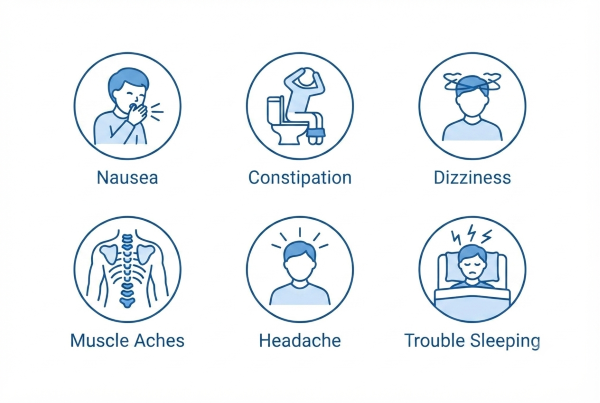
Common side effects include:
- Headaches
- Nausea
- Dry mouth
- Fatigue
- Constipation
- Trouble sleeping
Side effects are often more noticeable when first starting treatment and tend to ease as the body adjusts.
Expert Advice: Always take buprenorphine sublingually; swallowing whole reduces its effectiveness overall.
Which Is Cheaper: Subutex or Suboxone?
Generic buprenorphine, the modern equivalent of Subutex, is generally affordable since it’s no longer under brand-name pricing. Suboxone, as a first-line treatment, is typically well-covered by insurance, including Medicaid and Medicare.
Cost factors to consider include:
- Insurance coverage and prior authorization requirements
- Whether your state restricts buprenorphine-only prescribing
- Generic versus brand-name pricing
- Pharmacy availability in your area
Some states limit access to buprenorphine-only medications, so availability can affect cost and convenience depending on where you live.
Subutex vs Suboxone During Pregnancy
Both Subutex and Suboxone are now considered safe and effective options during pregnancy, though guidance has shifted over time.
Research has found that babies born to people who took Suboxone during pregnancy were more likely to be born at a healthier weight, less likely to require NICU stays, and less likely to experience withdrawal after birth compared to earlier assumptions about buprenorphine-only treatment.
Major medical organizations, including the American College of Obstetricians and Gynecologists, now recommend medication for opioid use disorder during pregnancy rather than stopping treatment.
Which Is Better: Subutex or Suboxone?
Neither medication is universally better. The right choice depends on individual health history, provider guidance, and personal response to treatment.
Reasons a provider might choose Subutex include:
- Naloxone allergy or sensitivity
- Advanced liver disease
- Specific pregnancy considerations
- Side effects that improve with buprenorphine alone
For most people, Suboxone remains the standard choice due to its lower misuse potential and strong insurance support.
Precipitated withdrawal can occur if buprenorphine is taken too soon after using a full opioid, since buprenorphine can displace opioids from receptors faster than the body can adjust, triggering sudden, intense withdrawal symptoms.
Long-Term Use of Subutex and Suboxone
Recovery with either medication tends to follow a similar pattern over time, and knowing what to expect can make the process feel less uncertain.
- Induction: The starting phase, transitioning from a full opioid to buprenorphine, typically 12 to 24 hours after last opioid use
- Stabilization: Cravings and withdrawal symptoms ease as the medication takes effect consistently
- Maintenance: The longest phase, sometimes lasting a year or more, focused on rebuilding daily life and stability
Most people remain on Suboxone during long-term maintenance, since it’s widely considered the standard for sustained safety and support.
Common Misconceptions About Subutex and Suboxone
A few persistent myths make it harder for people to feel confident about starting treatment. Clearing them up can ease some of that uncertainty.
- “Subutex is stronger than Suboxone.” Both contain the same amount of buprenorphine; naloxone doesn’t add strength, only a safety feature.
- “Naloxone is what stops cravings.” Naloxone is barely absorbed when taken as directed. Buprenorphine is doing therapeutic work.
- “Taking these medications just swaps one drug for another.” Unlike full opioids, buprenorphine doesn’t cause a rush or loss of control, and it supports stability rather than dependence cycles.
Get Help With Opioid Addiction Treatment Today
DeLand Treatment Solutions understands that choosing the right path for opioid use disorder treatment can feel overwhelming, especially with so many medication options to navigate. Our clinical team helps individuals understand their options and builds a treatment plan around what actually works for them.
Our DeLand, Florida facility offers a full continuum of dual-diagnosis care, including residential treatment with medication management integrated alongside individual, group, and family therapy.
What makes our approach different:
- A 12-bed residential setting for personalized, focused care
- Joint Commission accredited programs and licensed clinical staff
- Integrated treatment for substance use and mental health together
- Family involvement woven into the recovery process
- A private, comfortable environment on two peaceful acres
If you’re trying to figure out the right path forward for opioid use disorder treatment, you don’t have to sort it out alone. Call DeLand Treatment Solutions or visit our contact page to get started.
FAQs
What’s the difference between Subutex and Suboxone?
The primary difference is their ingredients. Subutex contains only buprenorphine, while Suboxone combines buprenorphine with naloxone. Both treat opioid use disorder effectively, but the naloxone in Suboxone helps discourage misuse by injection.
Is Subutex the same as Suboxone?
No. Both medications contain buprenorphine, which helps reduce opioid cravings and withdrawal symptoms. However, only Suboxone contains naloxone, making it the preferred option for most patients because it lowers the potential for misuse.
What is Subutex used for?
Subutex, or buprenorphine alone, is prescribed to treat opioid use disorder. Although the original brand has been discontinued, generic buprenorphine remains available and may be recommended for certain patients, including those who are pregnant or cannot tolerate naloxone.
What is Suboxone used for?
Suboxone is a first-line medication for opioid use disorder. It helps reduce cravings and withdrawal symptoms while lowering the risk of misuse through the addition of naloxone, making it a common choice for long-term medication-assisted treatment.
What are the side effects of Suboxone?
Common side effects include headache, nausea, constipation, dry mouth, fatigue, sweating, difficulty sleeping, and dizziness. Most side effects improve as treatment continues, although persistent or severe symptoms should be discussed with a healthcare provider.
What are the side effects of Subutex?
Subutex produces many of the same side effects as Suboxone because buprenorphine is the primary active medication. Common effects include constipation, nausea, headache, drowsiness, dry mouth, dizziness, and trouble sleeping.
Which is cheaper, Subutex or Suboxone?
Generic buprenorphine is often less expensive than brand-name products. However, generic Suboxone is widely available, and many private insurance plans, Medicare, and Medicaid cover it, making out-of-pocket costs similar for many patients.
Is Subutex or Suboxone safer during pregnancy?
Both buprenorphine-only and buprenorphine-naloxone products are considered acceptable treatment options during pregnancy when medically appropriate. The best choice depends on the individual’s health history and should be made with an experienced healthcare provider.
Why don’t doctors prescribe Subutex as often anymore?
The brand-name version of Subutex was discontinued, and clinical practice has shifted toward Suboxone because its naloxone component reduces misuse potential. As a result, Suboxone has become the standard first-line medication for most patients with opioid use disorder.
Is Subutex stronger than Suboxone?
No. When comparing equivalent doses, both medications provide the same amount of buprenorphine and have similar therapeutic effects. The only difference is that Suboxone also contains naloxone to help reduce misuse.
What is precipitated withdrawal?
Precipitated withdrawal occurs when buprenorphine is started too soon after using a full opioid. Because buprenorphine strongly binds to opioid receptors, it can rapidly displace other opioids and trigger sudden, intense withdrawal symptoms.
Where can I get help with opioid addiction treatment in Florida?
DeLand Treatment Solutions provides dual-diagnosis residential treatment for opioid use disorder and co-occurring mental health conditions in DeLand, Florida. Call (386) 866-8689 to learn more about available treatment options.
References
- American Addiction Centers: Subutex vs Suboxone, What’s the Difference?
- Boulder Care: Subutex vs. Suboxone, What’s the Difference and When Each Is Used
- SAMHSA: Buprenorphine
- FDA: Information About Naloxone and Nalmefene
- American College of Obstetricians and Gynecologists: Opioid Use and Opioid Use Disorder in Pregnancy
- American Society of Addiction Medicine: OUD in Pregnancy
- Cleveland Clinic: Opioid Use Disorder
- DeLand Treatment Solutions: Residential Treatment Program
Medical Disclaimer: This article is for informational purposes only and is not a substitute for professional medical or mental health advice; please consult a qualified provider or contact DeLand Treatment Solutions for personalized guidance.