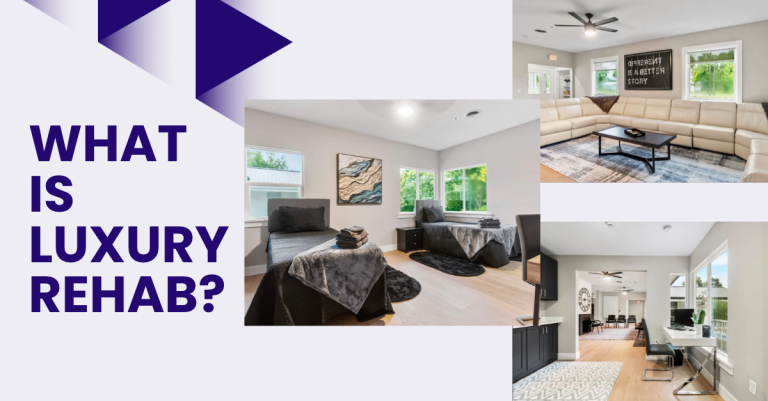
Residential treatment for depression offers housing and support as well as structured mental health treatment for those experiencing symptoms that may not be helped effectively through outpatient treatment. Treatment can involve therapy, psychiatric services, medication management, and coping skills and/or discharge planning.
Those who are looking for depression Treatment may be interested in more than a weekly appointment; you might be interested in a residential treatment facility. Depression can impact sleep, relationships, work, motivation, and even the ability to get through daily tasks.
Residential depression treatment in Florida may offer a safe environment with supportive therapeutic and psychiatric help where an individual can move towards stability. The level of care needed is based on the severity of symptoms, safety issues, functioning, treatment history, and professional assessment of the child.
Key Takeaways
- Residential Care offers greater structure and support than standard outpatient care.
Residential treatment for depression and anxiety is able to treat both of them, as well as when they happen in tandem. - Sometimes, serious depression can necessitate psychiatric treatment and may be kept at a hospital instead of a residential facility.
- Therapy may include therapy sessions, group therapy, medication management, behavior management, and family support.
- Often, depression and substance use happen together and may call for dual diagnosis treatment.
- The length of treatment depends on symptoms, progress, safety, and individual needs.
A qualified mental health professional should be involved in the choosing of the appropriate level of care.
Emergency/crisis services are more fitting when a person is in immediate danger or when he/she may be a danger to himself or herself and a residential admission is not warranted at this time.
What Is Depression?
When someone believes they are depressed, it’s more than just feeling down after a bad day. Major depression can cause a persistent sadness/emptiness, apathy, trouble sleeping or eating, loss of energy, problems concentrating, a negative view of self, or an inability to function normally. Some individuals have thoughts of death or suicide.
Depression treatment is available, but each individual’s treatment will vary based on his/her situation and symptoms.
Nearly every area of life can be impacted by depression. Someone may lose interest in things they like, or avoid family activities, have trouble getting out of bed, or have trouble keeping up with work or school. In 2021, it is estimated that 14.5 million U.S. adults were affected by major depressive episodes with severe functional impairment, according to the National Institute of Mental Health.
Types of Depression
There are various types of depression: major depression, persistent depression, seasonal affective disorder, postpartum depression, and depression caused by bipolar disorder or another illness. Although they can have the same symptoms, these conditions are not the same. A professional evaluation will help determine the situation and possible treatment(s).
Building up on the kind of depression and severity could impact perhaps the suggested therapy degree. Outpatient therapy and management of medication may work for some but a more structured program will be required for others. If a person is really ill, greatly functionally disabled or poses a safety concern, an intensive psychiatric evaluation or hospital setting may be necessary instead of a typical outpatient evaluation.
Is Inpatient Depression Treatment Appropriate For You?
When depression is severe and a person is unable to adequately take care of himself or herself or poses an imminent threat to harm either himself or others, inpatient treatment for depression may be indicated. Psychiatric treatment in the hospital is typically a means of stabilizing someone in an acute crisis. However, residential treatment is not the same as it is in an acute psychiatric hospital, as it can offer a structured place to live without necessarily following the same rules.
A clinician might take into account level of symptoms, suicidal ideation, ability to take care of oneself, prior treatments, response to medication, drug and alcohol use, medical issues, and homesickness/supports at home. Inpatient treatment may be considered if both depression and anxiety are seriously impairing functioning. Individual assessment of status determines the safest level of care; this is not just based on a diagnosis only.
Seeking help from DeLand Treatment Solutions provides essential guidance
What to Expect from Inpatient Depression Treatment in Central Florida
Sometimes, the terms “inpatient” and “residential” are interwoven; however, they may mean different degrees of care. Inpatient psychiatric treatment, which is more medically intensive, could be utilized in acute situations.
Residential treatment typically provides a live-in home environment with consistent support and treatment for mental health and therapy. Programs differ in staffing and available medical services, operating hours, and admissions policies.
It’s very crucial for anyone seeking depression treatment in central Florida to inquire what a plan contains. Consider asking about psychiatric availability, medication management, the frequency of therapy, what happens in cases of crisis, if there is a time limit for stay, family involvement, discharge planning, and aftercare provided by each program.
Prospective clients will find that DeLand Treatment Solutions can assist them in becoming acquainted with the treatment solutions available and what type of assistance might meet their needs.
Transparency note: Do not use residential programs, inpatient programs, PHP, IOP and outpatient programs interchangeably. Limits and restrictions exist for availability, eligibility, staffing, insurance participation, and clinical services.
Before making any admissions or other decisions for treatment, please check with DeLand Treatment Solutions on the actual level of treatment provided. Before making any admissions or other decisions for treatment, please check with DeLand Treatment Solutions on the actual level of treatment provided.
Evidence-Based Therapies
Psychotherapy is commonly used along with other professional treatment strategies that would be appropriate in the treatment of depression. CBT, behavioral activation, interpersonal, supportive therapy or other evidence-based therapies may be used to help individuals with mindfulness, coping skills, and reconnecting with activities that hold meaning to help reduce challenging emotions. Treatment will depend on what symptoms the person has and what their goals are.
Medications also may be part of treatment as clinically appropriate. Many people find help from antidepressants, but there are many factors to be taken into account when choosing medication, such as medical history, side effects, other medications, and a previous response to treatment. Treatment-resistant depression sometimes may lead psychiatric professionals to consider specialized interventions.
Benefits of Residential Depression Treatment in Florida
If the routine of daily living seems like too much at times, a residential program for depression can help. A person will be able to have access to the treatment more consistently and have a thought-out schedule for each day, rather than attempting to manage treatment with the same routines and pressures that may contribute to distress. You could also practice using coping and communication skills in a residential program in a supportive setting.
Another potential is “continuity.” A comprehensive treatment plan can address the entire picture of mood, sleep, relationships, substance use, medication response, coping and daily functioning in a single treatment plan, rather than during a single appointment.
Depression and Alcoholism
Depression and alcohol use disorder can act as a vicious cycle. Sometimes people use alcohol as a quick fix for being sad, anxious, lonely or in emotional pain, and continued drinking can make them feel even worse, in addition to disrupting their mood, sleep, relationships, and functioning. Having depression along with alcohol issues can mean it’s important to treat both conditions, and if you only treat one, part of the problem is likely untreated.
In cases where more advanced coordination of care is needed, inpatient treatment for depression and alcoholism might be an option to explore.
In some cases, however, some withdrawal symptoms from alcohol can even prove threatening to life, making the need for a safe management of withdrawal and detoxification to take place under the guidance of qualified medical professionals very high. Treatment planning should cover mental health needs, as well as substance use needs.
Depression and Anxiety
Many times, depression and anxiety go hand in hand. Someone can feel down and have increased worry, tight muscles, become easily frustrated, have racing thoughts or fear normal events. If both of these are interfering with functioning, then residential treatment for depression and anxiety may offer a supportive environment to attend to the depression and anxiety symptoms in one place instead of as separate issues.
Some of the treatments can include psychotherapy, medication management, behavioral strategies, sleep support, stress-management skills, and the education to mental health. This varies according to a person’s evaluation. Mental health treatment can be most successful when it’s personalized to the patient, taking into account the nature of the disorder, its severity, what the patient prefers and how he or she reacts to treatment.
Clinical fact: In 2021, 61% of U.S. adults receiving treatment had a major depressive episode, according to the National Institute of Mental Health. The treatment rate for adults with an episode of severe impairment was around 74.8%.
Depression and Substance Use
Depression and drug use may happen together, and each may make the other even more difficult to cope with. While alcohol or drugs might “take the edge off” feelings in the moment, with regular use these feelings may evolve into other issues affecting mood, sleep, relationships, and motivation, as well as physical health. Psychiatric medication management also can be difficult when someone is using substances.
The two disorders need to be treated by a mental health care professional and should not be assumed to be one cause of the other. Recovery planning can involve therapy and psychiatric treatment, substance-use counseling, relapse-prevention skills, family support, and referrals for medical detox as necessary.
Dual-Diagnosis Treatment
Treatment for dual diagnosis centers on individuals who suffer from a mental illness or a substance abuse disorder. For instance, a person can suffer from major depression and also have alcohol addiction or depression and another problem with substance abuse.
Combined treatment can produce a more holistic treatment than treating a single issue.
While some prefer the choice of a private residential treatment for depression, a private residential treatment can never come at the cost of clinical quality.
Program comparison should include information on credentials, psychiatric supervision, treatment techniques, procedures in case of emergency, family involvement, discharge plans, outcomes tracking, and aftercare. There are a number of Florida recovery centers that offer depression treatment options, and that variance is highlighted in
Recovery.com’s current listing of hundreds of treatment centers for depression.
Need help finding the right level of care?
Don’t have to navigate the distinctions between residential, inpatient, PHP, IOP or outpatient treatment by yourself. DeLand Treatment Solutions can help you to discuss your concerns with you and also explore appropriate options for mental health treatment.
Contact DeLand Treatment Solutions today to talk to the team about depression treatments in Florida and the next step to get on the path to help.
Who Mental Health Treatment May Help?
When adults are feeling continuing depression, anxiety, emotional distress, difficulties with functioning, taking medications, and/or co-occurring substance use issues, mental health treatment might be helpful. A structured program might be particularly useful if the necessary information has been lacking in routine outpatient treatment or if symptoms are interfering with daily activities or routines.
Residential/Inpatient treatment is not necessary for all people experiencing depression. An outpatient treatment, such as medication management with PHP or private IOP, may be better for some to pursue instead. Which one is to be used depends on the clinical needs and safety. Treatment should be tailored to the person’s situation and the type and severity of the mental health problem.
Why Choose DeLand Treatment Solutions?
When it comes to selecting a mental health treatment center, it is a matter of personal choice. Find a program that includes clear communication, an explanation of services, answering questions on costs and insurance, and an appropriate clinical assessment prior to recommending a level of care. A reputable provider will also offer an understanding of when a more intense treatment may be better.
Deland Treatment Solutions offers local depression treatment in Florida for residents with a place to start the conversation about depression treatment needs in the Deland and Central Florida area. Reach out to the team directly to ensure that these services are available, to see if you are eligible, the level of care provided, insurance, and whether or not your clinical needs are met with their services.
What to Expect During Depression Treatment?
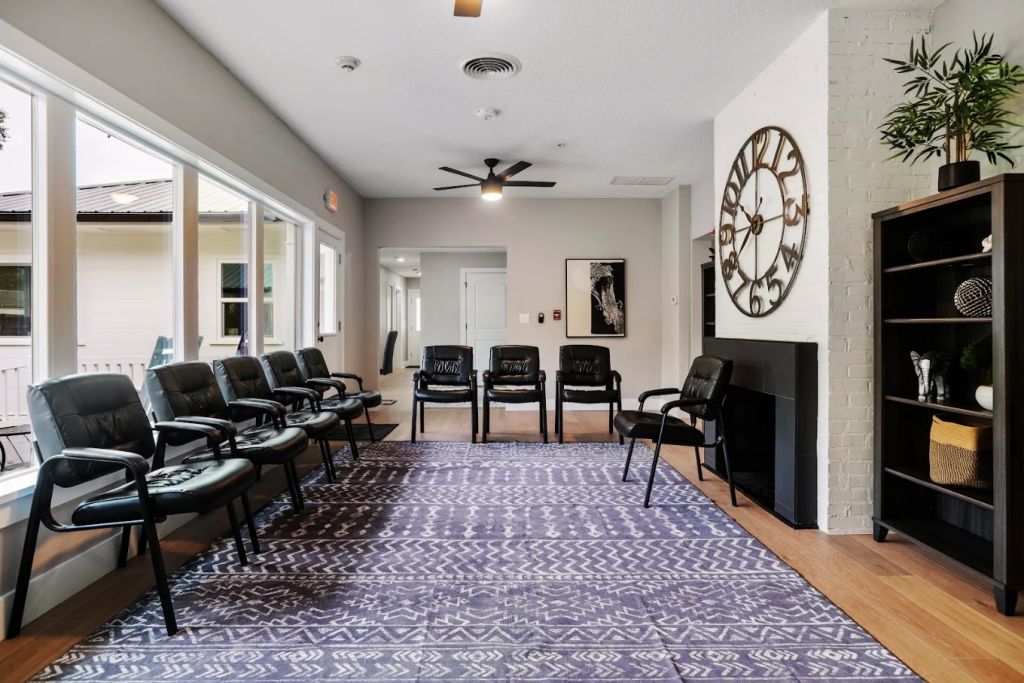
Typically, treatment starts with an evaluation. Questions a mental health professional might have are about mood, sleep, eating, focus, relationships, drug and alcohol use, past treatment, medication use, and medical conditions, as well as safety concerns. This information is helpful to the treatment team in knowing the ‘whole person,’ not just a symptom.
Then, as part of a treatment plan, individual therapy, group therapy, psychiatric evaluation, medication management, coping-skill training, behavioral therapy, family involvement, and discharge planning can all be included. There should be a plan, and this needs to be amended as the individual’s needs change. Treatment isn’t just about feeling better today; it’s also about acquiring skills to function beyond the program.
Therapies and Treatment Approaches
Depression can be treated in a variety of ways. Cognitive behavioral therapy can assist in determining thinking and acting patterns that add to depression. Behavioral activation is directed toward reengaging in ever-increasing amounts of meaningful activities. These may be solutions in the areas of relationships, trauma, emotional control, communication, or values.
When appropriate, and especially if symptoms are moderate to severe and no improvement has occurred with psychotherapy alone, medication may be recommended. Advanced treatments, like ECT or TMS, may be considered for treatment-resistant or severe depression in some cases. These decisions must be preceded by quality psychiatric assessment and consideration of benefits and risks.
Call DeLand Treatment Solutions to discuss the options for mental health treatment.
How Long Does Depression Treatment Last?
The duration of depression treatment depends on the particular situation. While some may need a few weeks of structured care, others may need more time in treatment or go through various levels of treatment. The time will vary based on symptoms, safety, progress, treatment response, support at home, and clinical recommendations.
What occurs after residential care should be part of a good treatment program. Outpatient therapy, medication management, support groups, family education, community resources, or an alternate level of structure may be a component of discharge planning. The intention is to establish a realistic transition instead of stopping any support services too suddenly when a person is leaving the program.
How to Choose a Mental Health Treatment Center?
Inquire first about whether the center works on the particular issues you’re facing. Next, inquire about qualifications, psychiatric treatment, methods, medication, treatment levels, emergency protocols, insurance, fees, and duration of treatments, family support, and aftercare. Here are a few questions to help determine if the program is right for you before you sign on.
Transparency matters. A treatment center shouldn’t guarantee cures or assert that it offers a single treatment that will work for anyone. Depression is multi-faceted, and responses to treatment are individual. When determining which treatment is appropriate, we focus on individual care and working closely with mental health professionals.
How to Find Depression Treatment in DeLand, Florida
First and foremost, if you are considering a move to DeLand or other Central Florida communities, you should determine what type of care you are actually looking for. A mental health evaluation will help to decide what option is best, whether it be outpatient treatment, intensive outpatient care, partial or inpatient psychiatric care, or outpatient residential treatment.
If you are in touch with your local provider, please inform them of the symptoms you have experienced, and they will let you know when a provider will be available to evaluate you
In case of a medical emergency or if you yourself, or another family member or friend, are in immediate danger, experiencing a psychiatric crisis, or at imminent risk of suicide, call 911 or call/text 988 for immediate crisis support before waiting for a routine treatment appointment.
Do you want to get ready to make the jump? Contact DeLand Treatment Solutions to discuss depression treatment in Florida and what kind of help may be a right fit for you or your loved one.
Frequently Asked Questions
At what point does someone need residential treatment for depression?
Residential treatment becomes necessary when outpatient therapies and medications fail to manage severe depression, or when safety risks emerge. It provides 24/7 clinical supervision, immersive daily therapy, and structured care for individuals struggling to maintain basic daily functioning safely.
Where do people go when they have severe depression?
People with severe depression seek help at specialized residential mental health facilities, intensive outpatient centers, or psychiatric hospitals. For immediate crises or safety concerns, individuals visit emergency rooms or contact crisis lifelines for emergency stabilization and referral options.
Does Medicare pay for residential mental health?
Medicare Part A covers inpatient psychiatric hospital stays, while Part B covers outpatient mental health services. However, Medicare generally does not cover non-hospital residential treatment centers or long-term custodial care, leaving room for private or supplemental coverage needs.
How to get mental health help when you can’t afford it?
To access affordable mental health care, contact Federally Qualified Health Centers, university training clinics, or county mental health departments. Many nonprofit organizations offer sliding-scale fees, free support groups, or state-funded assistance programs to ensure care regardless of income.
What are the disadvantages of residential treatment?
The main disadvantages of residential treatment include significant financial costs, required time away from work or family, and temporary isolation from daily routines. Additionally, transitioning back to normal daily life afterward requires structured ongoing outpatient aftercare planning.
When do they hospitalize you for depression?
Inpatient psychiatric hospitalization occurs when a person poses an immediate danger to themselves or others, experiences active suicidal intent, or suffers from severe psychosis. The primary goal is acute crisis stabilization, short-term safety, and immediate medical evaluation.
How to help someone with addiction and depression?
Encourage the person to seek professional assessment without judgment. Listen, express concern, avoid shaming, and help them connect with appropriate treatment. If they are at immediate risk of suicide or serious harm, contact emergency services or 988.
Disclaimer
This article is for educational purposes only and does not provide a diagnosis or substitute for professional medical, psychiatric, psychological, or addiction treatment. Residential and inpatient care are not interchangeable, and the appropriate level of care should be determined by a qualified professional.
If you or someone you know is experiencing suicidal thoughts, an immediate safety concern, or a psychiatric emergency, seek emergency assistance. In the United States, call or text 988 for the Suicide & Crisis Lifeline or call 911 for an emergency.
Treatment outcomes vary from person to person. References to therapies, medications, residential care, or other treatment options do not guarantee a particular result.
Expert References
- Mayo Clinic, Depression: Diagnosis and Treatment: Provides information on psychotherapy, medication, hospital care, residential treatment, TMS, and ECT. Mayo Clinic
- Mayo Clinic, Mental Illness: Diagnosis and Treatment: Discusses residential, inpatient, partial hospitalization, and outpatient levels of mental health care. Mayo Clinic
- Mayo Clinic Depression Center: Describes comprehensive depression treatment and multidisciplinary care. Mayo Clinic
- Recovery.com, Florida Depression Treatment Centers: Provides an overview of depression treatment options, levels of care, and treatment centers in Florida. Recovery.com
- Mayo Clinic, Treatment-Resistant Depression: Explains when depression may not adequately respond to standard treatment and why specialist evaluation may be appropriate. Mayo Clinic