Quick Answer: Yes, alcohol withdrawal itself can lead to death in extreme cases, particularly when an alcohol addict quits drinking without professional help. Severe consequences are seizures, delirium, heart and blood pressure irregularities, and dehydration. These risks can be minimized during medically supervised withdrawal.
Withdrawal from alcohol can be very frightening, particularly if someone has been drinking heavily for some time, for months, or years. So you know you’re wondering, is alcohol withdrawal life-threatening? Yes, not all of them have severe symptoms. This can vary based on a person’s drinking history, past withdrawals, and other health issues and care they have. Withdrawal can be made safer if you know to look out for the signs and seek help early on.
Key Takeaways
- If not treated immediately, severe alcohol withdrawal can be life-threatening.
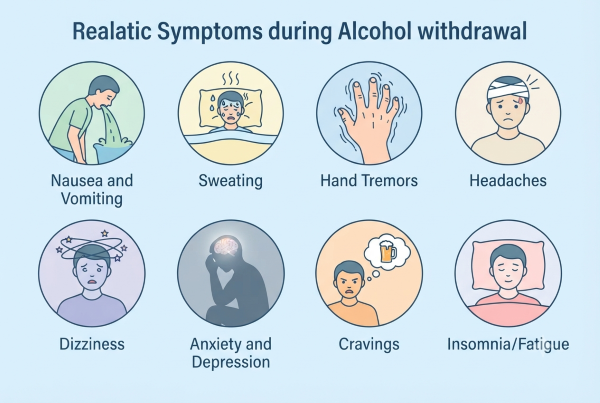
- Initial symptoms include headache, sweating, shaking, nausea, and insomnia and anxiety.
- The seizures may happen in the first 48 hours or so following the last drink.
- A severe type of withdrawal is delirium tremens, which can occur within 48- 72 hours and may result in confusion, fever, and fast heartbeat.
- Anyone who has had a withdrawal attack or delirium tremens has a higher risk for complications in the future.
- Medical detox offers a way of monitoring and providing treatment to avoid harmful complications.
- Don’t try to handle severe alcohol withdrawal by yourself. In the event of a seizure, confusion, hallucinations or if the person is unable to remain alert, seek emergency help.
What is Alcohol Withdrawal?
Alcohol withdrawal is the name given to the symptoms that can be experienced when an alcohol-dependent person suddenly ceases their drinking or when they abruptly and significantly change the amount of alcohol they consume. With repeated exposure to alcohol, the brain begins to adapt to alcohol’s effects. As one’s blood alcohol content drops, the nervous system may be overactive, resulting in symptoms ranging from mild anxiety to deadly effects.
Symptoms can occur as early as 6–24 hours after the last alcoholic beverage. Not everyone will experience severe withdrawal, and can deteriorate with time. Alcohol withdrawal syndrome is serious since, in severe cases, delirium tremens and convulsions can occur, according to clinical review articles that have been published in medical journals.
100% Confidential Support is Available 24/7
No matter what you’re going through, you’re not alone. Our dedicated team is here to provide a safe, judgment-free space where you can talk openly and honestly. Whether you need emotional support, resources, or just someone to listen.
We’re here for you—completely confidential and always respectful of your privacy. Call us today!
Stages of Alcohol Withdrawal
Everyone’s alcohol withdrawal is unique. Symptoms typically come on within 6-24 hours and seizures and marked confusion can follow in the next several days. While general knowledge of the different phases can help the family appreciate when an emergency requires medical assistance, it is only one means of assessment and not the only one in determining whether someone is safe or not.
6–24 hours: Anxiety, sweating, shaking, nausea, headache, insomnia, and a rapid heartbeat can start.
12-48 hours: Symptoms worsen; withdrawal seizures possible. Some people develop hallucinations.
48 to 72 hours: DTs can occur, resulting in very serious confusion, agitation, fever and unstable vital signs.
Days 4-7: Most acute symptoms have abated, but some require longer treatment or monitoring.
These timelines are suggested and not a promise. Symptoms may occur earlier, concurrently, or later.
Deland Treatment Solutions
Battling with Drug and Alcohol Addition? Remember, you are not alone and we are here to help you!
Complications of Alcohol Withdrawal
Alcohol withdrawal can be fatal if severe complications become overwhelming to the body’s normal brain and body functioning. Withdrawal seizures, delirium tremens, cardiovascular changes, and metabolic changes are causing problems, especially. Failure to seek timely treatment may actually be a risk factor for serious injury or life-threatening complications, particularly for those with underlying medical conditions.
Potential complications include:
- Withdrawal seizures: Seizures that occur suddenly and uncontrollably in the brain which may result in injuries and convulsions.
- Delirium Tremens (DTs): This is a very intense form of withdrawal, characterized by confusion, agitation, hallucinations, and autonomic instability.
- Heart and blood pressure issues: Prosciutto can increase a person’s blood pressure and heart rate due to its high level of nervousness.
- Dehydration and electrolyte imbalance: Due to vomiting, sweating, and inadequate food and fluid intake, the body’s normal balance may be upset.
- Other medical issues: Sometimes liver disease, infections, heart issues, and food shortages will compound the withdrawal process.
Severe confusion, hallucinations, chest pain, trouble breathing, or passing out should be treated as an emergency by medical personnel.
Who is at Risk for Alcohol Withdrawal Syndrome?
There is an increased risk for severe alcohol withdrawal symptoms in those who have been heavier drinkers, who have had previous alcohol withdrawal or may have had withdrawal symptoms involving convulsions or delirium tremens. Additionally, older age and poor diet and medical history, as well as treatment with certain other substances, can complicate treatment.
Risk factors include:
- Chronic excessive drinking.
- Past use of excessive withdrawal episodes.
- History of seizures or delirium tremens.
- Liver disease, heart disease, or other serious health issues.
- Dehydration or malnutrition.
- Addiction to sedatives or any other drugs.
Kindling is the phenomenon whereby repeated withdrawal can cause the brain to be increasingly vulnerable to withdrawal later on. It can be important for a healthcare professional to evaluate the risk before someone with suspected alcohol dependence discontinues drinking.
Acute Alcohol Withdrawal Syndrome
The early period following the reduction or withdrawal of alcohol use is called the acute alcohol withdrawal syndrome. Symptoms may manifest themselves as slight tremors and anxiety to severe agitation, seizures, and delirium. The condition can change rapidly, and an individual who seems well one day may require evaluation and monitoring.
Initial signs and symptoms include sweating, nausea, restlessness, insomnia, tremors, and fast heart rate. Kids may also have more severe symptoms, like causing them to see things that are not really happening or that they disorient or have seizures. Doctors evaluate symptoms, drinking history, vital signs, and other health concerns to decide on the patient’s care level.
Diagnostic Criteria for Alcohol Withdrawal
Diagnosis of alcohol withdrawal is made based on clinical assessment and not by means of any single laboratory test. Physicians take into account if the person has stopped or reduced extended, excessive drinking in the immediate past as well as whether the symptoms are consistent with withdrawal or some different condition.
The DSM-5-TR diagnostic criteria consist of recent reduction or stoppage of excessive and prolonged drinking and at least two of the following symptoms: tremors, sweating, insomnia, nausea, anxiety, agitation, hallucinations, or seizures. Symptoms should be distressing or impairing clinically and not attributable to another disease. Blood tests may also be ordered and symptom rating tools used to help steer treatment.
Disturbances of Mood, Thought, and Perception
Emotions, thinking, and perception can be impacted by alcohol withdrawal. Symptoms of anxiety, irritability, restlessness, reduced mood, and difficulty with concentration may be present. In more severe cases, the affected person may experience hallucinations or delirium. This situation is not just a result of stress; it can be a sign of medical issues that need trained eyes to diagnose it.
A person may experience visual, auditory or tactile hallucinations. Delirium tremens is more complicated and commonly features changes in vital signs, agitation, diminished awareness, and confusion. If a person has new hallucinations, high levels of confusion or a sudden, rapid decline in symptoms, emergency medical attention is required.
Protracted Withdrawal Syndrome
After the acute withdrawal period, some individuals still have sleep disturbances, anxiety, sadness, irritability, tiredness, and/or cravings. Sometimes these longer-lasting symptoms are said to be “protracted withdrawal,” but the length and cause of these symptoms can be individual.
If the symptoms last and are persistent, it is not always considered a medical emergency. But if a person is experiencing depression, high levels of anxiety, confusion or a disruption in sleep, it’s time to seek professional help. Treatment of co-occurring mental health conditions and continued recovery support and follow-up help people to manage their symptoms and minimize the likelihood of relapsing into destructive drinking.
Seeking help from DeLand Treatment Solutions provides essential guidance
Neurobiology of Alcohol Withdrawal
The brain’s regulation of calming and stimulating signals is altered by alcohol. The more one drinks, the more the brain gets used to these changes in the function of inhibitory (GABA) and excitatory (glutamate) activity. This balance can shift to an overactive nervous system when alcohol is abruptly removed.
This overactivity is the reason why somebody experiences tremors, anxiety, sweating, a raised heartbeat, and seizures. It also helps to shed light on why withdrawal can be deadly even after someone has stopped drinking. These neurochemical adaptations, important mechanisms underlying AHS, are described in research reviews.
Can Alcohol Detox Cause Death?
If dangerous withdrawal complications arise and left untreated, they can lead to death as part of the alcohol detox process. But detox is not necessarily deadly. Medically monitored detoxification is formulated to pinpoint dangers, track symptoms, offer the proper medications, and act speedily in the event of complications.
The safest option is going to be on a particular person, case-by-case basis based on their medical history, severity of their withdrawal, and the available support. Never attempt to treat a severe withdrawal with alcohol, unprescribed sedatives or home treatments. A clinician can help to identify inpatient hospital treatment, medically monitored detoxification treatment, and other levels of care.
Treatment for Alcohol Withdrawal
Alcohol withdrawal treatment is aimed at preventing complications, alleviating symptoms, and facilitating a safer withdrawal process from alcohol. The right setting is based on the level of risk and severity of symptoms. If a person is at risk for seizures, delirium tremens, or other serious complications, he or she may require treatment in a hospital facility.
Treatment of the conditions may involve:
Clinical monitoring: Assessing vital signs, mental status, hydration, and electrolyte status.
Prescription drugs: Benzodiazepines are sometimes used for medical supervision to avert or treat severe withdrawal symptoms and seizures.
Nutrition and thiamine: Thiamine might help prevent or treat neurological complications due to thiamine deficiency.
Fluid and electrolyte management: Hydration for dehydration and correction of imbalances that have been identified.
Continuing support for recovery: Linking detox with counseling, rehabilitation, medication as needed and ongoing addiction treatment.
Treatment should be tailored to the person-to-person. This involves clinical judgement in the selection and dosing of medication, especially in the presence of liver disease, other drugs of abuse, or other medical conditions.

Finding the Right Supportive Care in DeLand, FL
Like in everything, recovery can start with a single conversation. If you or a loved one are worried about becoming addicted to alcohol, DeLand Treatment Solutions can be a conversation starter about options for treatment and next steps for recovery.
Call the addiction treatment services for DeLand, FL at (386) 866-8689 to learn about the various options and the right kinds of help. Depending on the person’s severity of symptoms, dial 999 to contact emergency services or go to the nearest emergency department; do not wait for treatment facility appointments.
You don’t have to go through recovery alone. Given adequate, professional medical supervision, where necessary, and ongoing care, individuals can strive to lead a safer and healthier life.
To explore options for supervised support, contact DeLand Treatment Solutions
Frequently Asked Questions
What happens to your body when you stop drinking?
When you stop drinking, your body immediately begins repairing itself. Brain chemistry starts balancing, blood pressure stabilizes, liver fat reduces, and inflammation drops. Over weeks and months, sleep quality improves, immune function strengthens, and your risk for chronic diseases significantly decreases.
What are the signs and symptoms of alcohol withdrawal that can be serious?
Serious alcohol withdrawal symptoms include high fever, severe confusion, heavy sweating, irregular heartbeat, extreme agitation, tactile or visual hallucinations, and seizures. These severe physical and neurological reactions require immediate medical supervision to prevent life-threatening health complications.
What are the first signs of your body shutting down from alcohol?
Early signs of body shutdown from chronic alcohol use include persistent jaundice, severe abdominal swelling, chronic confusion, vomiting blood, extreme cognitive decline, and recurring infections. These critical symptoms indicate severe end-stage organ dysfunction that demands immediate emergency medical attention.
What is the most serious form of withdrawal?
Delirium Tremens (DTs) is the most severe and dangerous form of alcohol withdrawal. Characterized by sudden confusion, violent shaking, severe hallucinations, high fever, and dangerous blood pressure spikes, DTs is a medical emergency that can prove fatal without professional intervention.
Can you reverse 20 years of heavy drinking?
While structural organ scarring like advanced cirrhosis cannot be reversed, stopping alcohol allows the body to make remarkable recoveries. Liver fat clears, cognitive function improves, cardiovascular risks drop, and overall health stabilizes significantly once alcohol consumption permanently ceases.
What are the first signs of brain damage from alcohol?
Early indicators of alcohol-induced brain damage include short-term memory loss, difficulty learning new skills, reduced impulse control, frequent emotional swings, and poor motor coordination. Persistent confusion or balance issues often signal condition progression that requires clinical evaluation.
Is it better to quit alcohol cold turkey or slowly?
Quitting alcohol cold turkey can trigger sudden, life-threatening withdrawal complications like seizures or delirium tremens. Gradual tapering under strict medical supervision or enrolling in a professional clinical detox program is the safest, most effective path to quitting safely.
What is the most common death for alcoholics?
The most common causes of death associated with severe alcohol use disorder are end-stage liver disease (cirrhosis), cardiovascular complications, and accidental injuries or trauma. Chronic alcohol dependence also significantly elevates long-term risks for multiple forms of cancer.
What is dry drunk syndrome?
Dry drunk syndrome describes a state where an individual stops consuming alcohol but continues demonstrating the negative emotional, cognitive, and behavioral patterns associated with addiction. Unaddressed psychological triggers, resentment, and mood instability characterize this phase without ongoing therapeutic support.
Expert References and Medical Sources
This article uses established medical guidance to explain alcohol withdrawal, its risks, diagnosis, and treatment. These sources provide additional information for readers and healthcare professionals.
- National Institute on Alcohol Abuse and Alcoholism (NIAAA): Alcohol Use Disorder: Risk, Diagnosis, and Recovery.
- American Society of Addiction Medicine (ASAM): Clinical Practice Guideline on Alcohol Withdrawal Management.
- Cleveland Clinic: Alcohol Withdrawal: Symptoms, Treatment, and Timeline.
- Cleveland Clinic: Delirium Tremens: Causes, Symptoms, and Treatment.
- National Health Service (NHS): Alcohol-Use Disorder.
- Peer-reviewed medical literature: Alcohol Withdrawal Syndrome: Mechanisms, Manifestations, and Management.
Medical Disclaimer
This article is for educational purposes only and is not a substitute for medical advice, diagnosis, or treatment. Alcohol withdrawal can be life-threatening. Anyone with suspected severe withdrawal, seizures, hallucinations, severe confusion, or loss of consciousness should receive emergency medical care. Do not delay emergency treatment while seeking addiction treatment services.