In This Blog
- Understanding the biological process of clearing alcohol from the body
- A detailed breakdown of the standard withdrawal timeline
- Factors that influence the duration and intensity of the experience
- Identifying the signs of mild, moderate, and severe withdrawal
- Finding structured support and professional resources for a safe transition
How long does it take to Detox From Alcohol is another one of the most commonly asked questions that people have when starting the journey toward wellness. Detoxification is a natural process in which the body processes get the substance out of their systems and revitalize brain chemistry, which is altered by regular use.
Since alcohol is a central nervous system depressant, the brain becomes used to the substance, and the system is excited to respond by augmenting nerve transmissions. The nervous system becomes hyperactive when the substance is abruptly withdrawn, giving rise to the physical and psychological effects of withdrawal.
The most acute physical symptoms are sometimes most acute in the earliest days of the process, although the actual lifespan of the process may be very long depending on individual history and individual biology. Knowing this timeline is just critical in the understanding of safety and motivation to achieve long-term stability and health.
Expert Advice: Choosing a structured environment ensures that the withdrawal process remains safe and manageable.
What Happens When You Stop Drinking?
To understand how long it takes to Detox From Alcohol, one must first understand what occurs within the body during this time. Chronic consumption leads to a state of physiological dependence, where the brain relies on the substance to maintain a semblance of balance.
When the intake stops, the brain experiences a “rebound” effect. This overactivity in the central nervous system is responsible for the tremors, anxiety, and heart rate changes that characterize the early stages of clearing the substance.
What Are the Stages of Alcohol Detox?
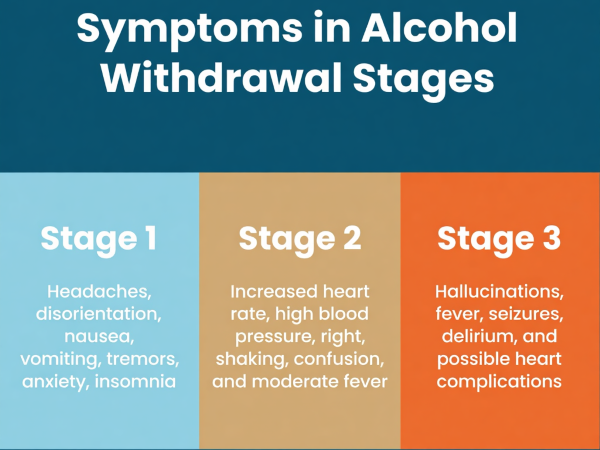
The process of clearing the body generally follows a predictable pattern, although the specific timing can shift from person to person. Professionals typically divide this experience into three distinct stages based on the onset and severity of symptoms.
The early stage usually begins within hours of the last drink. This is followed by a peak period where symptoms are most intense, and finally, a subsiding stage where the body begins to reach a new state of equilibrium.
FACT: Withdrawal symptoms typically begin within six to twenty-four hours after drinking.
What Happens in the First 24 Hours?
The initial phase of a Detox From Alcohol often starts while there is still a small amount of the substance in the bloodstream. Individuals may begin to feel restless, irritable, or anxious as the body first notices the absence of the depressant.
Common early signs include:
- Mild tremors or “the shakes” in the hands and limbs.
- Significant difficulty falling or staying asleep.
- Gastrointestinal distress, including nausea or a lack of appetite.
- Increased heart rate and elevated blood pressure levels.
Why are Days 2 and 3 of Alcohol the Hardest?
For most people, the most challenging part of the process occurs during the second and third days. This is the window where the risk for more severe complications, such as seizures or hallucinations, is at its highest point.
During this peak, the overactivity of the nervous system is at its maximum. This is why professional oversight is so critical; a dedicated team can monitor vital signs and provide the necessary support to keep the individual stable during these intense hours.
Timeframe | Common Symptoms | Severity Level |
6–24 Hours | Anxiety, tremors, insomnia | Mild to Moderate |
24–72 Hours | Peak intensity, potential seizures | High Risk |
3–7 Days | Symptoms begin to fade, fog lifts | Diminishing |
What Happens After 3 Days of Alcohol Detox?
After the first three days, the most acute physical dangers typically begin to subside for many individuals. The body starts to adjust to its new chemical reality, and the “cloud” of withdrawal begins to lift, allowing for clearer thinking.
While the physical shaking and nausea may be gone, many people still experience lingering psychological symptoms. These can include mood swings, a persistent low mood, or continued trouble with sleep patterns as the brain continues its long-term repair work.
What Affects How Long Alcohol Detox Takes?
Not everyone will experience a Detox From Alcohol in the same way. Several key factors determine how quickly your body can process the change and how intense the symptoms will feel.
Influencing factors include:
- Duration of use: Long-term habits typically lead to a more complex and extended clearing process.
- Average daily intake: Higher quantities of alcohol create a deeper level of physical dependency.
- Organ health: The condition of the liver and kidneys is vital, as these organs do the heavy lifting of filtration.
- History of withdrawal: Previous experiences with detox can sometimes lead to more severe symptoms in subsequent attempts.
What Are Delirium Tremens Symptoms?
A small percentage of individuals may experience a severe form of withdrawal known as Delirium Tremens. This is a serious situation that requires immediate professional intervention to ensure the safety of the individual.
Signs of DTs include extreme confusion, agitation, high fever, and hallucinations. Because these symptoms can be life-threatening, it is always recommended to undergo the process of a Detox From Alcohol in a setting where experts are available 24/7.
Why Does Nutrition Help During Alcohol Detox?
The body requires a significant amount of energy and resources to clear toxins and repair damaged tissues. Proper hydration is essential, as alcohol is a diuretic that often leaves the body depleted of fluids and electrolytes.
Focusing on a balanced diet rich in vitamins, especially B vitamins, can help support the nervous system during its recovery. Professional programs prioritize nutritional support to help individuals regain their strength and vitality more quickly.
How Does Alcohol Detox Affect Your Mental Health?
The psychological aspect of clearing the system is often just as challenging as the physical side. Many people use alcohol to mask underlying anxiety or depression, and when the substance is removed, these feelings can return with increased intensity.
Having access to therapeutic support during a Detox From Alcohol allows individuals to begin addressing these root causes immediately. This dual approach ensures that both the body and the mind are receiving the care they need for a successful transition.
If you need help, DeLand Treatment Solutions offers support for your recovery.
Is It Safe to Detox at Home?
Attempting to stop use alone can be overwhelming and, in some cases, unsafe. A professional program provides a controlled environment that removes the triggers and stresses of daily life, allowing the individual to focus entirely on their health.
Programs offer:
- Constant monitoring of physical health and vital signs.
- A structured daily routine that promotes stability and rest.
- Peer support from others who are navigating similar challenges.
- A clear plan for what happens after the initial clearing process is complete.
What Is Post-Acute Withdrawal Syndrome?
For some, certain symptoms can persist for weeks or even months after the initial Detox From Alcohol is finished. This is often referred to as Post-Acute Withdrawal Syndrome and is a sign that the brain is still recalibrating its neurotransmitter levels.
Symptoms of PAWS might include persistent anxiety, irritability, or “brain fog“. Understanding that these are temporary parts of a long-term healing process helps individuals stay committed to their wellness goals even when the journey feels slow.
Life After Alcohol Detox
The clearing process is the essential first step, but it is only the beginning of a larger journey. Once the body is physically stable, the work of building a new, healthy lifestyle can truly begin.
This involves developing new coping mechanisms, improving relationships, and finding joy in activities that do not involve substances. A structured support system provides the tools and accountability needed to make these changes permanent.
Support Phase | Primary Focus | Long-Term Goal |
Initial Clearing | Physical safety and stabilization | Reach a baseline of health |
Active Therapy | Addressing root causes and triggers | Develop coping skills |
Ongoing Care | Maintaining habits and peer connection | Sustained wellness and growth |
How Does Quitting Alcohol Improve Life?
As the toxins leave the system, many people notice a significant improvement in their energy levels and cognitive abilities. Sleep becomes more restful, and the ability to focus on tasks returns, leading to better performance at work or school.
These improvements are powerful motivators to continue on the path of health. Seeing the positive changes in one’s own body and mind reinforces the decision to prioritize wellness over the temporary relief of a substance.
Handling Social Situations in Alcohol Recovery
Early in the process, it may be necessary to avoid certain social settings that are strongly associated with drinking. Learning to set boundaries with friends and family is a vital skill that is reinforced through professional guidance.
Over time, individuals learn how to navigate these situations with confidence. By focusing on genuine connection and presence, they find that social life can be even more fulfilling without the influence of alcohol.
DeLand Treatment Solutions provides professional guidance and resources by phone today.
Why Ongoing Support Matters After Detox
Successful transitions are rarely done in isolation. Having a dedicated team that follows your progress from the initial clearing phase through long-term aftercare ensures that no gaps in support occur.
This continuity provides a “safety net” that can catch potential setbacks before they happen. It also allows for the wellness plan to be adjusted in real-time as the individual grows and their needs change.

Can You Fully Recover From Alcohol Dependency?
Every day spent in health is a victory for the body and the mind. While the timeline for a Detox From Alcohol may seem daunting at first, it is a relatively short period of time compared to a lifetime of vitality and purpose.
By taking this first step with the right support, individuals can break free from the cycle of dependency and move toward a future characterized by clarity and strength. The body has a remarkable ability to heal when given the chance.
DeLand Treatment Solutions offers comprehensive support services and personalized guidance for those seeking a healthier lifestyle. Their team focuses on providing a structured environment where individuals can address their habits through evidence-informed methods and ongoing peer support.
Medical Disclaimer: This article is for informational purposes only and is not a substitute for professional medical advice.
To explore options for supervised support, contact DeLand Treatment Solutions
Key Takeaways
- Detox From Alcohol is the process of the body clearing the substance and recalibrating the nervous system.
- Most acute physical symptoms begin within 24 hours and typically peak between 48 and 72 hours.
- The duration of withdrawal is influenced by factors like organ health, age, and previous usage history.
- Professional oversight is essential for managing potential complications like seizures or Delirium Tremens.
- Clearing the system is the first step toward a long-term journey of wellness and lifestyle change.
FAQs
How long does the physical shaking last?
The tremors associated with clearing the system usually begin within six to twelve hours after the last drink. For most individuals, these physical shakes peak during the second day and begin to fade significantly by the fourth or fifth day of the process.
Is it safe to detox from alcohol at home?
Stopping use suddenly can be dangerous, especially for those with a history of heavy consumption. Because severe complications like seizures can occur without warning, undergoing the process of a Detox From Alcohol in a professional environment is the safest and most effective option.
Can certain foods speed up the process?
While no specific food can “flush” alcohol out instantly, a balanced diet helps the body repair itself. Focus on hydration and foods high in B vitamins and protein to support your nervous system and help your energy levels return to normal more quickly.
Why can’t I sleep during detox?
Alcohol is a depressant that artificially forces the body to relax. When it is removed, the brain’s “alertness” system becomes overactive, making it very difficult to fall asleep or stay asleep. This insomnia is a common, temporary part of the brain recalibrating its natural cycles.
How do I know if I need a professional program?
If you find that you cannot stop drinking on your own, or if you experience tremors, heavy sweating, or intense anxiety when you try to cut back, professional support is recommended. A team of experts can ensure your safety and provide the structure needed for a successful transition.