As more people consider their physical and mental health as primary concerns, a large number of them are dropping weed gummies and wondering how the active components will remain in their bodies. As opposed to inhaled marijuana, which gets into the blood almost immediately, the intake of edibles such as gummies has to be processed into the digestive system and metabolized in the liver.
This special route frequently leads to the increased duration of effects and a longer period at which the biological samples contain THC metabolites. Be it in the case of a pre-employment check-up or just in the quest to get renewed health, it is important to know more about the science of detection.
Examine the effects that different variables such as body composition and frequency of use have on the clearing process and you can get a better picture of the steps to take in your quest to achieve complete wholeness and substance-free life.
Expert Advice: Hydration and a healthy metabolism assist the body in naturally clearing stored metabolites.
How Does Your Body Process Weed Gummies?
When you consume an edible, the THC is converted into 11-hydroxy-THC by the liver, a potent metabolite that can cross the blood-brain barrier effectively. This metabolic process is why the “high” from gummies lasts longer than smoking.
Even after the psychoactive effects have faded, the metabolites remain. For those quitting weed gummies, the body must systematically break down these stored compounds and filter them through the kidneys for excretion.
How Long Do Weed Gummies Show on Drug Tests?
The amount of time THC stays in your system is largely dependent on the type of test being conducted. Different biological samples offer varying historical views of your consumption habits.
Common detection windows include:
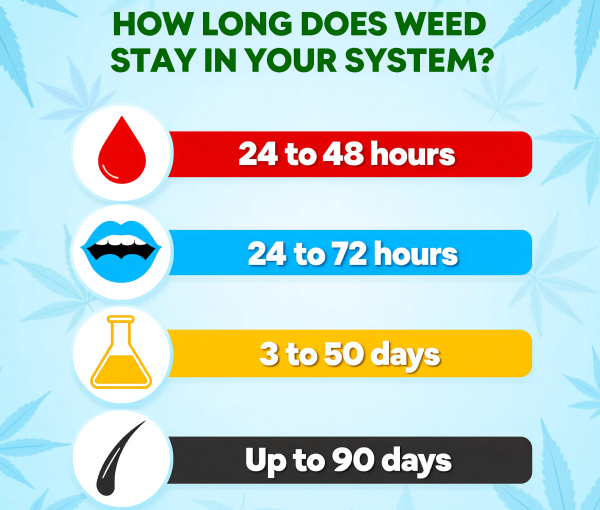
- Urine Tests: These are the most frequent screenings and can detect use for 3 to 30 days.
- Blood Tests: Typically show very recent use, usually within 1 to 2 days.
- Saliva Tests: Usually detect THC for about 24 to 48 hours after consumption.
- Hair Follicle Tests: Can identify use from up to 90 days in the past.
FACT: THC metabolites are fat-soluble and can stay in the body.
What Affects How Long Weed Gummies Stay in Your System
No two bodies process substances at the same speed. When quitting weed gummies, several personal variables will dictate how quickly you reach a baseline of health.
Key influencing factors:
- Body Mass Index (BMI): Because THC is stored in fat cells, individuals with higher body fat may retain metabolites longer.
- Metabolic Rate: A faster metabolism generally leads to a quicker elimination of toxins.
- Frequency of Use: Chronic users will have a much longer clearing period than occasional users.
- Hydration Levels: Proper fluid intake supports kidney function and the natural excretion process.
How Often You Use Weed Gummies
Frequency is perhaps the most significant factor in how long THC stays in the system. For an occasional user, the body may clear the metabolites in just a few days.
However, for a daily user, the “backlog” of stored THC in fatty tissues can take weeks to fully dissipate. This is why consistency is key when quitting weed gummies for a professional screening or health goal.
User Frequency | Estimated Urine Detection | Detection Type |
Occasional | 3 to 7 days | Standard Screening |
Moderate | 7 to 15 days | Standard Screening |
Chronic/Daily | 30+ days | Standard Screening |
Health Benefits of Quitting Weed Gummies
Choosing to step away from edibles leads to significant improvements in cognitive function and emotional stability. Many report a reduction in “brain fog” and an increase in daily motivation.
Long-term benefits include:
- Improved Memory: THC can interfere with short-term memory and learning processes.
- Better Sleep Quality: While some use gummies to sleep, they can disrupt REM cycles over time.
- Emotional Balance: Quitting helps stabilize mood swings and reduces anxiety related to use.
- Physical Vitality: Removing synthetic compounds allows the body’s natural systems to flourish.
What Are Weed Gummy Withdrawal Symptoms?
While not typically life-threatening, withdrawal from THC can be uncomfortable. For those quitting weed gummies after long-term use, the first week is often the most challenging.
Common symptoms include:
- Irritability or sudden changes in mood.
- Difficulty falling asleep or experiencing vivid dreams.
- A temporary decrease in appetite or digestive changes.
- Intense cravings for the substance during stressful moments.
Best Foods to Eat When Quitting Weed Gummies
Eating a balanced diet rich in fiber and antioxidants can help the body recover more effectively. Fiber assists in the elimination of waste, while antioxidants support liver and kidney health.
Focusing on lean proteins, leafy greens, and plenty of water ensures your body has the energy it needs to recalibrate. Avoiding highly processed foods can also reduce the inflammation associated with the clearing process.
Signs Your Weed Gummy Use Is a Problem
If you find it difficult to stop despite a strong desire to do so, you may be struggling with cannabis use disorder. This condition is characterized by an inability to manage consumption despite negative outcomes.
Seeking professional guidance is a proactive step toward regaining control. A structured assessment can help you understand the severity of your dependency and the best path forward for your unique situation.
If you need help, DeLand Treatment Solutions offers support for your recovery.
Why Support Helps When Quitting Weed Gummies
Having people who encourage your health goals makes a massive difference. Whether it’s friends, family, or a peer group, a network provides the accountability needed during the early stages of change.
By sharing your experiences with others, you reduce the isolation that often accompanies quitting weed gummies. These connections provide the emotional “safety net” that helps prevent a return to old habits during difficult times.
Healthy Habits to Replace Weed Gummies
Life’s stresses don’t disappear when you stop using gummies, so it is vital to learn new ways to handle them. Mindfulness, regular exercise, and deep-breathing techniques are excellent tools for emotional regulation.
Many people find that engaging in a creative hobby or a physical sport provides a natural “high” that is more sustainable and fulfilling. These activities boost natural endorphins and improve overall life satisfaction.
Support Aspect | Primary Focus | Benefit |
Individual Support | Personal triggers and history | Deep emotional healing |
Peer Groups | Connection and shared wisdom | Accountability and empathy |
Wellness Goals | Physical fitness and nutrition | Restored vitality and health |
Preparing for a Drug Test After Quitting Weed Gummies
If your reason for quitting weed gummies is an upcoming drug test, honesty with yourself about your timeline is essential. Do not rely on “detox kits” or “flushing” methods, as these are often unreliable and can be detected by laboratories.
The most effective way to pass a screening is through time and abstinence. Allow your body the full window necessary to clear metabolites naturally, and focus on maintaining healthy habits in the meantime.
DeLand Treatment Solutions provides professional guidance and resources via phone today.
How Long Does the Brain Take to Recover?
The brain is highly adaptable and can begin to rewire itself once the external influence of THC is removed. Over several months, your natural neurotransmitter levels will return to a state of balance.
This process leads to better decision-making, improved focus, and a more resilient mental state. Every day you spend away from substances is an investment in your cognitive longevity and your ability to enjoy life’s moments fully.

Taking the First Step Toward a Weed-Free Life
Choosing to live a substance-free life is a powerful decision that benefits every area of your world. While the initial period after quitting weed gummies may feel slow, the clarity and energy you gain are worth the effort.
By staying informed about how your body works and utilizing professional support, you can navigate this transition with confidence. Your health is your most valuable asset, and prioritizing it today ensures a brighter, more stable future.
DeLand Treatment Solutions offers comprehensive support services and personalized guidance for those seeking a healthier lifestyle. Their team focuses on providing a structured environment where individuals can address their habits through evidence-informed methods and ongoing peer support.
Medical Disclaimer: This article is for informational purposes only and is not a substitute for professional medical advice.
Key Takeaways
- THC from edibles is fat-soluble and can stay in the system for 3 to 30 days after quitting weed gummies.
- Body composition, metabolism, and frequency of use are the primary factors in detection time.
- Urine tests are the most common screening method, while hair tests offer the longest historical view.
- Withdrawal symptoms like irritability and insomnia are temporary signs of the brain recalibrating.
- Professional support and healthy lifestyle changes are the foundations of long-term wellness.
FAQs
How long do gummies stay in your urine?
For most occasional users, gummies stay in the urine for about 3 to 7 days. However, if you have been consuming them daily, it can take up to 30 days or longer after quitting weed gummies for a test to return a negative result.
Do edibles stay in your system longer than smoking?
Yes, because the digestive system must process the THC and the liver converts it into a more potent metabolite, edibles can linger slightly longer. Additionally, the higher dosages often found in gummies lead to more metabolites being stored in fatty tissues.
Can I speed up the detox process?
There is no scientifically proven way to “instantaneously” flush THC. However, staying well-hydrated, exercising regularly to burn fat (where metabolites are stored), and eating a high-fiber diet can support your body’s natural elimination processes as you work through the clearing phase.
Will one gummy show up on a drug test?
A single gummy can certainly show up on a drug test if taken within the detection window. For a urine test, a single dose is usually detectable for 3 to 5 days, though this varies based on your metabolism and the potency of the gummy.
What should I do if I can’t quit?
If you find yourself unable to stop despite your best efforts, it is important to seek professional help. Substance use experts can provide the structured environment and therapeutic tools needed to understand your dependency and build a sustainable, healthy future.