Key Takeaways
- Does Alcohol Cause Inflammation? Yes—especially with frequent or heavy use
- Alcohol disrupts gut health, liver function, and immune response
- Chronic inflammation increases the risk of heart disease, liver damage, and mental health issues
- Reducing or quitting alcohol can significantly lower inflammation levels
- Early signs of inflammation can often be reversed with lifestyle changes
Does Drinking cause Inflammation? There comes that question of yours, whether it may in the short run, the reply to which is yes. There are several effects of alcohol in a human body and the most significant effects are given to the onset and the acceleration of inflammation. Since occasional drinking does not offer such harmful effects to all, there exists a potential negative impact that is likely to lead to a chronic inflammation with serious health consequences in the long term due to the effect of frequent or excessive drinking.
The importance of alcohol as a precipitant of inflammation is an essential topic to study in order to enhance health, symptom management, or alcohol recovery. We can break it down to the smaller, the reasonable, the newer, and what it will be that you will do inside the body, which you can perhaps understand more.
Alcohol Use Disorder
Alcohol use disorder (AUD) is a chronic, relapsing, brain disease, which can be defined as a loss of control or inability to reduce or stop drinking alcohol, notwithstanding the social, occupational, or health outcomes that are also significant. It is a mild-to-severe disease that affects millions of people, with cravings, withdrawal symptoms, and compulsive drinking and is treated with behavioral therapy and drugs.
Patients with AUD are in danger of:
- Chronic inflammation
- Liver disease
- Weakened immune function
- Digestive issues
The more alcohol, the greater the chances that someone can provoke the long-term effects of inflammation in different regions of the body.
100% Confidential Support is Available 24/7
No matter what you’re going through, you’re not alone. Our dedicated team is here to provide a safe, judgment-free space where you can talk openly and honestly. Whether you need emotional support, resources, or just someone to listen.
We’re here for you—completely confidential and always respectful of your privacy. Call us today!
How Does Alcohol Cause Inflammation?
Then, Is Alcohol an Inflammatory Trigger? And then we shall see what happens in reality.
The biochemical mechanisms that lead to inflammation caused by alcohol are:
1. Gut Damage
Alcohol is a gut irritant that weakens the gut lining, leading to increased gut intestinal permeability (leaky gut). This enables toxins and bacteria to be released in the blood, causing an immune response and inflammation.
2. Liver Stress
It is your liver that breaks down alcohol, and too much alcohol in the body causes toxic substances known as acetaldehyde. Such toxins trigger the inflammatory processes and cause the occurrence of such diseases as fatty liver, alcoholic hepatitis, and cirrhosis.
3. Immunomodulator Regulation.
The alcohol interferes with the immunity of the normal body. The immune system goes too far or even fails to go far, and in so doing produces inflammatory substances termed “cytokines.”
4. Oxidative Stress
Alcohol enhances the amount of free radicals produced. These defective molecules damage cells and tissues, which again contributes to the process of the inflammation process and the disease progression.
Medical experience of various medical organizations, including Verywell Health, and peer-reviewed studies have found that alcohol, when used in moderation, has a short-term effect of altering inflammation, the long-term consumption of alcohol causes long-term and destructive inflammatory responses.
Deland Treatment Solutions
Battling with Drug and Alcohol Addition? Remember, you are not alone and we are here to help you!
What Type of Alcohol Does Not Cause Inflammation?
Discussing the problem of “Does Alcohol Cause Inflammation?” the most significant question, which a human being will ask, will be the question of whether some forms of alcohol are safer.
The truthful and real answer would have been that none of the forms of alcohol is totally not inflammatory.
- Some of them can, however, affect things slightly differently.
- Red wine also has antioxidants such as resveratrol that are available in low concentrations but might possess anti-inflammatory functions that are weak.
- Even so, spirits like Vodka and gin have fewer congeners, although the spirits cause inflammation.
- Margaritas are very high in sugar and encourage inflammation among all cocktails.
Admittedly, some of the decisions could not be as inflammatory as some of the decisions, but all alcohol could lead to influence of some sort of inflammation, and regularly.
How to Tell If You Have Inflammation
Even at that time, doubting “Does Alcohol Cause Inflammation?” you might also doubt how you should know that it is even in your body.
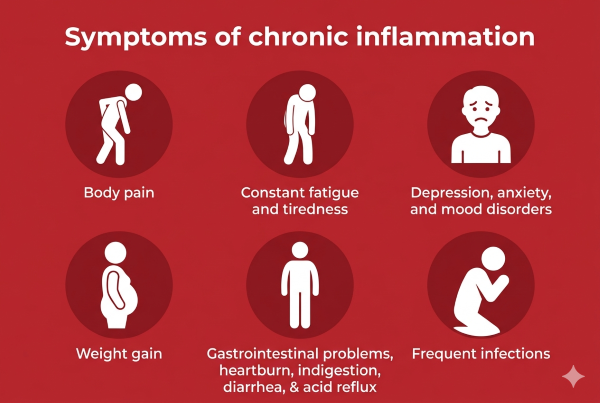
The typical symptoms of inflammation are:
- Fatigue or low energy
- Joint pain or stiffness
- Intestinal anguishes (bloating and pains)
- Neurological issue is erythema or acne.
- Frequent infections
Another reason that can also be mentioned is that there is a possibility of inflammation not showing any signs, and it can be explained by the fact that it can lead to the next level. It can be proved on the basis of blood tests which are frequently necessary to prove the existence of chronic inflammation.
Impact of Chronic Inflammation on Health
The answer to the question of whether alcohol causes inflammation is noteworthy since in the long term, chronic inflammation may have a tremendous effect on long-term health.
Here are some major risks:
1. Liver Disease
Fatty liver may either graduate to chronic inflammation, which may result in irreversible liver damage in the form of cirrhosis, or remain benign.
2. Cardiovascular Disease
The inflammation process applies to the blood vessels, whereby one is likely to have high blood pressure, heart attacks, and stroke.
3. Digestive Disorders
Alcohol can lead to inflammation in the gastrointestinal tract that may lead to perforation and other gastrointestinal diseases.
4. Mental Health Challenges
The study of people living with chronic inflammation has shown that they experience anxiety and depression besides suffering cognitive impairment, hence evidencing the mind-body relationship.
5. Weakened Immunity
The chronic inflammation kills the immune system and it becomes difficult to combat infections.
The greater the duration of the inflammation, the greater its irreversibility.
How to Reduce Inflammation
Well, do you care? Is it the Greeting Alcohol Cause Regulation? The people who promote encouragement should state that in most cases, the inflammation may be diminished using the assistance of the developed changes.
1. Cut Back or Stop Drinking
Negating inflammation is the most suitable of the alcohol mitigation or elimination strategies.
2. Improve Your Diet
Anti-inflammatory dietary foods like the following:
- Fruits and vegetables
- Whole grains
- Good fats are fatty acids that are present in fish (so-called omega-3).
3. Stay Hydrated
The consumption of water is adequate in helping the body to get rid of toxins, besides healing.
4. Exercise Regularly
Exercise will assist in handling the immune system and inflammation.
5. Get Enough Sleep
To rejuvenate the cells and minimize the inflammatory process, sleep is required.
Ready to Take Control of Your Health?
Once you have a problem with alcohol and your health is involved, then there is no reason to solve the problem on your own. DeLand Treatment Solutions is a professional personal assistance which will reduce alcohol consumption and swelling and heal your body.

Get in touch with a professional and start undergoing the process of detoxification every week.
And therefore, Does Alcohol Cause Inflammation? Yes, Mohamed and this understanding of the relationship might be a nadir in your health. Although infrequent drinking is not a risk factor to the damage category, regular alcohol intake could bring about chronic inflammation and unstable health circumstances.
The thing is that your body possesses a tremendous therapeutic ability. The effects of inflammation will be negative, hence reduced or eliminated by the use of reducing or avoiding alcohol consumption and other helpful changes in life; you will feel better not only physically but mentally too.
Prepare to Do the First Step to Recovery
DeLand Treatment Solutions remains willing to assist in case you are willing to minimize your alcohol and lead a superior life. Get in touch with DeLand treatment solutions, and decide your future.
To explore options for supervised support, contact DeLand Treatment Solutions
Disclaimer
This content is for informational and educational purposes only and is not a substitute for professional medical advice, diagnosis, or treatment. Always consult a qualified healthcare provider regarding any medical or mental health concerns.
Sources
- National Institute on Alcohol Abuse and Alcoholism (NIAAA)
- National Institutes of Health (NIH) – Alcohol and Inflammation Research
Frequently Asked Questions
Will quitting drinking reduce inflammation?
Yes, quitting alcohol can significantly reduce inflammation. The body begins healing within days to weeks. Over time, immune function improves, liver stress decreases, and inflammatory markers drop, especially when combined with a healthy lifestyle.
What are the symptoms of alcohol inflammation?
Symptoms include fatigue, headaches, joint pain, digestive issues, and skin problems. Some people also experience brain fog or mood changes. Chronic inflammation may not always show clear symptoms but can still affect internal organs.
What are the 5 classic signs of inflammation?
The five classic signs are redness, heat, swelling, pain, and loss of function. These are more noticeable in acute inflammation but may not always appear in chronic conditions caused by alcohol use.
How to get rid of inflammation after drinking?
Hydrate well, eat anti-inflammatory foods, rest, and avoid further alcohol intake. Light exercise and proper sleep can also help your body recover faster and reduce temporary inflammation.
How long does it take to get rid of inflammation from alcohol?
Mild inflammation may reduce within a few days of stopping alcohol. Chronic inflammation can take weeks or months to improve, depending on the severity and consistency of lifestyle changes.
What do 3 months without alcohol do to your body?
After three months without alcohol, many people experience improved liver function, better sleep, reduced inflammation, clearer skin, and enhanced mental clarity. Energy levels and overall health often improve significantly.