Key Takeaways
- Methadone is a long-acting opioid used in addiction treatment.
- It can be addictive if misused or taken without medical supervision.
- Side effects range from mild discomfort to serious health risks.
- Withdrawal symptoms can occur with prolonged use.
- Professional treatment programs offer safe and structured recovery options.
Methadone has been a well-received drug in dependence treatment and most especially used in the treatment of opioid dependence. The biggest question that lingers to a greater number of people is, Is methadone addictive? Side effects and treatment and its effectiveness as to whether it is really safe. Methadone is not the safe drug; it can be a good one, though, if it is properly used. One of its side effects is dependency. The medications’ effectiveness, the adverse effects of taking them, and the preferred mode of treatment need to be informed decisions about healing.
What is methadone?
Methadone is a man-made form of an opioid drug that is a synthetic drug commonly implemented in medication-assisted therapy programs (MAT). It could be used in alleviating craving and withdrawal effects in individuals who have been treated with opioids, heroin, or prescription painkillers.
However, in spite of the high-quality analgesic experience, unlike short-acting opioids, methadone will not lead to the same quantity of high; however, the first constant will be identical with methadone. This is what made it potentially applicable to stabilize those in recovery and facilitate the long-term treatment goals.
Is Methadone an Opiate?
Methadone is a synthetical opioid rather than a natural opiate. It also has the same impact on the receptors of the brain as other opioids. As a result, it will be able to produce the same effects, e.g. pain relief and sedation, and also possess the same potential risks, e.g. tolerance, physical dependence, and addiction.
Why is methadone addictive?
The largest question anyone will ask is, “Is it a decadent drug? It is true that in certain conditions, methadone is an addictive drug. Methadone has a certain impact on the system of rewards in the brain as it activates opioid receptors. As time goes on, the body becomes addicted to it, especially when:
- It is taken in large doses that are higher than required.
- It lacks the right medical management.
- Their consumption is in lengthened intervals without restraint.
Physical dependence can occur even in a prescription. It is a normal physiological process and should not be confused with addiction but proper medical care may be required.
What Does Methadone Do?
The effect of the action of methadone is its connection to the opioid receptors in the brain. This helps:
- Reduce cravings for opioids
- Prevent the appearance of withdrawal symptoms.
- Disillusion or negate the euphoric influences of other opioids.
Being a slow-acting one allows the person to live a more normal life without highs and lows of drug abuse that typify opioid use.
What is Methadone Used For?
Methadone may be used in two different forms:
Opioid Addiction Treatment
It is among the fundamental components of the medication-assisted treatment (MAT) which helps individuals to dispose of more destructive opioids and remain stable in the recovery process.
Chronic Pain Management
Methadone can be used as a serious and chronic pain drug in others with the situations where the medications have failed and are poorly tolerated. Taken under the supervision of the physician in the required amount, methadone could turn out to be life-saving. However, the abuse is a threat to the possible addiction and overdose and complications.
Methadone vs. Suboxone
Methadone and Suboxone are equally applied in the treatment of opioid addiction, and they do not share many things. Methadone is a full agonist of opioids; in other words, it is one that fully activates opioid receptors. The minimal agonist, which is a Suboxone ingredient, buprenorphine, is less effective and less susceptible to abuse. Suboxone also contains naloxone that deters abuse. The two drugs are effective; however, the most applicable one is relative to a particular need, health history, and clinical prescriptions.
Signs of Methadone Addiction
Intervention at an early age in the scenario of addiction can be of significance in the context of recovery. Some common signs of addiction include:
- Take more methadone than is recommended.
- Wants to do another dose of the drug.
- Switching Hospitals or Other Prescriptions.
- Incapable of managing things at the workplace, school, or residence.
- Its negative influence does not stop its constant use.
Behavior changes as a rule are one of the initial changes in behavior that can be determined as a sign of dependence on addiction.
Symptoms of Methadone Addiction
Methadone addiction can comprise of physical and mental symptoms, and they consist of:
- Haughtiness or great drowsiness.
- Disorientation or poor concentration.
- Results: Emotional instability, irritability, mood swings.
- Slowed or shallow breathing
- Nausea or constipation
These symptoms may worsen with the course of time and significantly impact the overall wellness and the healthy functioning.
Side Effects of Methadone Abuse
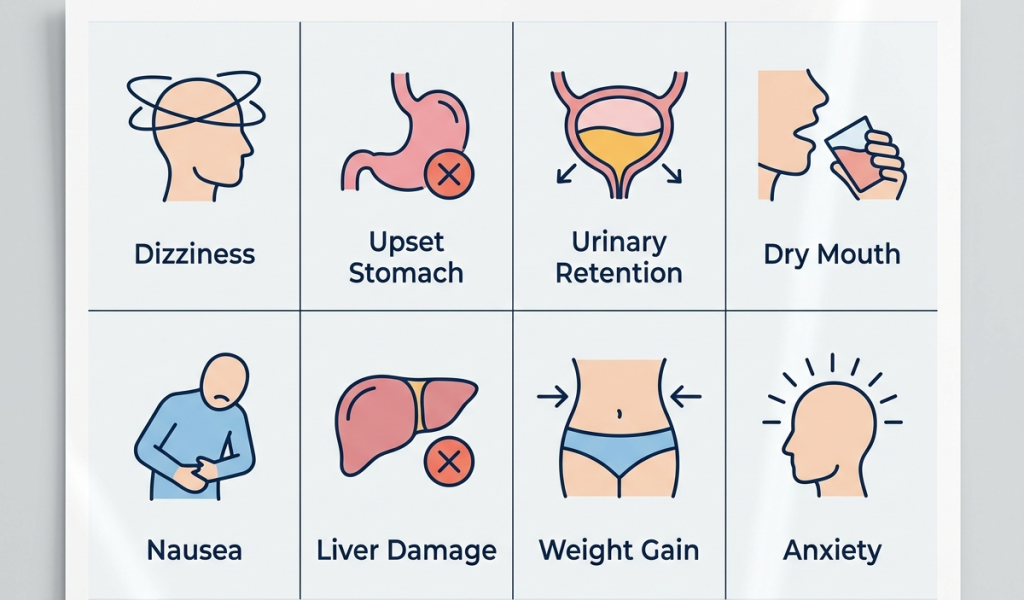
The motivation to study the dangers is relevant where discussing the question of the addictiveness of methadone. Side Effects and Treatment. Alongside the abuse of the drug mentioned that is methadone, the following side effects may be expected:
- Breathlessness/shortness of breath (slow and shallow breathing).
- Arrhythmias (e.g. QT prolonged)
- Low blood pressure
- Sexual dysfunction
- Increased risk of overdose
The use in the long term may also negatively affect mental health because this leads to anxiety, depression or thinking problems.
Methadone Withdrawal
Methadone withdrawal could be very challenging since it is long-acting. Symptoms may include muscle aches, insomnia, sweating, anxiety or restlessness, and nausea. The withdrawal symptoms are also chronic as opposed to short-acting opioids and can require weeks to overcome. It is upon this basis that gradual withdrawal and detox which can be controlled by medicines, are highly encouraged.
Seeking help from DeLand Treatment Solutions provides essential guidance
Can You Overdose on Methadone?
Yes, being overdosed on methadone is life-threatening and is particularly risky when it is not taken properly or in combination with other substances e.g. alcohol or benzodiazepine.
Signs of overdose include:
- Much drowsiness or insomnia.
- The breathing is either slow, intermittent, or interminable.
- Aching fingers and lipstick.
- Loss of consciousness or irresponsibility.
Methadone has been known to stay in the body long, therefore, when abused, overdose effects may take a long time to manifest, but it is very harmful unless strictly monitored.
Finding Help for Methadone Addiction in DeLand
When someone you love or you yourself is in pain and you are posing the question, is methadone addictive? Maybe it is high time to resort to professionals. In the case of DeLand Treatment Solutions, he or she will receive personal attention to help him at the physical and emotional levels of the addiction.

Some of the treatment options include:
- Medically supervised detox
- Inpatient/outpatient programs.
- Behavioral therapies are evidence-based therapies.
- Post-release planning and relapse prevention.
With the proper support, system, and mentorship, one can have an opportunity to heal.
Start Your Recovery Today
You do not see the need to do everything by yourself in case the use of methadone is a problem that bothers you. Implemented evidence-based practices, focusing on your needs, make DeLand Treatment Solutions an evidence-based provider of compassionate care. Slay now by calling and discussing with an expert and start leading a better and drug-free life.
To explore options for supervised support, contact DeLand Treatment Solutions
Disclaimer
This content is for informational and educational purposes only and is not a substitute for professional medical advice, diagnosis, or treatment. Always seek guidance from a qualified healthcare provider regarding any medical or mental health concerns.
FAQ’s
What are the dangers of methadone?
Methadone can cause serious side effects, including respiratory depression, heart rhythm issues, and overdose. Misuse increases these risks significantly. Long-term use may also lead to physical dependence and withdrawal symptoms if stopped abruptly without medical supervision.
Does methadone have addictive properties?
Yes, methadone has addictive properties because it acts on opioid receptors in the brain. While it is used therapeutically, misuse or prolonged use can lead to dependence and addiction, especially without proper medical oversight.
Does methadone damage the brain?
Methadone does not typically cause direct brain damage when used as prescribed. However, misuse or overdose can reduce oxygen to the brain, potentially leading to injury. Long-term abuse may also affect cognitive function and emotional regulation.
What are the benefits of taking methadone?
Methadone helps reduce opioid cravings and withdrawal symptoms, allowing individuals to stabilize their lives. It supports recovery by preventing relapse and improving daily functioning when used as part of a structured detox program.
What is the new drug instead of methadone?
Buprenorphine, often found in medications like Suboxone, is a newer alternative to methadone. It has a lower risk of misuse and is commonly prescribed in outpatient settings for opioid addiction treatment.
Do you sleep a lot on methadone?
Drowsiness is a common side effect of methadone, especially when starting treatment or adjusting doses. While some people may feel more tired, excessive sleepiness should be discussed with a healthcare provider regarding medication management to ensure proper dosing.
Sources
- Substance Abuse and Mental Health Services Administration (SAMHSA)
- National Institute on Drug Abuse (NIDA)
- Centers for Disease Control and Prevention (CDC)