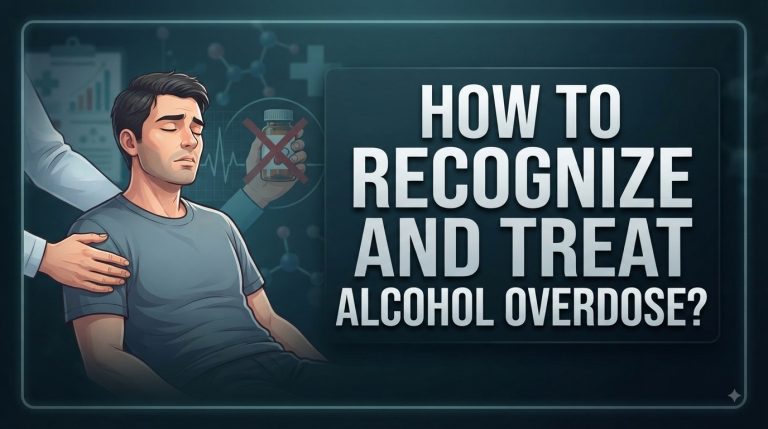
Perhaps you have a place to be in the morning and you’re mentally doing the math on a night’s drinking. Perhaps there’s a breathalyzer for work, a legal matter or perhaps the ignition interlock device you don’t even want to think about. Or perhaps this is a whole larger question you’ve been running from, regarding how much you or somebody you know has been drinking.
Now, no matter what led you to this point in your life you are right to say that this isn’t one of those “well, it depends” questions. The length that alcohol remains on a person’s breath is pretty consistent, and once you know the answer to that question, a lot of the guesswork is removed.
Let’s take you through the specifics of how alcohol appears on your breath, how breathalyzers detect it and the true meaning behind the numbers.
What Happens to Alcohol on Your Breath
Alcohol on your breath comes directly from alcohol circulating in your bloodstream, since some of it passes from your blood into your lungs and is exhaled with every breath.
This is not residual alcohol sitting in your mouth from your last drink. It is a continuous byproduct of alcohol moving through your blood, which is exactly why breathalyzers can estimate blood alcohol concentration (BAC) from a breath sample.
As long as alcohol remains in your bloodstream, it will continue showing up on your breath, generally following the same timeline as your overall BAC decline.
FACT: Alcohol clears the body at roughly 0.015% BAC per hour on average.
How Long Does Alcohol Stay on Your Breath
Alcohol is typically detectable on a breathalyzer for 12 to 24 hours after your last drink, though the exact window depends heavily on how much you actually consumed.
This is longer than most people expect. Even after you feel completely sober, measurable alcohol can still register on a breath test, particularly following a night of heavier drinking.
- One to two drinks: typically detectable for a few hours
- Moderate drinking (3 to 5 drinks): typically detectable for 6 to 12 hours
- Heavy drinking (6 or more drinks): can remain detectable for 12 to 24 hours or longer
Alcohol on Your Breath by Number of Drinks
This general estimate table can help illustrate how detection windows shift with total consumption, though individual results always vary.
Drinks Consumed | Estimated Peak BAC | Approximate Time to Clear |
1 standard drink | Around 0.02% | About 1 to 2 hours |
3 standard drinks | Around 0.06% | About 4 to 6 hours |
5 standard drinks | Around 0.10% | About 6 to 8 hours |
8 or more standard drinks | 0.15%+ | 10 hours or longer |
This table is meant to illustrate the general pattern, not to serve as a precise calculator. Body weight, sex, food intake, and individual metabolism all shift these numbers meaningfully, which is exactly why no simple formula can replace an actual test when it matters.
How Does a Breathalyzer Test for Alcohol Work
A breathalyzer estimates blood alcohol concentration by measuring the amount of alcohol in a deep lung breath sample, based on a fixed ratio between breath alcohol and blood alcohol.
Most devices rely on a 2,100 to 1 blood-to-breath ratio, meaning the alcohol concentration in a given volume of blood is assumed to be 2,100 times greater than in the same volume of breath. This ratio is a population average, not an exact measurement for every individual, which introduces a small margin of error into every reading.
Most U.S. states set the legal driving limit at 0.08% BAC, though this threshold is lower for commercial drivers and drivers under 21.
How Long Does Alcohol Stay in Your System Overall
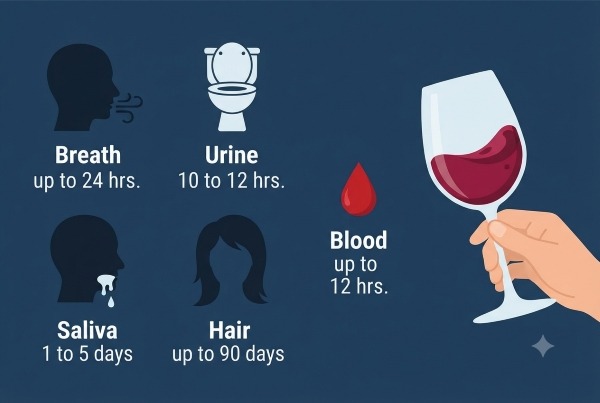
Beyond breath, alcohol remains detectable through several other testing methods, each with a different window than a standard breathalyzer.
Test Type | Typical Detection Window |
Breath | 12 to 24 hours |
Blood | Up to 12 hours |
Saliva | 12 to 24 hours |
Urine (standard test) | 12 to 24 hours |
Urine (EtG test) | Up to 80 hours |
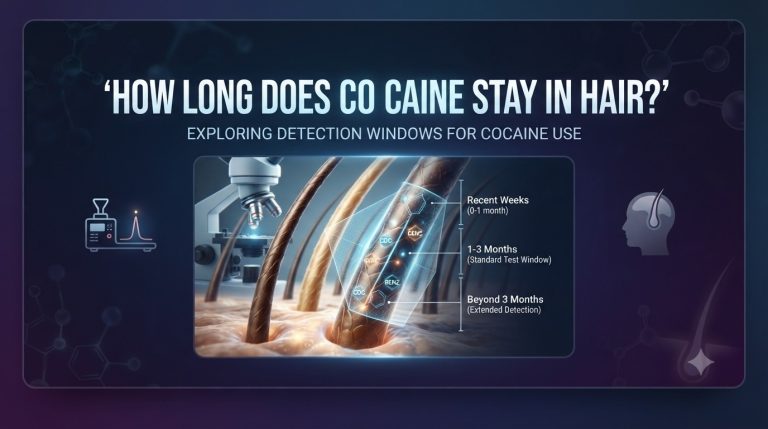
Hair | Up to 90 days |
The EtG urine test, which detects a metabolite called ethyl glucuronide, is significantly more sensitive than a standard breathalyzer and is often used in legal or workplace monitoring situations requiring a longer detection window.
What Changes How Long Alcohol Stays on Your Breath
Several individual factors influence exactly how long alcohol remains detectable, beyond simply how many drinks were consumed.
- Body weight. Alcohol distributes through body water, so lower body weight generally means a higher BAC from the same amount of alcohol.
- Biological sex. Women typically have a higher percentage of body fat and lower body water content than men of similar weight, which often results in a higher BAC and longer detection windows from equivalent drinking.
- Food intake. Eating before or while drinking slows alcohol absorption and can reduce peak BAC, though it does not significantly shorten the total detection window.
- Age. Metabolism naturally slows with age, meaning older adults may take longer to clear alcohol.
- Liver health. Since the liver processes the vast majority of consumed alcohol, any liver impairment significantly slows elimination.
Experts Advice: Allow time to metabolize alcohol fully, since no shortcut speeds elimination.
Common Myths About Beating a Breathalyzer
None of the popular tricks people rely on actually speed up alcohol elimination or reliably beat a breathalyzer, since your liver processes alcohol at a fixed rate regardless of outside efforts.
Common myths worth debunking:
- Coffee or cold showers: these may increase alertness but do not lower BAC or speed elimination
- Mints, gum, or mouthwash: these can mask breath odor but have no effect on actual alcohol concentration, and alcohol-based mouthwash can temporarily spike a reading
- Hyperventilating or holding your breath produces minimal, inconsistent effects on breathalyzer results
- Sucking on pennies or charcoal: based entirely on myth, with no actual effect on test results
“The only reliable way to pass a breathalyzer test is to allow time for your body to metabolize and eliminate the alcohol already present.” (Legal and forensic testing literature)
Attempting these shortcuts, especially before driving, does not reduce actual impairment and can create a false sense of safety.
Tired of managing the mornings after instead of the drinking itself? Call DeLand Treatment Solutions for real, lasting support.
When Alcohol on the Breath Signals a Bigger Pattern
An occasional positive breath test after a night out is different from a pattern where alcohol regularly shows up the next morning, at work, or in situations where it clearly should not.
Signs worth paying attention to include:
- Needing more alcohol over time to feel the same effect
- Drinking earlier in the day or hiding how much is consumed
- Alcohol still noticeably affecting mornings, work, or driving decisions
- Repeated unsuccessful attempts to cut back
- Withdrawal symptoms, such as shakiness or anxiety, when not drinking
- Continuing to drink despite consequences at work, home, or in relationships
If breathalyzer conversations keep coming up in your life, whether through work, legal situations, or a loved one’s concern, that repetition itself is worth paying attention to.
Does alcohol regularly linger into your mornings or workdays? DeLand Treatment Solutions can help you look at the bigger picture.
Getting Support at DeLand Treatment Solutions
If any part of this, the drinking calculator, the myths, or the signs of a bigger pattern, felt closer to home than expected, that recognition matters more than any test result ever could.
At DeLand Treatment Solutions, our clinical team provides evidence-based, compassionate care for individuals and families navigating alcohol use, from early concern to full dependence.
Depending on your needs, our team may recommend:
- Alcohol Addiction Treatment built around your specific drinking history and needs
- Medical Detox for safe, supervised support through alcohol withdrawal
- Dual Diagnosis Program for co-occurring anxiety, depression, or trauma alongside alcohol use
- Therapy for addiction, including individual and group counseling, to address what is driving the drinking
You do not have to wait for another difficult morning to reach out. Call us or reach out through our contact page any time, day or night.
FAQs
Q: How long does alcohol stay on your breath?
Alcohol is typically detectable on a breathalyzer for 12 to 24 hours after your last drink, depending on how much you consumed. Detection time varies based on your blood alcohol concentration (BAC), metabolism, body size, liver function, and whether you continued drinking over an extended period.
Q: Is there a calculator for how long alcohol stays on your breath?
Online calculators can provide rough estimates based on factors like body weight, biological sex, number of drinks, and time since drinking. However, individual metabolism, food intake, medications, and health conditions mean no calculator can accurately predict your exact breath alcohol level.
Q: How does a breathalyzer test for alcohol work?
A breathalyzer measures alcohol in a deep lung breath sample and estimates your blood alcohol concentration using a standardized blood-to-breath ratio of about 2,100 to 1. Modern devices analyze exhaled alcohol molecules to estimate impairment without requiring a blood sample.
Q: What can cause a breathalyzer to detect alcohol falsely?
Alcohol-based mouthwash, breath sprays, certain medications, or recently consumed alcoholic beverages can temporarily raise breathalyzer readings. To reduce inaccurate results, many testing protocols require an observation period before testing so any residual mouth alcohol has time to dissipate naturally.
Q: How long does alcohol stay in your system overall?
Alcohol is generally detectable in blood for up to 12 hours, standard urine tests for 12 to 24 hours, EtG urine tests for up to 80 hours, saliva for about 24 hours, and hair tests for as long as 90 days.
Q: Does eating before drinking shorten how long alcohol stays on your breath?
Eating before drinking slows alcohol absorption into the bloodstream and may reduce peak blood alcohol concentration. However, once alcohol has been absorbed, food does not significantly shorten how long it remains detectable on your breath or elsewhere in your body.
Q: Can coffee or a cold shower help you pass a breathalyzer faster?
No. Coffee, cold showers, exercise, or drinking water may help you feel more awake, but they do not speed up how quickly your liver processes alcohol. Only time allows your body to eliminate alcohol and lower your breath alcohol concentration.
Q: Why do women often have alcohol detectable longer than men?
Women generally have less body water and a higher body fat percentage than men of similar weight, often resulting in higher blood alcohol concentrations after consuming the same amount. Hormonal differences and alcohol metabolism can also affect detection times.
Q: What BAC level is considered dangerous?
A blood alcohol concentration above 0.15% causes severe impairment in coordination and judgment. Levels around 0.30% can lead to unconsciousness, while 0.40% or higher greatly increases the risk of respiratory depression, coma, and potentially fatal alcohol poisoning.
Q: Can you still be impaired even if you feel sober?
Yes. People with higher alcohol tolerance may feel relatively normal despite having an elevated blood alcohol concentration. Feeling sober does not mean coordination, judgment, reaction time, or decision-making have fully recovered, making activities like driving especially dangerous.
Q: What does it mean if alcohol regularly shows up on your breath the next morning?
Frequently having detectable alcohol on your breath the morning after drinking may suggest repeated heavy alcohol use rather than occasional social drinking. If this pattern continues, it may be worth discussing your alcohol use with a healthcare or treatment professional.
Q: When should someone seek help for alcohol use?
If drinking is affecting your health, relationships, work, finances, or daily responsibilities, or if you experience cravings or withdrawal symptoms when not drinking, it’s important to seek professional support. Early treatment can improve long-term recovery and help prevent serious complications.
References
- National Institute on Alcohol Abuse and Alcoholism: Understanding Alcohol Use Disorder
- CDC: Alcohol Use and Your Health
- National Highway Traffic Safety Administration: Drunk Driving
- MedlinePlus: Blood Alcohol Level
- Mayo Clinic: Alcohol Use Disorder Symptoms and Causes
- SAMHSA: Alcohol Use in the United States
- Cleveland Clinic: Alcohol Use Disorder
- World Health Organization: Alcohol Fact Sheet
- DeLand Treatment Solutions: Alcohol Addiction Treatment
- DeLand Treatment Solutions: Detox Care
This article is for informational purposes only and is not a substitute for professional medical advice. If you or a loved one needs support, DeLand Treatment Solutions is available to help.