Key Takeaways
- Binge drinking involves consuming a large amount of alcohol in a short time.
- Heavy drinking refers to consistent, high alcohol intake over days or weeks.
- Both patterns increase the risk of alcohol use disorder (AUD) and long-term health issues.
- Early intervention can prevent serious physical and mental health consequences.
- Professional support can make recovery safer and more sustainable.
It is a major problem, particularly to learn of the Binge Drinking vs. Heavy Drinking in the event that one is a casualty of the alcohol consumption or in the possibility that one of your family members is. Although these circumstances are chosen as similar ones, they write about the different drinking habits which have their own threats, red flags and long-term outcomes. The knowledge of the difference might help you realize your bad habits early enough and begin doing major things to become healthy.
In DeLand Treatment Solutions, we consider learning to be the initial step to healing. We ought to slice this easily to relate to in the sense that we are better placed to be aware of what is happening and where to go at this stage.
Binge Drinking vs. Heavy Drinking
Binge drinking refers to an acute, high-volume (4-5 or more drinks in two hours) consumption that is focused on intoxication, whereas heavy drinking refers to a long-term, high-frequency (8-15 drinks per week) consumption pattern that causes chronic health problems. Both are types of overdrinking, and heavy drinking is often considered as containing 5 or more binge drinking episodes during a month.
Their effects on the body are not healthy, but in the vast majority, they both cross the borders.
100% Confidential Support is Available 24/7
No matter what you’re going through, you’re not alone. Our dedicated team is here to provide a safe, judgment-free space where you can talk openly and honestly. Whether you need emotional support, resources, or just someone to listen.
We’re here for you—completely confidential and always respectful of your privacy. Call us today!
What is Binge Drinking
Binge drinking is a habit of excessive drinking that results in blood alcohol concentration (BAC) that is lower than the normal level.
or greater, and this generally within two hours. This is typically 5 or above drinks among men or 4 or more drinks among women on one instance.
Talking about the Binge Drinking vs. Heavy Drinking, it can be associated with the binge drinking being somewhat related to:
- Sociological environments or gatherings.
- Impulsive behavior
- There is an increase in mishap and injury risks.
- This may not happen every day, however, the consequences may be terrible.
Deland Treatment Solutions
Battling with Drug and Alcohol Addition? Remember, you are not alone and we are here to help you!
What’s Alcohol Use Disorder?
Alcohol Use Disorder (AUD) is a medical condition where one is not in a position to control or stop drinking despite the negative consequences. It may arise out of the binge drinking as well as the heavy drinking pattern.
Signs include:
- Cravings for alcohol
- Lack of control of consumption.
- Consuming alcohol in spite of its damage.
Comparing Binge Drinking and Heavy Drinking, both types may cause AUD in case they are not treated.
Seeking help from DeLand Treatment Solutions provides essential guidance
What is Heavy Drinking?
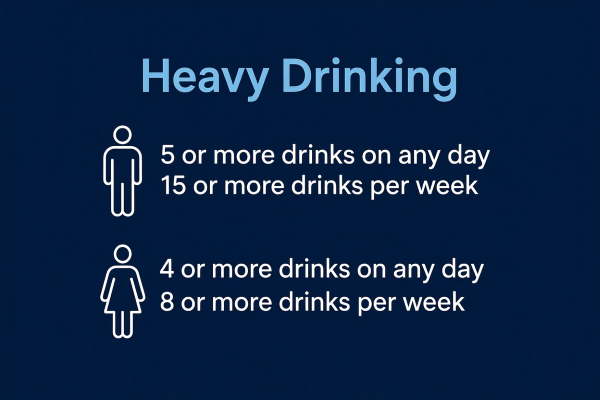
Alcoholic consumption: The CDC and NIAAA define alcohol abuse as drinking 8 or more drinks a week, or 15 or more drinks a week in women and 15 or more drinks a week in men. It is a kind of heavy drinking, which puts people at risk of chronic disorders and alcohol use disorder (AUD). It can be synonymous with alcohol misuse, high-risk drinking or heavy alcohol use.
Considered Heavy Drinking (Weekly Thresholds)
Women: 8 or above weekly drinks.
Men: 15 or more drinks in a week.
Binge Drinking Side Effects
Short-term and life-threatening effects of binge drinking may include:
- Ineffective decision-making and gambling ways.
- Alcohol poisoning
- Fits, blackouts, and memory loss.
- Accidents and injuries
Due to the severity, binge drinking may take much less time to take a toll on the body. In a case between Binge Drinking and Heavy Drinking, binge drinking would lead to an unexpected emergency.
Heavy Drinking Side Effects
Alcoholism is likely to result in slow but grave harm, which includes
- The liver disease (fatty liver, cirrhosis)
- Heart problems
- Depression and anxiety
- Weakened immune system
In the constant debate done on Binge Drinking vs. Heavy Drinking the weight of drinking is usually associated with the decay of health in the long term as opposed to the crisis.
Is Binge Drinking Worse Than Daily Drinking
It is one of the typical questions when one speaks about the Binge Drinking vs. Heavy Drinking.
- The fact is, both of them are bad in some way.
- Alcoholism predisposes one to accidents, overdose, and unanticipated injuries.
- Chronic diseases and dependency are the results of daily heavy drinking.
- There is no better or safer one.
The issue should be how the two patterns will affect your physical and psychological well-being in the long run.
How is Binge Drinking Different From Moderate Drinking?
Moderate drinking is being able to take alcohol in prescribed amounts and not experience negative effects.
Key differences:
- It is moderate drinking, which is not often and is controlled.
- Excessive and rapid drinking is binge drinking.
- The moderate drinkers are conscious and in control.
The consciousness of the Binge Drinking vs. Heavy Drinking also help to see more of what
constitutes healthy drinking behavior when the situation is heading in the wrong direction.
Take the First Step Toward Change
You need not figure it out independently since you are able to track that you are undergoing certain tendencies of being a binge drinker or a hard drinker in your existence. You will not despair and you will move on to DeLand Treatment Solutions, where you will be getting kind-hearted care and individual care. What a small feat can be done in the present could be done a long, long way in the future.
Binge Drinking and Heavy Drinking Treatment
The two patterns can be treated using the following:
- Detox (in case of necessity) Medical.
- Behavioral therapy
- Support groups and counseling.
- Relapse prevention planning
Considering the case of Binge Drinking vs. Heavy Drinking, treatment programs are outlined depending on the severity, frequency, and causes.
Timely intervention is important. The earlier you get help, the better the chances are that you may recover.

Ready to Reclaim Your Life?
You have to be clear, become stable, and calm down. DeLand Treatment Solutions offers us a new avenue, be it the intercessions of binge drinking now and then or the heavy drinking, which is habitual. Be informed, research your opportunities, and take that first step to a healthier tomorrow by living healthier now.
Disclaimer
This information is informational and educational, and it is not aimed to substitute professional medical advice, diagnosis, and treatment. I suggest that you or an individual you know should consult an affordable medical professional or a registered addiction lab technician should you or he be in a dilemma about alcohol use.
FAQs
What is the difference between binge and heavy drinking?
Binge drinking involves consuming large amounts of alcohol in a short time, while heavy drinking refers to consistently drinking above recommended weekly limits. Both are harmful but differ in frequency and pattern of alcohol consumption.
Can alcohol make SIBO worse?
Yes, alcohol can worsen SIBO symptoms by disrupting gut bacteria balance, increasing inflammation, and impairing digestion. Frequent drinking may aggravate bloating, discomfort, and nutrient absorption issues associated with SIBO.
What does binge drinking do to you?
Binge drinking rapidly increases blood alcohol levels, impairing judgment, coordination, and memory. It raises the risk of accidents, alcohol poisoning, and risky behaviors, while also putting stress on vital organs like the liver and heart.
What are the four types of drinkers?
The four common types include social drinkers, binge drinkers, heavy drinkers, and dependent drinkers. Each category reflects different patterns and risks, ranging from occasional use to chronic alcohol dependence requiring professional intervention.
What happens if you drink too much alcohol every day?
Daily excessive alcohol use can damage the liver, heart, and brain. It increases the risk of addiction, mental health issues, weakened immunity, and long-term diseases such as cirrhosis and cardiovascular problems.
What are the warning signs of alcoholism?
Common signs include cravings, loss of control, increased tolerance, withdrawal symptoms, neglecting responsibilities, and continuing to drink despite negative consequences. These indicate a potential alcohol use disorder needing professional evaluation.
What are the first signs of liver damage from alcohol?
Early signs include fatigue, nausea, abdominal discomfort, and mild swelling. As damage progresses, symptoms like jaundice, dark urine, and unexplained weight loss may appear, signaling the need for immediate medical attention.
Is binge drinking worse than regular drinking?
Binge drinking carries immediate risks like accidents and alcohol poisoning, while regular heavy drinking leads to long-term health damage. Both are dangerous, and neither should be considered safer than the other.
Is 4 drinks a day considered heavy drinking?
Yes, regularly consuming four drinks a day exceeds moderate drinking guidelines for most individuals and may be classified as heavy drinking, especially when sustained over time or combined with other risk factors.
How many hours is considered binge drinking?
Binge drinking typically occurs within a two-hour period where enough alcohol is consumed to raise blood alcohol concentration to 0.08% or higher, depending on body weight and metabolism.
What is the 3:2:1 drinking rule?
The 3:2:1 rule suggests spacing drinks (3 hours before bed, 2 glasses of water, 1 drink limit) to reduce alcohol effects. While helpful, it doesn’t eliminate risks associated with excessive drinking.
What are the common triggers for binge drinking?
Triggers include stress, social pressure, emotional distress, celebrations, and environmental cues. Recognizing these triggers is essential for preventing unhealthy drinking patterns and building healthier coping strategies.
What is the 2 2 2 rule for alcohol?
The 2-2-2 rule typically refers to limiting drinks, spacing them out, and hydrating in between. While it promotes moderation, it does not fully prevent the risks associated with excessive alcohol use.
What happens to your body when you stop binge drinking?
Stopping binge drinking improves liver function, sleep quality, mental clarity, and overall health. Over time, the body begins repairing damage, reducing inflammation, and restoring balance to physical and emotional systems. Learn more about what happens to your body when you quit drinking alcohol.
What are the 4 stages of alcoholism?
The stages include pre-alcoholic, early-stage, middle-stage, and late-stage alcoholism. Each stage reflects increasing dependence, health risks, and behavioral changes, often requiring progressively intensive treatment and support through residential or outpatient treatment programs.
Sources
- National Institute on Alcohol Abuse and Alcoholism (NIAAA)
- Centers for Disease Control and Prevention (CDC)
- Substance Abuse and Mental Health Services Administration (SAMHSA)\Healthline – Alcohol Use and Drinking Patterns