Drugs are natural or manufactured substances that change how the brain and body function. Some are prescribed by healthcare providers to treat medical conditions; others are used recreationally or illegally. Many medications genuinely improve health when taken as directed, but misuse can lead to dependence, addiction, physical illness, mental health challenges, and social problems. Understanding the different types of drugs, how they work, and the real risks of misuse is the first step toward making informed decisions and knowing when to seek help.
What You’ll Learn
- How drugs affect the body and brain
- The major categories of drugs and how each is used
- The difference between medical use and misuse
- Short-term and long-term effects of drugs
- Warning signs of drug misuse
- Why early treatment and professional support matter
What Are Drugs?
Drugs are natural or manufactured substances that change how the brain and body function. Some are prescribed by healthcare providers to treat medical conditions; others are used recreationally or illegally. Many medications genuinely improve health when taken as directed, but misuse can lead to dependence, addiction, physical illness, mental health challenges, and social problems. Understanding the different types of drugs, how they work, and the real risks of misuse is the first step toward making informed decisions and knowing when to seek help.
What You’ll Learn
- How drugs affect the body and brain
- The major categories of drugs and how each is used
- The difference between medical use and misuse
- Short-term and long-term effects of drugs
- Warning signs of drug misuse
- Why early treatment and professional support matter
100% Confidential Support is Available 24/7
No matter what you’re going through, you’re not alone. Our dedicated team is here to provide a safe, judgment-free space where you can talk openly and honestly. Whether you need emotional support, resources, or just someone to listen.
We’re here for you—completely confidential and always respectful of your privacy. Call us today!
What Are Drugs?
Drugs are substances that change how the body or brain works, affecting mood, thoughts, energy, pain levels, sleep, or physical health. Some are essential medicines that help people recover from illness or manage chronic conditions. Others are illegal or are misused in ways that raise the risk of addiction and other serious health problems.
Not every drug is harmful. Prescription medications, over-the-counter medicines, and certain natural substances can genuinely improve health when used correctly. Problems tend to start when drugs are taken without medical guidance, in higher doses than prescribed, or purely to experience a mind-altering effect.
At DeLand Treatment Solutions, drug misuse is often connected to emotional pain, trauma, stress, or an untreated mental health condition, and treatment that addresses those underlying factors tends to help people regain control more effectively than treating the substance use alone.
Key Takeaways
- Drugs are substances that alter brain or body function.
- Some drugs are medically necessary, while others carry a high risk of misuse.
- Drug misuse can affect physical health, mental well-being, relationships, work, and finances.
- Addiction is a medical condition, not a personal failure.
- Early intervention improves recovery outcomes.
- Professional addiction treatment offers support, education, therapy, and long-term recovery planning.
Deland Treatment Solutions
Battling with Drug and Alcohol Addition? Remember, you are not alone and we are here to help you!
Understanding Drugs
Drugs work by interacting with the body’s natural systems, especially the brain, and different drugs produce different effects depending on how they influence neurotransmitters, the brain’s chemical messengers. Some reduce pain, others sharpen attention, and some slow or speed up brain activity generally.
When drugs are misused repeatedly, the brain can begin to depend on them, making it genuinely difficult to function normally without continued use. Over time, that pattern can progress through increased tolerance, physical dependence, psychological dependence, a diagnosable substance use disorder, and full addiction, affecting nearly every part of daily life along the way, including work, school, family relationships, and overall health.
Types of Drugs
Drugs fall into several categories based on how they affect the brain and body, and understanding these categories helps explain why different drugs produce such different physical and psychological effects.
Prescription Drugs
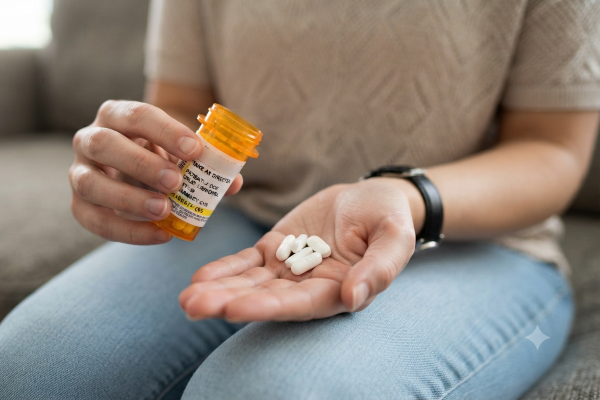
Medications prescribed by licensed healthcare providers to treat specific conditions, including pain management, anxiety, depression, ADHD, and sleep disorders. Taken exactly as prescribed, these can be safe and effective, but taking larger doses, using someone else’s prescription, or combining them with alcohol or other drugs significantly raises the risk of addiction and overdose.
Over-the-Counter (OTC) Drugs
Medications available without a prescription, including pain relievers, cold and flu medicine, allergy medications, and cough suppressants. These are generally safe when used as directed, but some become dangerous in excessive amounts or when mixed with other substances.
Depressants
Depressants slow activity within the central nervous system, producing relaxation, drowsiness, slower breathing, and reduced anxiety. Benzodiazepines, sleep medications, and barbiturates fall into this category. Misusing depressants raises the risk of respiratory depression, unconsciousness, and fatal overdose, especially when combined with alcohol.
Stimulants
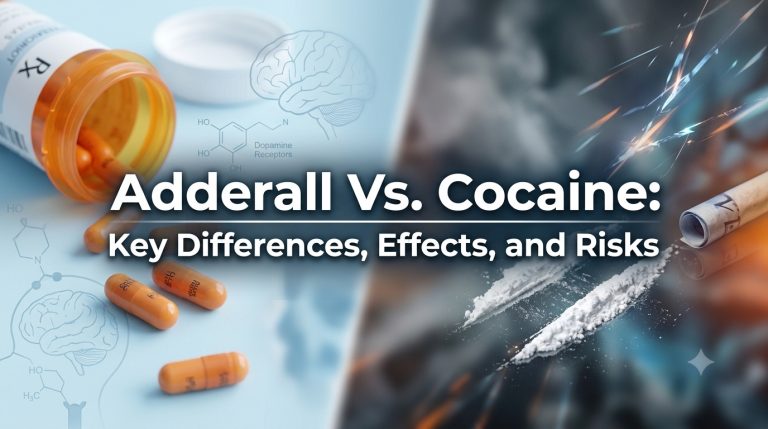
Stimulants increase brain activity and boost energy, often producing increased alertness, a faster heart rate, elevated blood pressure, reduced appetite, and, when medically prescribed, improved concentration. Prescription ADHD medications, cocaine, and methamphetamine all fall into this category. Repeated misuse can contribute to heart problems, anxiety, paranoia, and addiction.
Opioids
Opioids relieve pain by attaching to opioid receptors in the brain. Medical opioids include medications prescribed after surgery or injury; illegal opioids like heroin produce similar effects but carry an even greater risk. Possible effects include pain relief, euphoria, sleepiness, and slowed breathing, and long-term misuse is strongly linked to dependence and overdose.
Hallucinogens
Hallucinogens alter perception, mood, and sensory experience, producing visual distortions, altered thinking, changes in time perception, and emotional swings. Because they affect judgment and awareness directly, they raise the likelihood of risky behavior and accidental injury.
Cannabis
Cannabis contains compounds that affect brain receptors involved in memory, mood, and coordination, and depending on the person and amount used, it can cause relaxation, altered perception, impaired memory, slower reaction time, and difficulty concentrating. Frequent use raises the risk of cannabis use disorder, particularly for younger people whose brains are still developing.
Inhalants
Inhalants are household products, like paint thinner, glue, aerosol sprays, and cleaning fluids, whose chemical vapors are intentionally breathed in for an intoxicating effect. They’re often overlooked, but they can cause severe brain damage, heart problems, and sudden death even after a single use.
How Drugs Affect the Brain
The brain communicates using neurotransmitters, and many drugs interfere directly with that communication. Some drugs release unusually high amounts of dopamine, creating an intense sense of pleasure, and the brain adapts to those artificial surges over time.
As that adaptation continues, natural rewards start to feel less satisfying; more of the drug is needed to produce the same effect, cravings intensify, decision-making gets harder, and stopping becomes progressively more difficult. These brain changes are exactly why addiction is treated as a chronic medical condition rather than simply a failure of willpower.
How Drugs Affect the Body
Drugs primarily act on the brain, but they touch nearly every organ system along the way. On the cardiovascular system, some drugs raise blood pressure and heart rate, increasing the risk of heart attack, stroke, and irregular heartbeat. On the respiratory system, certain drugs slow breathing while others damage lung tissue or raise the risk of respiratory infection.
The liver and kidneys, which process and remove drugs from the body, can sustain real damage from long-term misuse that reduces their ability to function. The immune system can weaken, making it harder to fight off ordinary illnesses. And the digestive system often bears the brunt too, with nausea, constipation, appetite changes, stomach pain, or nutritional deficiencies showing up depending on the substance.
Early Signs of Drug Misuse
Recognizing warning signs early tends to lead to better recovery outcomes. Physical signs can include bloodshot eyes, sudden weight changes, poor hygiene, slurred speech, frequent illness, or shifts in sleep patterns. Behaviorally, watch for secretiveness, mood swings, declining performance at work or school, financial trouble, a loss of interest in hobbies, relationship conflict, or a general increase in risk-taking. Emotionally, anxiety, depression, irritability, anger, or a loss of motivation often show up alongside the rest.
Recovery Begins with the Right Support
Seeking help early can prevent more serious health complications and improve long-term recovery outcomes. At DeLand Treatment Solutions, treatment is built to address both the addiction itself and the underlying factors driving it. Whether you or someone you care about is struggling, professional support can make a real difference
The Impact of Drugs on Society
Drug misuse reaches well past the individual using the drug. Families, schools, workplaces, healthcare systems, and entire communities feel real effects, even though some of these same substances have legitimate, important medical uses.
Effects on families: Families often carry real emotional and financial stress when a loved one struggles with addiction: lost trust, more conflict, financial hardship, neglected responsibilities, and emotional strain on children and spouses alike. Family support is often central to successful recovery, which is why many treatment programs build in family therapy specifically to help rebuild those relationships.
Effects on communities: Communities dealing with widespread drug misuse often see higher rates of crime, homelessness, unemployment, and healthcare costs, along with heavier demand on emergency medical services, hospitals, and law enforcement tied to overdoses and drug-related incidents. Investment in prevention, education, and treatment tends to reduce that long-term burden.
Effects on the workplace: Employees affected by drug misuse can struggle with reduced productivity, more absenteeism, workplace accidents, poor decision-making, and trouble holding onto employment at all. Supportive workplace policies and real access to treatment help employees recover while improving overall workplace safety.
Why Do People Misuse Drugs?
There’s rarely a single reason someone starts misusing drugs. Addiction is shaped by biological, psychological, and environmental factors together, including a family history of addiction, untreated anxiety or depression, trauma or adverse childhood experiences, chronic stress, peer pressure, easy access to addictive substances, simple curiosity, or chronic pain that requires ongoing prescription medication. Recognizing these risk factors helps people notice earlier when professional support might genuinely help.
Seeking help from DeLand Treatment Solutions provides essential guidance
Can Drug Addiction Be Prevented?
Not every case is preventable, but many people can lower their risk through informed choices and early help-seeking: learning about the real risks of drug misuse, taking prescription medications only as directed, safely storing and disposing of medication, avoiding recreational drug use, building genuine coping skills, seeking mental health support when it’s needed, maintaining supportive relationships, and taking part in community education. Parents, teachers, healthcare providers, and community organizations all play a real role in prevention.
When Should You Seek Professional Help?
Occasional experimentation can turn into a pattern of misuse faster than people expect, and seeking treatment early tends to produce better outcomes and fewer long-term complications. Consider reaching out if you or someone you love can’t stop using despite wanting to, needs increasing amounts of a drug to feel the same effect, experiences withdrawal symptoms, keeps using despite health, legal, or relationship problems, has lost interest in work, school, or family responsibilities, or has already had an overdose or a close call. There’s no “right” time to ask for help; the earlier treatment begins, the greater the opportunity for lasting recovery.

Treatment for Drug Addiction
Effective treatment addresses the whole person, not just the drug use itself, with a plan built around each individual’s needs that usually combines medical care, therapy, education, and ongoing support.
Medical Detox
Medical detox helps someone safely manage withdrawal symptoms under professional supervision, and it’s often the first step for anyone who’s developed physical dependence.
Residential Treatment
Structured, 24-hour care in a supportive environment, with therapy, education, and relapse prevention planning while someone focuses entirely on recovery.
Outpatient Programs
Let someone continue work, school, or family responsibilities while attending scheduled therapy sessions and recovery programming.
Individual Therapy
One-on-one work with a therapist to understand the emotional, behavioral, and psychological factors behind the substance use specifically.
Group Therapy
Peer support, shared experience, and practical recovery strategies in a safe, encouraging setting.
Dual Diagnosis Treatment
Many people with addiction also live with a mental health condition like depression, anxiety, PTSD, or bipolar disorder. Treating both together tends to produce a more effective, more lasting recovery than treating either alone.
Aftercare Planning
Recovery continues after formal treatment ends, and aftercare, ongoing counseling, support groups, relapse prevention strategies, and community resources help maintain long-term sobriety once everyday life resumes.
Take the First Step Toward Recovery Today
If you or someone you love is struggling with drugs or other addictive substances, you don’t have to face it alone. DeLand Treatment Solutions provides addiction treatment built to help individuals safely work through substance use disorders and build healthier lives, with a team that understands every recovery journey looks a little different.
Contact DeLand Treatment Solutions today to learn more about your treatment options.
Frequently Asked Questions
What are drugs?
Drugs are substances that change how the brain or body functions. Some are prescribed to treat medical conditions, while others are used recreationally or illegally. Misusing drugs can lead to dependence, addiction, and serious health complications.
What are the main types of drugs?
The main categories include prescription medications, over-the-counter medicines, opioids, stimulants, depressants, hallucinogens, cannabis, and inhalants. Each type affects the brain and body differently and carries its own risks when misused.
Can prescription drugs become addictive?
Yes. Prescription medications such as opioids, certain anti-anxiety medicines, and some stimulants can become addictive if they are taken differently than prescribed or used without medical supervision.
What are the warning signs of drug addiction?
Common warning signs include intense cravings, needing larger amounts of drugs, withdrawal symptoms, mood changes, neglecting responsibilities, relationship problems, financial difficulties, and continuing drug use despite negative consequences.
Can drug addiction be successfully treated?
Yes. Drug addiction is a treatable medical condition. Evidence-based treatment, including medical care, behavioral therapy, counseling, and long-term recovery support, helps many people achieve and maintain lasting recovery.
Disclaimer
This blog is intended for educational and informational purposes only and should not be considered medical advice, diagnosis, or treatment. Every individual’s situation is different. If you or someone you know is experiencing problems related to drugs or other substances, consult a qualified healthcare provider or contact DeLand Treatment Solutions for a professional assessment.
If you believe someone is experiencing a drug overdose or other medical emergency, call 911 immediately or seek emergency medical care.
References
The information in this article was developed using evidence-based guidance from trusted health organizations, including:
- Cleveland Clinic. Addictive Substances: What They Are, Types & Effects. https://my.clevelandclinic.org/health/articles/addictive-substances
- National Institute on Drug Abuse (NIDA). https://nida.nih.gov
- Substance Abuse and Mental Health Services Administration (SAMHSA). https://www.samhsa.gov