It is one of the most important choices a person or family can make to seek out long-term residential psychiatric care. It typically doesn’t occur as an off-the-cuff event. When people are looking for this type of care, they have usually previously failed with other less intensive programs, outpatient care or shorter-term care.
If you fall into that category today, this guide provides you with some information you may not find in most of the search results about what long-term residential psychiatric facilities are, what to expect from a treatment program, who should be there, and what long-term psychiatric facilities near DeLand, FL are worth considering.
We address DeLand Treatment Solutions first due to the fact that it is the nearest to DeLand and offers a long-term residential program. We also discuss other facilities in Central and South Florida for family members who are comparing facilities and looking for a special kind of care.
Experts Advice: Choose facilities treating co-occurring conditions together, not mental health and addiction separately.
What is a Long-Term Residential Psychiatric Facility?
A long-term residential psychiatric facility is a behavioral health and treatment facility in which patients reside on-site, usually for a long period of time (30 days or more, and possibly years) for intensive psychiatric and behavioral health care.
Unlike short-term crisis stabilization, which focuses on stabilizing acute symptoms quickly, long-term residential treatment is designed to provide the time and depth of therapeutic engagement needed for genuine, durable recovery. Residents receive round-the-clock support, clinical supervision, psychiatric care and medication management, evidence-based therapy, skills-building programming, and structured daily routines that support long-term change.
Who Needs Long-Term Residential Psychiatric Care?
Long-term residential treatment is appropriate when a person’s mental health or co-occurring conditions are severe enough that outpatient or short-term care is insufficient. Common indicators include:
- Previous attempts at outpatient, IOP, or short-term inpatient treatment that did not produce lasting stabilization
- Severe or complex mental health conditions that require extended therapeutic engagement to address
- A dual diagnosis combines a mental health condition and a substance use disorder, both requiring simultaneous treatment
- Significant trauma or PTSD that requires sustained, safe therapeutic processing over time
- A history of relapse suggests that the recovery environment and skills foundation need to be built more thoroughly
- Persistent suicidal ideation or self-harm patterns that require structured containment and clinical oversight
- Inability to maintain safe or stable functioning in an unsupported community setting
- Social environments at home that undermine recovery make a therapeutic residential setting the safest option for building new patterns
Recognize these signs in yourself or a loved one? Call DeLand Treatment Solutions to discuss residential treatment options today.
What to Expect in a Long-Term Residential Program
Understanding what daily life looks like in a residential psychiatric facility reduces anxiety about the admission process and helps families prepare their loved one for what is ahead.
The Intake and Assessment Process
Every reputable residential facility begins with a comprehensive intake evaluation. This typically includes a psychiatric assessment, a full medical examination, substance use screening, a review of prior treatment history, and a psychosocial assessment covering the person’s history, relationships, trauma, and goals.
The outcome of this assessment is a personalized treatment plan that identifies specific therapeutic goals, appropriate therapy modalities, medication needs, and the target length of stay. Most quality facilities reassess and update treatment plans on a regular basis as the person progresses.
A Structured Daily Schedule
Long-term residential programs operate on structured daily schedules that typically include:
- Individual therapy sessions with a licensed therapist (frequency varies by program and phase of treatment)
- Group therapy sessions covering shared clinical content, process groups, and skills-building workshops
- Psychiatric appointments and medication management
- Psychoeducation groups covering topics relevant to the person’s diagnoses
- Holistic and wellness activities such as yoga, meditation, recreational therapy, or art therapy
- Meals prepared on-site, with nutrition as part of the therapeutic environment
- Time for reflection, peer connection, and structured personal activities
The structure is intentional. Routine supports nervous system regulation, reduces anxiety, and builds the daily habits that support long-term recovery outside of treatment.
Therapeutic Modalities
Evidence-based therapies commonly offered in long-term residential psychiatric programs include:
Cognitive Behavioral Therapy (CBT): Identifies and reshapes the thought patterns and behavioral responses driving psychiatric symptoms. First-line treatment for depression, anxiety, PTSD, and many other conditions.
Dialectical Behavior Therapy (DBT): Builds emotional regulation, distress tolerance, mindfulness, and interpersonal effectiveness. Particularly effective for borderline personality disorder, suicidal ideation, and self-harm patterns.
Eye Movement Desensitization and Reprocessing (EMDR): A trauma-focused therapy with strong evidence for processing traumatic memories and reducing PTSD symptoms.
Acceptance and Commitment Therapy (ACT): Develops psychological flexibility and the ability to engage with difficult emotions without avoidance.
Family Therapy: Involves family members in the treatment process, repairs relational dynamics, and prepares the home environment to support recovery.
Trauma-Informed Therapy: Addresses the root impact of adverse experiences on mental health, behavior, and substance use patterns.
Medication Management: Psychiatric prescribers assess, initiate, and manage medications throughout the residential stay, adjusting as needed to support symptom reduction.
Length of Stay
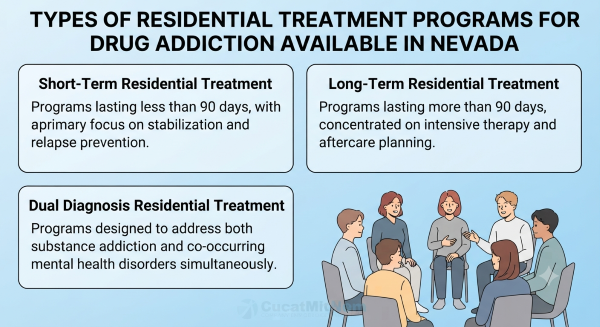
Length of stay varies significantly depending on the individual’s diagnosis, severity, progress, and circumstances. General ranges:
Program Type | Typical Duration |
Short-term inpatient/crisis stabilization | 3 to 14 days |
Standard residential treatment | 30 to 60 days |
Long-term residential treatment | 60 to 180 days |
Extended residential programs | 6 months to 1 year |
Many individuals begin at one level and extend their stay based on clinical progress and ongoing need. The most effective programs do not use fixed discharge dates but adjust based on how the person is actually doing.
FACT: Long-term residential psychiatric programs typically last sixty to one hundred eighty days.
Insurance and Cost Considerations
Most private insurance plans cover residential psychiatric treatment when it is deemed medically necessary, under the Mental Health Parity and Addiction Equity Act (MHPAEA), which requires mental health and substance use treatment benefits to be comparable to medical coverage. Medicare and Medicaid also cover certain levels of residential psychiatric care.
Key questions to ask any facility about insurance coverage:
- Is this facility in-network with my insurance plan?
- What documentation do you provide for prior authorization?
- Is there a utilization review process during the stay, and how do you handle appeals?
- What are my out-of-pocket responsibilities?
All of the facilities listed in this guide have admissions teams who can verify insurance benefits before admission.
Long-Term Residential Psychiatric Facilities in DeLand, FL and Nearby
1. DeLand Treatment Solutions (DeLand, FL)
DeLand Treatment Solutions is DeLand’s primary long-term residential psychiatric and dual diagnosis treatment facility, situated in Central Florida’s Volusia County and easily accessible from communities across the region including Daytona Beach, Sanford, Orlando, and surrounding areas.
DTS offers a Long-Term Residential Mental Health Program of more than 30 days, providing a structured, evidence-based residential environment for adults managing mental health conditions, co-occurring substance use disorders, and complex dual diagnosis presentations. The facility is licensed by the Florida Agency for Healthcare Administration, accredited by The Joint Commission, and holds licensure with the Florida Association of Recovery Residences (FARR). DTS is also a member of the National Association of Addiction Treatment Providers (NAATP).
The residential program at DeLand Treatment Solutions operates on a 12-bed, dual-diagnosis model within a fully renovated, two-acre facility designed to provide privacy, comfort, and a supportive therapeutic environment. Residents receive fresh, nutritious meals prepared daily, access to on-site holistic activities including yoga and meditation, and a low staff-to-patient ratio that supports individualized attention and genuine therapeutic relationships.
The clinical team at DTS brings together licensed mental health providers, therapists, and For individuals with primary mood and anxiety disorders, DTS also offers brain stimulation therapy as a non-invasive, evidence-based alternative for conditions like depression that have not responded fully to medication.
DTS also provides a full continuum of care beyond residential, including Outpatient Programs, Intensive Outpatient Programs (IOP), Partial Hospitalization Programs (PHP), Medication-Assisted Treatment (MAT), Medication Management, and Aftercare and Alumni Programs, so that step-down care remains within the same trusted clinical team.
Address: DeLand, Florida (contact for location details) Phone: (386) 866-8689 Contact: delandts.com/contact/ Website: delandts.com Accreditations: The Joint Commission, FARR, NAATP
2. La Amistad Behavioral Health Services (Winter Park, FL)
La Amistad Behavioral Health Services has been providing psychiatric and behavioral health care for adults and adolescents for over 40 years, operating from two campuses in Winter Park and Maitland, Florida, approximately 40 miles from DeLand.
La Amistad’s adult residential program is a voluntary, 45-bed psychiatric and addiction treatment facility for adults 18 and older. The program provides long-term residential rehabilitation for individuals stepping down from acute inpatient stabilization, as well as those entering residential care directly from the community. Partial Hospitalization Programs (PHP) and Intensive Outpatient Programs (IOP) are available as step-down options following residential treatment.
Clinical specialties at La Amistad include depression, anxiety, bipolar disorder, borderline personality disorder, PTSD, transitional distress, and dual diagnosis for co-occurring psychiatric and substance use conditions.
Address: 1600 Dodd Road, Winter Park, FL 32751 (Adult Campus) Phone: (407) 647-0660 Website: lamistad.com Accreditations: The Joint Commission, Blue Distinction Center
3. AdventHealth DeLand Behavioral Health (DeLand, FL)
AdventHealth DeLand, formerly Florida Hospital DeLand, provides behavioral health care services within a hospital-based setting in the heart of DeLand on West Plymouth Avenue. As part of the AdventHealth system, this facility offers a different model from specialized standalone residential programs, providing inpatient behavioral health care within a medically integrated hospital environment.
AdventHealth DeLand offers individualized inpatient behavioral health services including group therapy, medication management, nutritional guidance, treatment for depression and other mood disorders, and specialized inpatient addiction recovery services for people in Volusia County managing alcohol or substance use disorders.
Address: 701 West Plymouth Avenue, DeLand, FL 32720
Website: adventhealth.com/hospital/adventhealth-deland/behavioral-health
4. SMA Healthcare (DeLand, FL)
SMA Healthcare operates an outpatient behavioral health clinic in DeLand at 105 West Calvin Street, serving Volusia and Flagler counties as a community mental health resource. SMA Healthcare is a nonprofit behavioral health organization providing a continuum of mental health and substance use services across Northeast Florida.
SMA offers individual psychotherapy, psychotropic medication management, and outpatient behavioral health services to adults, young adults, and seniors. SMA’s DeLand location does not offer residential programming but functions as a critical community-based mental health access point and referral source, serving individuals who do not require residential care or who are transitioning out of higher levels of treatment.
For individuals and families in the DeLand area navigating the behavioral health system, SMA Healthcare’s community presence makes it a useful first-contact resource for assessment and referral.
Address: 105 West Calvin Street, DeLand, FL 32720 Website: smahealthcare.org
5. FHE Health (Deerfield Beach, FL)
FHE Health, formerly known as Florida House Experience, is a nationally recognized residential psychiatric and addiction treatment center located in Deerfield Beach, South Florida, approximately 2 hours from DeLand. Operating for over 25 years, FHE Health is one of Florida’s most comprehensive behavioral health campuses, offering a full continuum of care from medical detox through outpatient programming on a large, campus-style facility approximately one mile from the beaches of Deerfield Beach.
FHE Health is well suited for individuals whose presentations are complex, treatment-resistant, or who would benefit from specialized neurorehabilitation alongside traditional psychiatric care.
Address: 505 South Federal Highway, Deerfield Beach, FL 33441 Phone: (833) 596-3502 Website: fherehab.com Accreditations: The Joint Commission, CARF, AHCA, DCF
How to Choose the Right Residential Facility
With multiple options available, knowing what to look for helps you make a confident, informed decision rather than an overwhelming one.
Key Questions to Ask Any Facility
- Is the facility accredited by The Joint Commission or CARF?
- What is the staff-to-patient ratio?
- Does the facility have on-site psychiatric prescribers available throughout the week?
- How are treatment plans individualized and updated during the stay?
- Does the program treat co-occurring mental health and substance use disorders together, rather than separately?
- What does a typical daily schedule look like?
- What does the step-down and aftercare plan look like?
- Does the facility work with your insurance, and what will verification involve?
Red Flags to Watch For
- Programs that commit to length of stay before conducting an assessment
- No clear evidence of clinical licensing, accreditation, or professional oversight
- High-pressure admission tactics or vague descriptions of what treatment involves
- Facilities that treat only addiction or only mental health without capacity for dual diagnosis
- No family involvement or communication during the residential stay

DeLand Treatment Solutions: The First Step in DeLand, FL
If you are looking for a long-term residential psychiatric facility in or near DeLand, Florida, DeLand Treatment Solutions is the most locally accessible option with a comprehensive residential program, full accreditation, and a clinical team experienced in treating both mental health conditions and co-occurring substance use disorders.
DTS has helped over 2,000 individuals find lasting recovery through its residential and outpatient programs. From the first call through the final phase of aftercare, the clinical team at DeLand Treatment Solutions provides evidence-based, individualized care in an environment built for healing.
Call DeLand Treatment Solutions today at (386) 866-8689 or visit their contact page to speak with an admissions specialist. Same-day assessments are available.
FAQs
What is a long-term residential psychiatric facility?
A long-term residential psychiatric facility provides full-time, structured care for individuals with complex mental health conditions. Residents live at the facility for several weeks or months while receiving intensive therapy, medication management, life-skills training, and ongoing support designed to promote lasting recovery and emotional stability.
How long is treatment at a residential psychiatric facility?
Treatment length varies based on diagnosis, symptom severity, and individual progress. Standard residential programs may last 30 to 60 days, while long-term programs often continue for several months. Research shows that longer treatment durations generally improve outcomes, especially for individuals with co-occurring conditions.
What conditions are treated in long-term residential psychiatric programs?
Long-term residential programs treat conditions such as depression, anxiety, PTSD, bipolar disorder, OCD, personality disorders, schizophrenia, ADHD, and co-occurring substance use disorders. Many facilities also offer dual diagnosis treatment, addressing both mental health and addiction concerns simultaneously for more comprehensive recovery.
Is residential psychiatric treatment voluntary?
Most residential psychiatric programs are voluntary, meaning individuals agree to participate in treatment. Unlike short-term involuntary psychiatric holds in hospital settings, residential care generally requires consent and active engagement, although family members, clinicians, or legal circumstances may strongly encourage someone to seek treatment.
How do I know if my loved one needs residential rather than outpatient care?
Residential treatment may be appropriate when symptoms are severe, outpatient treatment has not been effective, the home environment hinders recovery, or co-occurring conditions require intensive support. A professional assessment can determine whether a structured, 24-hour treatment setting is the most appropriate option.
Does insurance cover long-term residential psychiatric treatment?
Many private insurance plans cover residential psychiatric treatment when it is considered medically necessary. Coverage varies by provider and plan and may involve prior authorization or out-of-pocket costs. Medicare and Medicaid may also cover certain services depending on eligibility and program requirements.
What is the difference between inpatient and residential psychiatric treatment?
Inpatient treatment occurs in a hospital and focuses on short-term crisis stabilization, often lasting only days. Residential treatment takes place in a non-hospital setting and emphasizes longer-term therapy, skill development, and recovery, usually lasting several weeks or months after stabilization.
What is dual diagnosis residential treatment?
Dual diagnosis residential treatment addresses both a mental health condition and a substance use disorder within the same program. This integrated approach is considered the evidence-based standard of care because treating both conditions simultaneously often leads to better recovery outcomes and reduced relapse risk.
How do I find a long-term psychiatric facility near DeLand, FL?
Individuals can search for local treatment centers through healthcare providers, insurance networks, or online treatment directories. The SAMHSA treatment locator also helps people find licensed residential psychiatric facilities by location and services offered, making it easier to identify appropriate care options.
What should I bring to a residential psychiatric facility?
Most facilities provide a packing list before admission. Generally, individuals should bring comfortable clothing, personal hygiene items, identification, insurance information, and prescription medications in original containers. Facilities may restrict certain items, including electronics, alcohol-based products, or potentially unsafe belongings.
Can family members visit during residential treatment?
Many residential programs allow family visits after an initial stabilization period and often include family therapy as part of treatment. Policies vary by facility, but involving loved ones can strengthen communication, improve support systems, and contribute positively to long-term recovery outcomes.
What happens after a person leaves residential treatment?
Before discharge, most programs develop an individualized aftercare plan that may include outpatient therapy, medication management, support groups, or step-down services such as partial hospitalization or intensive outpatient treatment. Continued support after residential care plays an important role in maintaining recovery progress.
References
- SAMHSA. 2024 National Survey on Drug Use and Health. SAMHSA.gov
- SAMHSA. Principles of Drug Addiction Treatment: A Research-Based Guide. SAMHSA.gov
- National Institute on Drug Abuse. Treatment and Recovery. NIDA.NIH.gov
- Journal of Substance Abuse Treatment. Duration of Residential Treatment and Recovery Outcomes. ScienceDirect.com
- Mental Health Parity and Addiction Equity Act. CMS.gov
- National Alliance on Mental Illness. Types of Mental Health Treatment. NAMI.org
- SAMHSA Treatment Locator. Find Treatment. FindTreatment.gov
- La Amistad Behavioral Health Services. Adult Residential Program. LAmistad.com
- FHE Health. Inpatient and Residential Mental Health Treatment. FHERehab.com
- DeLand Treatment Solutions. Long-Term Residential Mental Health Facilities. DeLandTS.com
This content is for educational purposes only and does not constitute medical advice. If you or someone you love needs psychiatric care, please consult a qualified healthcare provider or contact DeLand Treatment Solutions for professional support.