When you or a loved one has been drinking a lot over an extended period of time, one of the first organs to silently take on the damage is the liver, way before you notice.
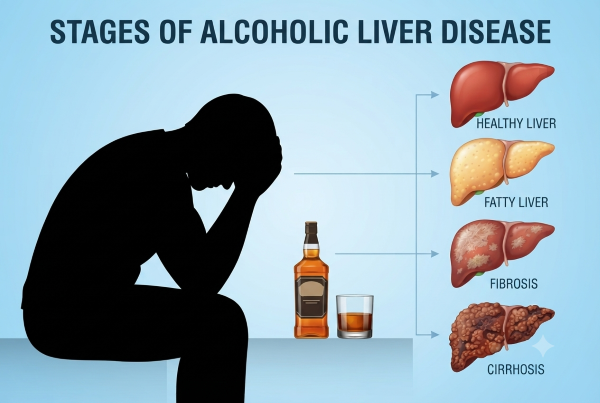
The liver damage caused by alcohol develops in three phases, namely fatty liver, alcoholic hepatitis and cirrhosis. Fatty liver can be reversible with continued abstinence in its early stages and cirrhosis is scarring that is permanent and, in most cases, incurable. Approximately 90 percent of individuals who are heavy drinkers get fatty liver but not all of them reach more serious and irreversible levels.
Alcohol-related liver disease is initially silent and this is one of the reasons that it is so easy to ignore until it has already started its course. Knowing the phases, symptoms, and what recovery really should look like can really help in early detection.
What Is Alcohol-Related Liver Disease?
Alcohol-related liver disease is liver damage as a result of consuming more alcohol than the liver is safely able to handle and usually takes years to develop when alcohol is consumed in excess but may happen faster with binge drinking.
The liver is responsible for breaking down alcohol, but when consumption regularly exceeds what it can metabolize, fat, inflammation, and eventually scar tissue begin to build up. This damage exists on a spectrum, ranging from mild and reversible to severe and permanent.
Which Liver Disease Is Caused By Alcohol?
Alcohol-related liver disease encompasses three progressive conditions, each representing a more advanced stage of liver damage than the one before it.
Stage | Condition | Reversibility |
Stage 1 | Alcoholic fatty liver disease (steatosis) | Usually reversible with abstinence |
Stage 2 | Alcoholic hepatitis | Often reversible if caught early |
Stage 3 | Alcoholic cirrhosis | Generally not reversible in advanced stages |
Not everyone who develops fatty liver progresses to the more severe stages, but continued heavy drinking significantly increases that risk over time.
Stages of Alcohol-Related Liver Disease
The stages of alcohol-related liver disease reflect a gradual progression, with each stage representing increasing damage to liver tissue and function.
- Fatty liver (steatosis): Fat builds up in liver cells, often with no noticeable symptoms
- Alcoholic hepatitis: The liver becomes inflamed, sometimes causing fatigue, nausea, or abdominal pain
- Fibrosis: Scar tissue begins to build up as inflammation continues
- Cirrhosis: Extensive scarring replaces healthy liver tissue, permanently impairing function
Research on alcohol-related liver disease shows that roughly 90 percent of people who drink heavily develop fatty liver disease, sometimes after as little as two weeks of excessive drinking, though only a portion go on to develop cirrhosis.
Fact: Between 10 and 20 percent of heavy drinkers eventually develop alcoholic cirrhosis.
Concerned about how drinking is affecting your liver or a loved one’s? Call DeLand Treatment Solutions.
What Are The First Signs Of Fatty Liver?
The first signs of fatty liver are often subtle or absent, which is part of why this stage frequently goes undiagnosed until routine bloodwork reveals it.
When symptoms do appear, they may include:
- Mild fatigue
- Discomfort or fullness in the upper right abdomen
- A general sense of feeling unwell
- Mildly enlarged liver detected during a physical exam
Because fatty liver rarely produces obvious symptoms, regular checkups and liver function testing are especially important for anyone who drinks heavily regularly.
Alcohol-Related Liver Damage Signs
Alcohol-related liver damage signs become more noticeable as the disease progresses into hepatitis and cirrhosis, often reflecting how significantly liver function has declined.
Signs of alcoholic hepatitis:
- Fatigue
- Nausea and vomiting
- Loss of appetite
- Abdominal pain or tenderness
- Low-grade fever
Signs of cirrhosis:
- Jaundice, or yellowing of the skin and eyes
- Swelling in the legs or abdomen
- Spider-like blood vessels visible on the skin
- Easy bruising or bleeding
- Confusion or difficulty concentrating
- Dark urine
Clinical descriptions of alcohol-related liver disease note that many symptoms remain nonspecific until the disease reaches advanced stages, meaning noticeable signs like jaundice or confusion often indicate significant underlying damage has already occurred.
Watching a loved one’s health decline from drinking is frightening. DeLand Treatment Solutions is here to help.
Risk Factors For Alcohol-Related Liver Disease
Certain factors increase the likelihood of developing alcohol-related liver disease beyond alcohol consumption alone.
- Amount and frequency of drinking: The primary driver of risk, with heavier and more frequent drinking increasing danger significantly
- Biological sex: Women tend to develop liver damage more quickly than men at similar drinking levels
- Obesity: Increases the risk of developing chronic liver disease
- Existing hepatitis: Having hepatitis C or another form of hepatitis significantly raises risk when combined with alcohol use
- Genetics: Family history can influence individual susceptibility to liver damage
How To Repair Liver Damage From Alcohol Naturally
How to repair liver damage from alcohol naturally starts with the single most important step: stopping alcohol consumption entirely, since no supplement or remedy can offset continued drinking.
Evidence-based steps that support liver healing include:
- Complete abstinence from alcohol: The most critical factor in liver recovery at every stage
- Balanced nutrition: Supporting the liver’s ability to repair itself through adequate protein and nutrients
- Weight management: Reducing excess fat that can further strain liver function
- Regular medical monitoring: Tracking liver function through bloodwork and imaging
- Treating underlying conditions: Managing hepatitis, diabetes, or other conditions that compound liver strain
Medical guidance on alcohol-related liver disease consistently identifies abstinence from alcohol as the most important treatment at every stage of the disease, since continued drinking accelerates damage regardless of other interventions.
Expert Advice: Complete abstinence from alcohol remains the single most effective treatment at every stage of liver disease.
Can Alcohol-Related Liver Damage Be Reversed?
Alcohol-related liver damage can often be reversed in its earlier stages, though the likelihood of recovery decreases significantly as the disease progresses.
- Fatty liver: Typically reverses within weeks to months of sustained abstinence
- Alcoholic hepatitis: Can improve or fully resolve if caught early and alcohol use stops
- Fibrosis: May partially improve with abstinence, though some scarring can remain
- Cirrhosis: Generally considered permanent in advanced stages, though stopping alcohol use can prevent further damage and improve some complications
Even in cases where damage cannot be fully reversed, quitting alcohol consistently improves outcomes and can meaningfully extend life expectancy.
Treatment for Alcohol-Related Liver Disease
Treatment for alcohol-related liver disease depends heavily on the stage of damage, though abstinence from alcohol remains central to every treatment plan.
Common treatment components include:
- Medical detox: Managing alcohol withdrawal safely, especially important given the health risks involved.
- Nutritional support: Addressing deficiencies common in people with alcohol-related liver disease.
- Medication: In some cases of alcoholic hepatitis, though these require careful medical supervision.
- Addiction treatment: Addressing the underlying alcohol use disorder through therapy and support.
- Advanced care: In severe cirrhosis cases, managing complications or evaluating candidacy for liver transplantation.
Alcohol Use Disorder Support at DeLand Treatment Solutions
Alcohol affects the body long before it’s easy to admit there’s a problem. DeLand Treatment Solutions offers evidence-based care to support recovery from alcohol use disorder, for you or someone you love.
Treatment addresses both the physical and emotional sides of alcohol dependence, helping clients build a sustainable path toward sobriety and better long-term health.
Reach out through our contact page to talk through what support could look like for you or your family.
FAQs
How much alcohol causes liver damage?
Research suggests regularly drinking more than two standard drinks per day for women or three for men increases the risk of alcohol-related liver damage. However, genetics, body size, underlying health conditions, and drinking patterns all influence how quickly liver injury develops.
Can liver damage from alcohol be detected before symptoms appear?
Yes. Alcohol-related liver damage is often detected before symptoms develop through routine blood tests, liver enzyme measurements, and imaging studies. Early identification allows lifestyle changes and treatment to slow or even reverse damage before more serious complications occur.
How long does it take to develop alcohol-related liver disease?
Alcohol-related fatty liver can develop after only a few weeks of heavy drinking, while alcoholic hepatitis and cirrhosis usually develop over years of sustained alcohol use. Individual risk varies based on genetics, overall health, and the amount and frequency of drinking.
Is alcohol-related liver disease the same as non-alcoholic fatty liver disease?
No. Although both conditions involve fat buildup and inflammation in the liver, alcohol-related liver disease results from excessive alcohol consumption, while non-alcoholic fatty liver disease develops without heavy drinking and is commonly associated with obesity, diabetes, and metabolic syndrome.
Can someone with cirrhosis still benefit from quitting alcohol?
Yes. Even after cirrhosis develops, stopping alcohol can slow disease progression, reduce complications, improve liver function where possible, and increase life expectancy. Complete abstinence also improves eligibility for advanced treatments, including liver transplantation when medically appropriate.
What blood tests detect alcohol-related liver damage?
Healthcare providers commonly order liver function tests, including AST, ALT, GGT, bilirubin, and albumin, to evaluate liver health. These tests, combined with imaging and medical history, help assess the presence, severity, and progression of alcohol-related liver disease.
Does alcohol-related liver disease cause pain?
Early alcohol-related liver disease often causes no noticeable pain or symptoms. As liver damage progresses, some people develop discomfort or tenderness in the upper right abdomen, along with fatigue, swelling, jaundice, or other signs requiring medical evaluation.
Can alcoholic hepatitis be life-threatening?
Yes. Severe alcoholic hepatitis can become life-threatening by causing jaundice, liver failure, infections, or other serious complications. Anyone experiencing symptoms such as yellowing of the skin, confusion, or severe abdominal swelling should seek immediate medical attention.
Is a liver transplant an option for alcohol-related cirrhosis?
Yes. For advanced alcohol-related cirrhosis, liver transplantation may be an option for carefully selected patients. Eligibility usually requires sustained sobriety, comprehensive medical evaluation, and meeting transplant center criteria designed to maximize long-term treatment success and recovery.
How can I support a loved one with alcohol-related liver disease?
Support a loved one by encouraging medical care, expressing concern without judgment, and supporting their efforts to stop drinking. Participating in family therapy or support groups and encouraging professional addiction treatment can strengthen long-term recovery and liver health.
References
- Cleveland Clinic – Alcohol-Associated Liver Disease
- Yale Medicine – Alcohol-Related Liver Disease
- American Liver Foundation – Alcohol-Associated Liver Disease
- Henry Ford Health – Alcohol-Related Liver Disease
- UChicago Medicine – Alcoholic Liver Disease
- National Institute on Alcohol Abuse and Alcoholism
- Substance Abuse and Mental Health Services Administration
- Medical News Today – Alcohol-Related Liver Disease
- MedlinePlus – Alcoholic Liver Disease
- DeLand Treatment Solutions
Disclaimer: This information is for educational purposes only and should not replace professional medical advice. Always consult with qualified healthcare providers regarding your specific medical conditions and treatments. For more information, visit DeLand Treatment Solutions.