When you look at a medical chart or insurance form, and a code such as F17.210 appears on the list, it is only natural to ask what the code means, as it seems like nicotine has become more difficult to quit than you thought.
Nicotine dependence is coded as F17.2, and more specific codes such as F17.210 (cigarettes) are needed based on the tobacco product being used. The use of tobacco without dependence is coded as Z72.0. These codes enable providers to record a diagnosis, plan treatment, and facilitate proper insurance billing of cessation support.
It explains that code in simple language, whether you are seeking to know more about your own diagnosis, assist a loved one in quitting, or are just interested in knowing what that code on your chart is.
This guide includes the ICD-10 codes defining nicotine dependence, the actual meaning of nicotine dependence, the difference between nicotine dependence and casual use of tobacco, and the actual treatment options that can help.
What Is Nicotine Dependence?
Nicotine dependence is a chronic condition where the body and brain have adapted to regular nicotine use, creating physical cravings and withdrawal symptoms when use stops.
Nicotine affects the brain’s reward system similarly to other addictive substances, triggering dopamine release that reinforces continued use. Over time, this creates both physical dependence and psychological habits that make quitting difficult without support.
Nicotine Dependence ICD-10 Codes
Nicotine dependence ICD-10 codes fall under category F17, with specific codes depending on the type of tobacco product used and the clinical status of the dependence.
Code | Description |
F17.200 | Nicotine dependence, unspecified |
F17.210 | Nicotine dependence, cigarettes, uncomplicated |
F17.220 | Nicotine dependence, chewing tobacco, uncomplicated |
F17.290 | Nicotine dependence, other tobacco product, uncomplicated |
Z72.0 | Tobacco use, not otherwise specified (no dependence) |
Z87.891 | Personal history of nicotine dependence |
The sixth character in F17 codes also identifies clinical status, such as whether the dependence is in remission or associated with withdrawal symptoms.
Trying to understand a nicotine dependence diagnosis, or ready to quit for good? Call DeLand Treatment Solutions Now.
ICD-10 Diagnosis Code for Nicotine Dependence
The ICD-10 diagnosis code for nicotine dependence depends on both the type of tobacco product used and whether the patient meets clinical criteria for dependence versus simple use.
Key distinctions include:
- F17.2- codes: Used when dependence is clinically documented, based on symptoms like cravings, withdrawal, or inability to cut back
- Z72.0: Used when tobacco use is present but does not meet the threshold for dependence
- Z87.891: Used for a resolved history of nicotine dependence, once someone has successfully quit
Clinical coding guidance notes that Z72.0 and an F17 nicotine dependence code should generally not be used together, since a documented dependence diagnosis takes precedence over a simple tobacco use code.
ICD-10 Code for Tobacco Use
The ICD-10 code for tobacco use without documented dependence is Z72.0, distinct from the F17 codes used specifically for nicotine dependence.
This distinction matters clinically because:
- Z72.0 reflects tobacco use alone, without meeting dependence criteria
- F17.2- codes reflect a diagnosed dependence, based on established clinical criteria
- Choosing the correct code affects treatment planning and insurance documentation
- Providers may also use screening or counseling codes, such as Z71.6, when tobacco cessation counseling is provided
Fact: Nicotine dependence became its own ICD-10 diagnostic category, replacing a single, less specific code used previously.
Signs Of Nicotine Dependence
Recognizing the signs of nicotine dependence can help clarify whether tobacco use has crossed into a diagnosable condition.
- Strong cravings for nicotine throughout the day
- Withdrawal symptoms when trying to cut back, like irritability or restlessness
- Needing nicotine soon after waking up
- Continuing use despite health problems caused or worsened by tobacco
- Repeated unsuccessful attempts to quit
- Prioritizing nicotine use over other responsibilities or activities
The National Institute on Drug Abuse explains that nicotine dependence develops through changes in brain chemistry, particularly involving the release of dopamine, which reinforces the behavior and makes quitting genuinely difficult without support.
Worried about your own nicotine use, or a loved one’s? DeLand Treatment Solutions can help.
Nicotine Withdrawal Symptoms
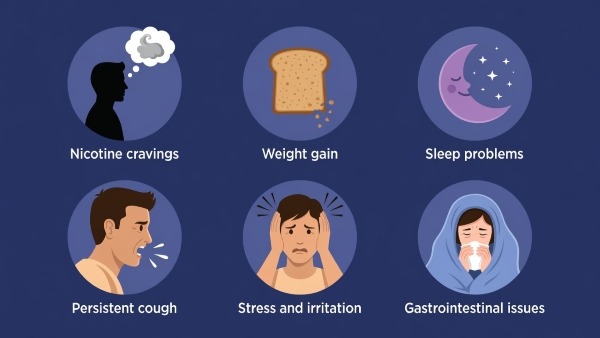
Nicotine withdrawal symptoms typically begin within hours of the last use and can make quitting feel physically and emotionally uncomfortable without support.
Common withdrawal symptoms include:
- Irritability or frustration
- Intense cravings
- Difficulty concentrating
- Increased appetite
- Anxiety or restlessness
- Trouble sleeping
Most withdrawal symptoms peak within the first few days and gradually improve over several weeks, though cravings can resurface periodically for months.
Expert Advice: Combining behavioral support with nicotine replacement therapy roughly doubles the chances of successfully quitting.
How To Treat Nicotine Dependence
How to treat nicotine dependence generally involves a combination of behavioral support, medication, and a personalized quit plan tailored to the individual’s habits and triggers.
Common treatment approaches include:
- Behavioral counseling: Identifying triggers and building healthier coping strategies
- Nicotine replacement therapy: Patches, gum, or lozenges to ease withdrawal symptoms
- Prescription medications: Options that reduce cravings and withdrawal discomfort
- Support groups: Peer accountability during the quitting process
- Relapse planning: Preparing for high-risk situations where cravings intensify
Research on tobacco cessation shows that combining medication with behavioral counseling significantly improves long-term quit rates compared to relying on either approach alone.
Nicotine Dependence Treatment Options
Nicotine dependence treatment options work best when tailored to the individual, especially when nicotine use overlaps with other substance use or mental health concerns.
- Individual therapy: Addressing the habits and emotional triggers behind tobacco use
- Group therapy: Peer support from others working through similar challenges
- Medication-assisted support: Nicotine replacement therapy or prescription options
- Dual diagnosis care: Treating nicotine dependence alongside other substance use or mental health conditions
- Ongoing relapse prevention: Long-term support, since quitting often takes multiple attempts
For standalone tobacco cessation without other substance use concerns, a primary care provider or a dedicated tobacco quitline can also be a strong first stop for nicotine replacement therapy and coaching support.
Why Accurate Nicotine Dependence Coding Matters
Accurate nicotine dependence coding supports better treatment planning, clearer provider communication, and smoother insurance coverage for cessation support.
- Insurance coverage: Many plans cover cessation counseling and medication when nicotine dependence is properly documented
- Care coordination: Clear coding helps providers stay aligned when nicotine use overlaps with other health conditions
- Treatment tracking: Consistent documentation allows providers to monitor progress over time
- Reduced confusion: Understanding your own diagnosis code can make conversations with providers easier
Nicotine Dependence Support at DeLand Treatment Solutions
Nicotine dependence rarely shows up on its own. When it’s tangled up with other substance use or mental health struggles, DeLand Treatment Solutions offers evidence-based care that treats the whole picture.
If you just need help quitting tobacco on its own, nicotine replacement therapy through your primary care provider is often the right first step. Our team steps in when nicotine use is part of something bigger, involving other substances or mental health conditions.
Reach out through our contact page or call us to speak with someone who genuinely understands.
FAQs
What is the difference between F17.2 and Z72.0?
F17.2 is used when a person meets the clinical criteria for nicotine dependence, while Z72.0 documents current tobacco use that does not qualify as dependence. The distinction helps guide diagnosis, treatment planning, insurance documentation, and medical record accuracy.
Is vaping coded the same as cigarette smoking under ICD-10?
Not exactly. ICD-10-CM uses different fifth characters within the F17 category to distinguish nicotine dependence from cigarettes, chewing tobacco, and other tobacco or nicotine products, allowing providers to document the specific source of nicotine use more accurately.
Can someone have both a history of nicotine dependence and current use?
Generally, no. The history code Z87.891 is intended for resolved nicotine dependence and should not be reported alongside an active F17.2 nicotine dependence diagnosis. Current nicotine use or dependence should be documented using the appropriate active ICD-10 code instead.
How is nicotine dependence diagnosed clinically?
Healthcare providers diagnose nicotine dependence using established clinical criteria, including cravings, withdrawal symptoms, unsuccessful attempts to quit, continued use despite harm, and loss of control over tobacco or nicotine use, following standardized diagnostic guidelines.
Does insurance cover nicotine dependence treatment?
Many insurance plans cover smoking cessation counseling, nicotine replacement therapy, and certain prescription medications when nicotine dependence is properly documented. Coverage varies by insurer and plan, so verifying benefits beforehand helps clarify available treatment options and costs.
How long does nicotine withdrawal typically last?
Physical nicotine withdrawal symptoms usually peak within the first few days after quitting and improve substantially over two to four weeks. However, psychological cravings may continue for several months and gradually become less frequent with ongoing recovery.
Can nicotine dependence be treated without medication?
Yes. Some people successfully quit through behavioral counseling, structured support, and lifestyle changes alone. However, research consistently shows that combining counseling with medications like nicotine replacement therapy significantly improves long-term quit rates compared with either approach alone.
Why do some people need multiple attempts to quit nicotine?
Nicotine dependence affects both brain chemistry and learned behaviors, making relapse relatively common. Each quit attempt helps identify triggers, strengthen coping skills, and improve future strategies, increasing the likelihood of achieving lasting tobacco or nicotine abstinence over time.
Is nicotine dependence considered as serious as other substance use disorders?
Yes. Nicotine dependence is a recognized substance use disorder associated with significant health risks and measurable brain changes. Although its effects differ from other substances, it shares many of the same biological mechanisms involved in addiction and compulsive use.
Where can families find support for a loved one struggling with nicotine dependence?
Support is available through primary care providers, tobacco quitlines, behavioral health professionals, and addiction treatment centers. These resources can help families understand nicotine dependence, encourage treatment, and address any co-occurring mental health or substance use conditions.
References
- ICD10Data.com – F17 Nicotine Dependence
- ICD10Data.com – Z72.0 Tobacco Use
- National Institute on Drug Abuse – Tobacco, Nicotine, and Vaping
- Centers for Disease Control and Prevention – Smoking and Tobacco Use
- Substance Abuse and Mental Health Services Administration
- Mayo Clinic – Nicotine Dependence
- American Lung Association – Quit Smoking
- American Cancer Society – Guide to Quitting Smoking
- MedlinePlus – Nicotine and Tobacco
- DeLand Treatment Solutions – Dual Diagnosis Treatment
Disclaimer: This information is for educational purposes only and does not constitute medical, diagnostic, or billing advice. Always consult a qualified healthcare provider or certified medical coder for diagnosis and documentation guidance. For more information, visit DeLand Treatment Solutions.