Quick Answer: Despite both being central nervous system stimulants that can cause heightened alertness, energy and heart rate, adderall and cocaine are not interchangeable. Adderall is a prescription drug for treating ADHD; cocaine is an illegal stimulant with an instantaneous and brief high, and a high likelihood of causing a response that is an overdose. DeLand Treatment Solutions can provide the individual struggling with using stimulants with the support they need.
Adderall vs. Cocaine
The main difference between studying Adderall vs. cocaine: key differences, effects, and risks is that prescription amphetamine salts are used under the direction of a medical professional in the case of Adderall, while cocaine is an illegal stimulant, meaning that it’s only a matter of time before serious problems start. Both produce addiction, heart issues, anxiety and various other harmful side effects if they are used improperly.
Key Takeaways
- Adderall is a prescription stimulant that contains amphetamine and dextroamphetamine.
- Cocaine is an illegal stimulant drug that creates a quick but short-term high.
- Both can raise heart rate, blood pressure and alertness with an increase in energy.
- The misuse of either stimulant can lead to tolerance, dependence, addiction and significant health problems.
- The effects of Adderall and cocaine may be similar, but the effects, the high, how long it lasts and the potential for harm can be quite different.
- Any use of Adderall that is other than prescribed, including nursing a friend’s prescription, is dangerous.
Stimulant misuse treatment methods encompass behavioral therapy, a medical monitoring program, recovery support and possibly treatment for co-occurring mental health issues.
What Are the Main Differences Between Adderall and Cocaine?
To learn about the differences between Adderall and cocaine, their effects and risks, it’s first important to know a little bit about how each drug is manufactured, applied and how they affect the body.
Adderall is the commercial name of the prescription drug which is a combination of amphetamine and dextroamphetamine. It is used for treating ADHD and narcolepsy, and is a central nervous system stimulant. Can enhance attention and lessen the symptoms of ADHD when used properly.
Cocaine is a powerful stimulant and generally a recreational, illegal, drug. The National Institute on Drug Abuse (NIDA) states that using cocaine can make people feel euphoric, energized, more alert and more sensitive to stimulation. Its effects can occur rapidly and can last for only minutes to a few hours, or as long as an hour depending on its usage.
Adderall vs. Cocaine: A Simple Comparison
Factor | Adderall | Cocaine |
Drug type | Prescription stimulant | Illicit stimulant |
Main purpose | ADHD and narcolepsy treatment | Recreational use |
Active substance | Amphetamine/dextroamphetamine | Cocaine |
Typical effect | Increased attention and alertness | Rapid stimulation and euphoria |
Onset | Generally slower when taken orally | Often rapid |
Duration | Generally longer-lasting | Usually shorter-lasting |
Misuse potential | Yes. | High |
Overdose risk | Yes, especially with misuse. | Yes. |
The crux of the matter is that it’s not possible to determine which is “stronger” by asking the question about Adderall vs. cocaine effects. The experience and amount of risk can vary significantly by dose, delivery method, health status, tolerance, and other factors.
Seeking help from DeLand Treatment Solutions provides essential guidance
What Does the Adderall vs Cocaine Feeling Feel Like?
The “adderall vs cocaine effect” can be mistaken because both drugs affect the brain in order to stimulate it, which can make the individual more alert, energetic, confident and talkative. But it isn’t the same in subjective sensation.
When used correctly, Adderall is prescribed to have therapeutic benefits, not get people high. Someone with ADHD can find that they are better able to concentrate, are less impulsive, and can do more to finish things.
Cocaine provides a quicker and stronger impact. According to NIDA, cocaine has the following effects: Euphoria, energy, mental alertness, restlessness, irritability, anxiety, panic and paranoia.
Taking Adderall in order to try to replicate the effects of cocaine is risky. Taking pills differently, altering doses, or crushing them can result in potentially dangerous side effects or an overdose. In particular, the FDA has warned of the misuse and potential for addiction, overdose and death of prescription stimulants.
What Causes Problems With Adderall or Cocaine Use?
Different things can cause stimulant-related problems to develop. Some individuals become abusers of Adderall due to the desire for greater energy, focus, weight loss, productivity, and/or recreational purposes. Some may start to use cocaine recreationally and progression may start to cause craving or tolerance.
Exposure to stimulants can cause rewiring of the brain, with repeated exposure reinforcing the reward system. A person’s need for the drug over time increases to the point where they feel they need the drug to feel normal, stay alert, be able to work, go to school, get social, or simply to feel good.
Risk may be elevated with anyone who:
- Uses Adderall (amphetamine) without a prescription.
- Takes more or more often than prescribed.
- Uses cocaine repeatedly.
- Uses stimulants and alcohol or other drugs together.
- Resorts to the use of stimulants to manage stress, fatigue, depression or anxiety.
- Experiences work, school, home, and/or relationship problems and continues to use anyway.
The FDA guidance is on the use of prescription stimulants, to use them as prescribed and never share them with anyone else.
Can Adderall and Cocaine Have Cross-Tolerance?
Cocaine addiction can be cross-tolerant, meaning someone who takes one stimulant might affect their response to the other when both are taken. This affects similar brain systems related to stimulation or reward, and thus tolerance to one may carry over to the other.
But the cross-tolerance is not a license for the individual to use an alternative drug after becoming tolerant to the first one or for the drugs to be interchangeable in any way. Increasing doses may be a sign of exposure or tolerance and a risk for toxicity.
This is a worrying trend, as it promotes escalation. Consuming a substance more frequently, consuming more of it or mixing multiple substances together in order to obtain the desired effect.
How Is Stimulant Misuse Diagnosed?
No one blood test can be used to tell if a person has a stimulant use disorder. The person’s substance use pattern, physical, mental and behavioral health, and consequences are usually evaluated by a qualified healthcare professional.
A clinical assessment could discuss:
The frequency of use of the substance.
The amount taken and how it was used.
Whether cravings occur.
If the person has tried to cut down unsuccessfully,
If tolerance or withdrawal symptoms are present or not.
If relationship, work, school, financial, or health issues are a result of substance use.
If there are mental health problems at home, such as anxiety, depression, ADHD, or trauma.
Just because a person is prescribed medication (Adderall in this case) does not mean he or she is a drug addict. It is a problem if the medication is taken beyond the physician’s directions or when trying to control overuse of the stimulation.
Reach out today to chat with members of our team and find out more about addiction treatment confidentially and discreetly, and start to pave the way for a healthier tomorrow. Please contact us to get help with your needs and appropriate options for treatment.
How Are Adderall and Cocaine Problems Treated?
Treatment will vary based on the substance, extent of use, and individual physical and mental health and treatment goals. No one solution fits all.
Treatment at DeLand Treatment Solutions might require a structured evaluation process with a specific program of recovery.
Behavioral Therapy
Therapy like cognitive behavioral therapy can help identify triggers, recognize bad thinking habits, manage cravings and replace them with positive coping mechanisms when it comes to stress.
Medical and Mental Health Support
A healthcare provider can check the physical symptoms and help with sleep disorder problems, anxiety, mood, blood pressure, or other health-related concerns. Mental health conditions may also need to be screened for, as symptoms can create obstacles to recovery if mental illness exists and is not treated.
Recovery Planning
A good treatment plan will involve changing your habits through personal counseling, support groups with others, relapse prevention plans, family and friends, and ongoing care beyond discharge from a treatment program.
Behavioral factors have been identified as important for stimulant SUDs such as cocaine use disorders and amphetamine-type stimulants (ATS) and are noted as important factors in SAMHSA guidance for this SUD.
Never; it’s too early to get in touch with us if you or your family members are experiencing issues with cocaine, Adderall, or another type of drug abuse. Contact DeLand Treatment Solutions to find out more about getting on the road to recovery and how to keep your treatment confidential.
What Does Scientific Research Say About Stimulant Risks?
Both cocaine and amphetamine-type stimulants have been consistently found to stimulate alertness, behavior, energy, blood pressure, and heart rate. According to
SAMHSA, stimulant use disorders may include amphetamine-type stimulants, which include cocaine as well as prescription or illicit stimulant medications.
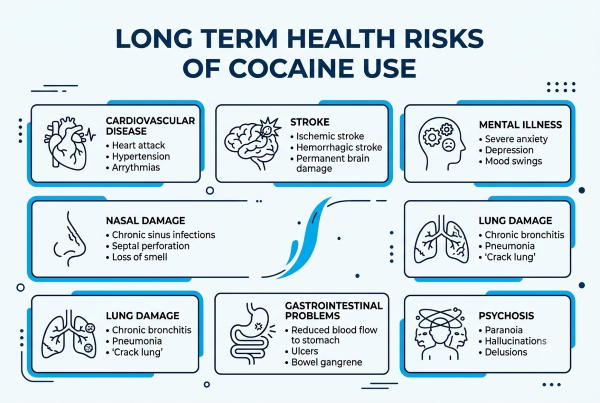
Cocaine may lead to cardiovascular problems like irregular heartbeat and a heart attack, as well as seizures and stroke, according to NIDA.
Though they may have legitimate medical applications, prescription stimulants are dangerous for misuse, abuse, addiction, overdose, and death, according to the FDA.
For trustworthy information, see the National Institute on Drug Abuse cocaine resources and FDA safety information on prescription stimulants.
What Are the Side Effects of Adderall and Cocaine?
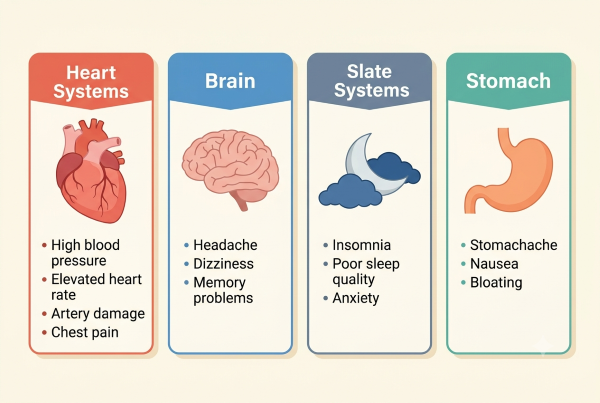
Adderall and cocaine can have similar effects, especially if either drug is abused. These side effects may include faster heartbeat, higher blood pressure, appetite loss, trouble sleeping, anxiety, irritability, restlessness, and mood changes.
In more severe cases of stimulant toxicity, vesicles, seizures, dangerous heart rhythms, strokes, or other medical emergencies may occur. Adderall misuse can also cause a person to become addicted to the drug, and when heavy users stop using Adderall, they may feel very depressed or fatigued.
Cocaine presents other hazards due to its fast-acting and illicit supply problems. Cocaine is a drug that leads to heart attack, stroke, seizures, coma, and other life-threatening complications, NIDA cautions.
Review: Although Adderall is a stimulant, just like cocaine, it is not a comparable drug. No matter how much someone believes they are taking a prescription drug, it can be abused, and cocaine carries serious dangers.
How Can Stimulant Misuse Be Prevented?
This understanding of the script, “No prescription is risk-free,” is the starting point for prevention.
If you do take Adderall:
- Use it as prescribed.
- Do not take somebody else’s prescription.
- Even if you don’t have medical guidance, don’t increase your dosages.
- Store medication securely.
- If you are using any other substance or medicine, tell your health care provider.
- Talk about any information that is troubling about cravings or medication use changes.
Cocaine prevention may involve avoiding high-risk situations, developing positive relationships, or addressing mental health or emotional issues.
The FDA advises safe storage, safe disposal, and not giving away prescription stimulants.
For those who find it difficult to control their use of stimulants, prevention is recovery planning. Seeking assistance early can help to minimize the risk of escalating outcomes.
Adderall Vs. Cocaine
Key differences, effects, and potential risks of Adderall and cocaine are discussed in the comparison of Adderall vs. cocaine. Even though there are legitimate medical uses of prescription stimulants, such as Adderall, illicit stimulants like cocaine have a rapid high and pose serious health risks. Both can be hazardous if used improperly.
Professional help is available if your use of stimulants is causing problems with your health, relationships, job, or behavior. You can recover, and seeking assistance is a good place to begin.
Get Help for Stimulant Misuse
If you’re worried about the use of Adderall, cocaine use disorder, and/or prescription stimulant addiction, then DeLand Treatment Solutions can help.
Some people who struggle with using stimulants may also require outpatient care, residential options, detox, or other specialized resources. Call to get started on the path of recovery today.
Medical Disclaimer: This article is for educational purposes only and does not replace medical advice, diagnosis, or treatment. Never change, stop, or misuse a prescription medication without speaking with a qualified healthcare professional. If stimulant use causes chest pain, seizures, severe agitation, or loss of consciousness, seek emergency medical care immediately.
Frequently Asked Questions About Adderall Vs. Cocaine
What drug is most comparable to Adderall?
Adderall is an amphetamine-based prescription stimulant. Other amphetamine medications, such as dextroamphetamine or lisdexamfetamine, are pharmacologically closer to Adderall than cocaine because they belong to related stimulant classes.
Which drug has an effect similar to that of cocaine?
Other stimulants can produce some overlapping effects, including increased alertness and energy. However, no substance should be used to recreate cocaine’s effects. The intensity, onset, duration, and risks vary significantly between drugs.
What is chemically similar to cocaine?
Cocaine is chemically distinct from amphetamine medications such as Adderall. Both are stimulants, but they have different chemical structures and pharmacological properties. Similar effects do not mean two drugs are chemically equivalent or equally safe.
What’s more powerful than Adderall?
There is no simple or medically useful ranking of stimulants as “more powerful.” Effects depend on dose, formulation, route, tolerance, and individual health. Increasing stimulant intensity can also increase the risk of dangerous cardiovascular and neurological complications.
What mimics the feeling of Adderall?
Some prescription stimulants can produce overlapping effects, but they should never be used without medical guidance. If you are seeking Adderall because of persistent fatigue or concentration problems, a healthcare professional can identify safer, appropriate options.
What drug is Adderall equivalent to?
Adderall contains a combination of amphetamine and dextroamphetamine. It is not equivalent to cocaine. Although both are stimulants, their chemical structures, medical uses, effects, duration, and risk profiles differ.
What will give me energy like Adderall?
There is no safe recreational substitute for Adderall. Persistent low energy may have many causes, including poor sleep, stress, medication effects, or an underlying health condition. A healthcare professional can help identify the cause and appropriate treatment.
Can you take Adderall and cocaine together?
Combining stimulants can increase strain on the cardiovascular and nervous systems and may raise the risk of serious complications. Do not combine cocaine with Adderall or change how you take prescribed medication without medical guidance. Seek urgent care for severe symptoms.
References
- National Institute on Drug Abuse. Cocaine Research and Drug Information. NIDA Cocaine Information
- U.S. Food and Drug Administration. FDA Updating Warnings to Improve Safe Use of Prescription Stimulants.
- MedlinePlus. Dextroamphetamine and Amphetamine Drug Information. MedlinePlus Dextroamphetamine and Amphetamine
- Substance Abuse and Mental Health Services Administration. Treatment of Stimulant Use Disorders. SAMHSA Treatment of Stimulant Use Disorders
Content Source Note: The requested South Jersey Recovery article was considered as a topical reference, while medical and safety claims above were cross-checked against authoritative sources including NIDA, FDA, MedlinePlus, and SAMHSA.