It’s possible to accidentally overdose on a drug within a shorter time frame than most would think. It can happen to anyone who is addicted to a substance, a person who is abusing prescription medicine and even someone who is using a drug for the first time. Oftentimes, the family members are startled and confused and do not know what to do next. Knowing the signs, what to do and how to help after an emergency can save lives and can help a person turn towards recovery.
Addiction and overdose can’t be detached, analyzed and viewed remotely, nor is it a simple issue of “between the person and the pill,” but yes, it is an intensely personal journey affecting individuals and families at DeLand Treatment Solutions. Empathy, early intervention and professional treatment have a profound impact following an overdose emergency.
Understanding Accidental Drug Overdose
An overdose is accidental when a person takes a drug or a mix of drugs or substances by accident in an amount or concentration that is harmful to the body.
A medical emergency that overcomes vital systems raises very dangerous blood pressure and Heart rate and can cause brain damage or death in a few minutes if not treated properly.
Key Takeaways
- A drug overdose is an accidental overdose of prescription drugs, illegal drugs, alcohol or a combination of drugs.
- Respiratory depression, coma, confusion, cyanosis (blue lips) or convulsions may occur; these are all symptoms that are reduced.
- Call the appropriate authorities to save lives.
- Medicines, such as naloxone, can reverse opioid overdoses for a short while.
- It is important to receive post-overdose care, as it will play an essential role in reducing the rate of further overdoses.
- Families should develop a positive rather than negative sense of support, blame and/or shame.
What is an Accidental Drug Overdose?
An accidental drug overdose occurs when the body can no longer metabolize a quantity of the drug or substance that is consumed. It could be opioid drugs, alcohol, stimulants, prescription medication or a combination of several drugs at the same time. In a lot of cases, the person has no intention of injuring themselves.
Overdoses can occur for various reasons:
- Admixing drugs such as alcohol and opiates
- Taking more than the prescribed doses
- After a period of not using drugs, there is a risk of resuming drug use.
- Taking fake pills that contain fentanyl
- Misunderstanding dosage instructions
- The development of tolerance.
Overdose is often believed to be a problem that only severely addicted people have. In fact, it can happen to anybody, from teens to adults who constantly take pain medication or party.
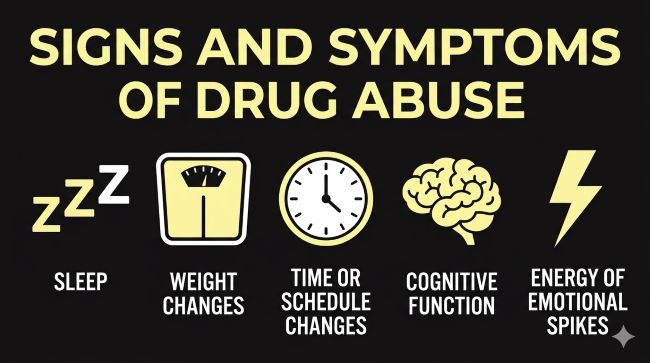
Common Signs of an Overdose
It is important to identify signs of an accidental drug overdose early on. They will react differently to different drugs, but there are some common warning signs for many overdoses.
Physical Symptoms
- Apnea (slow or stopped breathing)
- Blue or gray lips and fingernails
- Pinpoint pupils
- Vomiting
- Cold or clammy skin
- Loss of consciousness
- Weak pulse
Behavioral Symptoms
- Confusion
- Extreme drowsiness
- Inability to respond
- Abrupt, aggressive or panicky behaviours
- Disorientation
Severe Emergency Symptoms
- Seizures
- Choking sounds
- Gurgling or snoring noises
- Complete unresponsiveness
If they don’t respond or are having difficulty breathing, take it as a medical emergency right away.
Why Overdoses are Increasing
The rise in the number of overdose incidents has been surrounded by a host of large factors. An increasing problem is that drug traffickers are starting to mix street drugs and counterfeit medications with synthetic opioids such as fentanyl. Many times people take drugs believing that they are as powerless as they are.
One of the high-risk factors is reloading after all of the symptoms are gone. After a period of time in which the individual is no longer under the influence of the substance(s), the tolerance level has decreased. When someone reverts to using the same dosage that was utilized originally, accidental drug overdoses are severely increased.
Mental disorders are other contributing factors. Substance misuse and risky behaviors may be a result of anxiety, depression, trauma and chronic stress.
What To Do During an Overdose Emergency
If you take overdose-prepared steps if a person overdoses, it could save a life!
Call Emergency Services Immediately
If a person is showing signs of overdose, call 911 right away! Do not wait and watch.
Administer Naloxone if Available
Naloxone can reverse an overdose of opioids for the time being, anyway. This can be bought over the counter from a number of pharmacies.
Keep the Person Awake and Breathing
If at all possible, make sure they’re responsive. If unconscious: Place in recovery position on their side.
Do Not Leave Them Alone
An overdose can quickly progress. Do not leave the person until help can be found.
Share Honest Information
Report to health-care providers any substance that might have been used. If proper information is provided to First Aid, they can help in providing good therapy.
The Emotional Impact on Families
This can cause an accidental drug overdose to impact not only the drug user but others as well. Often there is a feeling of confusion, anger, guilt, fear and emotional distress within family members following the incident.
Some families think that they are to blame or think that they missed signs. Some are bogged down coping with the crisis solely. The emotions are very real and can be a response to you feeling this way but it is a natural response and support is there.
Addiction is NOT a choice but a medical/psychological condition. Relationship building or skill-based counseling may be helpful in “rebuilding” trust and stability of the family after the overdose.
Supporting Someone After an Overdose
Post-Overdose Aftermath can be an Inflection Point in the Road to Recovery. But this is only the beginning, since immediate medical stabilization is indicated.
Encourage Professional Treatment
Treatment can consist of:
- Medical detox
- Residential treatment
- Outpatient counseling
- Medication-assisted treatment
- Trauma therapy
- Mental health support
Don’t allow Shame and Judgment to get a grip on you.
Avoid Shame and Judgment
So, at least overdose survivors have these sentiments: guilt and fear. Be supportive rather than critical and punishing.
“You ruined everything.”
Try:
“Well, I don’t want to put him/her at risk and I want to take care of him/her.”
Focus on Long-Term Recovery
Not all recoveries are linear. Continued counseling and support groups and relapse prevention strategies can enhance the results over the long haul.
When Mental Health and Addiction Overlap
Behavioral health disorders go hand-in-hand with many who have had an accidental drug overdose. Substance misuse can be caused by depression, PTSD, anxiety disorders and unresolved trauma.
Combined treatment of addiction and mental health is sometimes more effective in yielding good recovery prospects. Therapy can help uncover the indicators of emotional reactions, create coping abilities, and establish a healthy approach toward tension handling.
A treatment plan at DeLand Treatment Solutions is tailored for the entire individual and not just on the symptoms of substance use.
Get Help Before Another Drug Overdose Happens
An overdose can be a life-changing warning sign. With the appropriate treatment and supports at the right time, appropriate stability, mental health and safe recovery can be achieved.
Make the call to DeLand Treatment Solutions today if you or someone you loved is suffering from substance use. Our caring professionals offer treatment for addiction and mental health and can create care plans tailored to each patient’s needs in our safe, professional setting.
Call now to talk confidentially with an admissions specialist and discuss treatment options available to you.
Preventing Future Overdoses
Without awareness and ongoing assistance, it would be easy to let another unintentional drug overdose occur.
- To prevent this from happening, some precautions are suggested:
- Never use drugs/alcohol.
- Take prescription drugs following the doctor’s instructions.
- Keep naloxone accessible
- Attend therapy consistently
- Building a good support system.
- Get prompt treatment following relapses.
- Be familiar with overdoses.
- Every day, learning and early education help to save lives.
Final Thoughts
Accidental overdosing of drugs is a serious situation and may be an opportunity for healing and recovery. With education and understanding of the signs, and if the proper protocols and steps are taken, it is possible to aid in saving a life that might be saved in time.
Addiction and drug overdose should not be borne by any individual. Families and individuals have the opportunity for support, therapy and evidence-based treatment to move forward in hope and stability.
To explore options for supervised support, contact DeLand Treatment Solutions
FAQs
What is an accidental drug overdose?
An accidental drug overdose occurs when someone takes enough of a substance to cause dangerous physical reactions without intending self-harm. It may involve prescription drugs, alcohol, opioids, stimulants, or mixed substances requiring emergency medical care.
What to do when you accidentally overdose?
Call emergency services immediately, stay with the person, and administer naloxone if opioids may be involved. Keep the person breathing and place them on their side if unconscious until medical professionals arrive.
Is it painful to accidentally overdose?
Experiences vary depending on the substance involved. Some people become confused, extremely drowsy, or unconscious quickly, while others may experience chest pain, panic, breathing difficulty, seizures, or severe physical distress before losing awareness.
What happens after an accidental overdose?
After stabilization, doctors may monitor breathing, heart function, and neurological health. Many individuals are encouraged to seek addiction treatment, therapy, and mental health support to reduce the risk of future overdose incidents.
How do they know if an overdose is accidental?
Medical professionals review toxicology reports, witness statements, prescription history, and surrounding circumstances. Investigators typically determine whether the overdose involved intentional self-harm, misuse, prescription error, or accidental substance exposure.
What qualifies as accidental death?
Accidental death refers to an unintentional fatal event caused by injury, poisoning, overdose, or unsafe circumstances. In overdose cases, medical examiners evaluate evidence to determine whether the death was unintended rather than intentional.
Disclaimer
This article is for informational and educational purposes only and should not replace professional medical advice, diagnosis, or treatment. If you suspect an overdose or medical emergency, call 911 or seek immediate emergency medical assistance.
References
- GoodRx – Accidental Drug Overdose Information
- National Institute on Drug Abuse (NIDA)
- Substance Abuse and Mental Health Services Administration (SAMHSA)