Alcohol detox is frequently minimized by patients as “just getting through the flu,” but from a clinical perspective, this minimization is dangerous. Alcohol Withdrawal Syndrome (AWS) is a complex physiological event that, if mismanaged, can dictate your neurological and cardiovascular health for years to come.
Unmanaged alcohol detox—defined as withdrawal attempted without medical screening, hemodynamic monitoring, or pharmaceutical stabilization—is not just uncomfortable; it is life-threatening. Even when a person “survives” a home detox in DeLand, the body often suffers lasting insults from extreme dehydration, electrolyte dysregulation, and hypertensive crises.
Clinical Warning: Alcohol is one of the few substances where withdrawal can directly cause death due to cardiovascular collapse or status epilepticus. It is a medical condition, not a test of willpower.
At DeLand Treatment Solutions, located in DeLand, Florida, we believe safety is the foundation of recovery. While we provide world-class Partial Hospitalization (PHP) and Intensive Outpatient (IOP) care, we first coordinate your immediate placement into a fully staffed medical detox facility. This ensures you stabilize safely before beginning the therapeutic work of recovery.

The Neurobiology of Danger: Why “Cold Turkey” Fails
Unmanaged alcohol detox is dangerous because of the brain’s profound chemical adaptation to ethanol. Chronic alcohol use fundamentally alters brain chemistry.
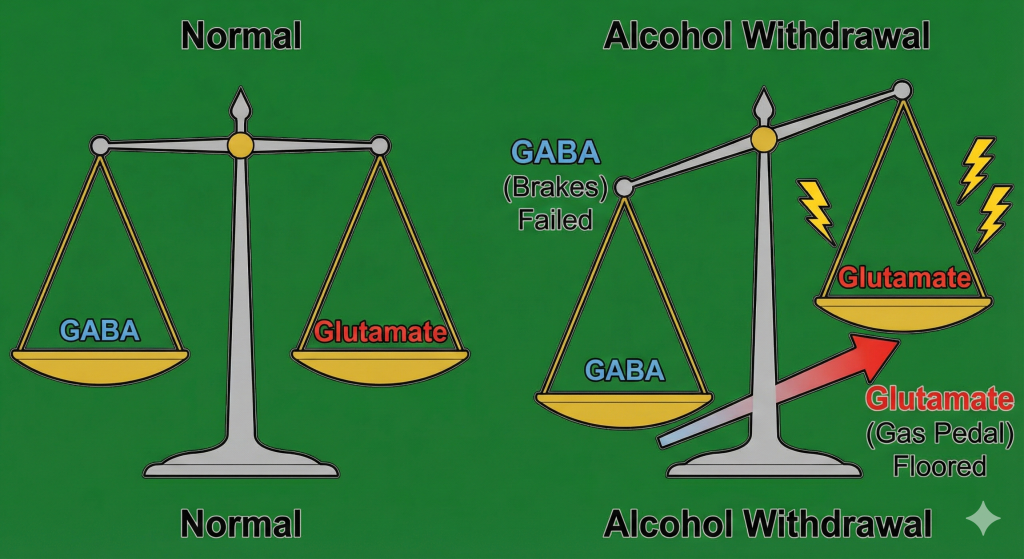
As detailed in research published by the National Institutes of Health (NIH), chronic alcohol exposure causes the brain to downregulate GABA-A receptors (the brain’s “brakes”) and upregulate NMDA receptors (the “gas pedal”) to compensate for alcohol’s sedative effects. When alcohol is abruptly removed, the brakes fail, and the accelerator floors it, leading to a state of hyperexcitability.
You can read more about the pathophysiology of Alcohol Withdrawal Syndrome here.
This chemical storm results in:
- Autonomic Hyperactivity: Tachycardia (rapid heart rate), hypertension, and tremors.
- Neurotoxicity: The excess glutamate release can kill brain cells (excitotoxicity), leading to long-term cognitive deficits.
- The Kindling Effect: Repeated attempts to detox without medical support can cause subsequent withdrawals to become progressively more severe, increasing the risk of seizures.
Immediate Action Required?
If you or a loved one are experiencing tremors, confusion, or a racing heart after stopping drinking, do not wait.
Click Here to Speak with a DeLand Admission Specialist Now
The Most Serious Risk: Delirium Tremens (DTs)
The most severe and feared complication of unmanaged withdrawal is Delirium Tremens (DTs).
According to MedlinePlus, DTs is a rapid onset of severe confusion and autonomic instability that typically begins 48 to 96 hours after the last drink. It is a medical emergency.
Key Symptoms of Delirium Tremens include:
- Global confusion and disorientation.
- Vivid visual, tactile, or auditory hallucinations.
- Severe agitation and deep sleep lasting for a day or longer.
- Fever, sweating, and dangerous spikes in blood pressure.
Without professional treatment, which often includes benzodiazepines to calm the central nervous system, DTs can lead to fatal complications such as cardiovascular collapse or injury from seizures.
Learn more about the symptoms and risks of Delirium Tremens.
100% Confidential Support is Available 24/7
No matter what you’re going through, you’re not alone. Our dedicated team is here to provide a safe, judgment-free space where you can talk openly and honestly. Whether you need emotional support, resources, or just someone to listen.
We’re here for you—completely confidential and always respectful of your privacy. Call us today!
Vital Organ Impact: The “Big Three”
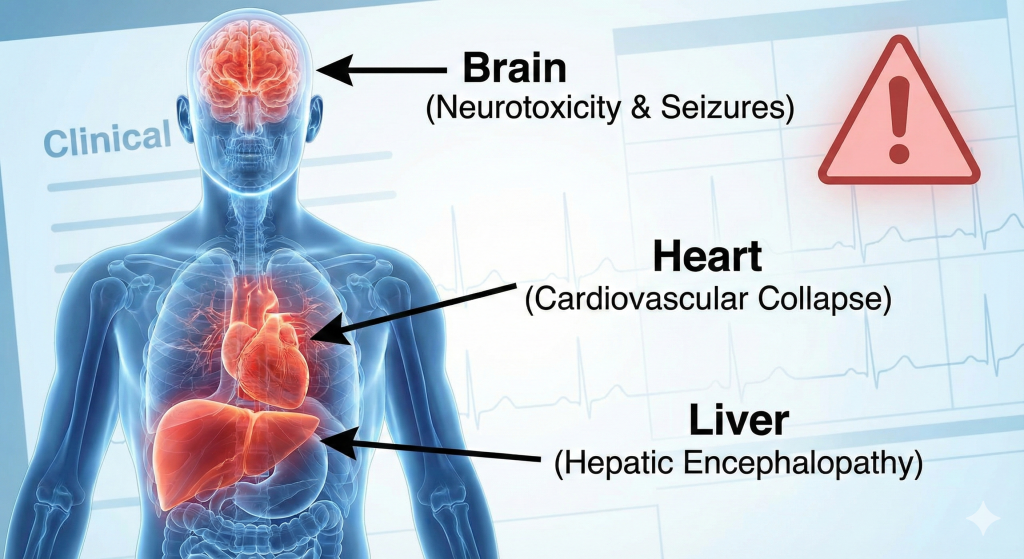
When we assess patients in DeLand, we often see damage in three specific systems. The three organs affected most by alcoholism are the liver, the heart, and the brain.
1. The Liver
The liver bears the brunt of ethanol toxicity.
- Signs of Liver Damage: Jaundice (yellowing of skin/eyes), abdominal swelling (ascites), chronic fatigue, and easy bruising.
- Detox Risk: Attempting detox with a compromised liver can lead to hepatic encephalopathy, where toxins build up in the brain causing confusion and coma.
2. The Heart
Unmanaged detox places the heart under a “catecholamine storm” (adrenaline surge).
- Detox Risk: This can trigger atrial fibrillation (an irregular heartbeat) or a heart attack, especially in those with undetected heart disease.
3. The Brain
Can alcohol permanently damage your brain? Yes.
Beyond the immediate risk of seizures, unmanaged withdrawal contributes to “excitotoxicity.” Furthermore, Thiamine (Vitamin B1) deficiency is common. Without IV replacement during detox, this can lead to Wernicke-Korsakoff Syndrome, a permanent condition causing memory loss and inability to form new memories.
Deland Treatment Solutions
Battling with Drug and Alcohol Addition? Remember, you are not alone and we are here to help you!
Dual Diagnosis: The Mental Health Impact
Unmanaged detox often worsens co-occurring disorders. We call this Dual Diagnosis.
When a person detoxes at home, they often experience a severe rebound of anxiety and depression. This is frequently accompanied by Post-Acute Withdrawal Syndrome (PAWS), where symptoms like irritability, brain fog, and sleep disturbances persist for months. Without clinical support, patients often misinterpret these symptoms as their “new normal,” leading to rapid relapse.
DeLand Treatment Solutions addresses this by integrating:
- Cognitive Behavioral Therapy (CBT) to manage triggers.
- Medication-Assisted Treatment (MAT) protocols to reduce cravings.
- Holistic Therapies to downregulate the nervous system.
The Timeline of Healing
Patients frequently ask: “How long does it take for brain chemistry to return to normal after alcohol?”
While acute detox lasts 5–7 days, full neurological stabilization takes much longer.
- 24–48 Hours: Peak risk for seizures.
- 48–96 Hours: Peak risk for Delirium Tremens.
- 10 Days Without Alcohol: By day 10, the acute toxins are eliminated, and physical symptoms like shaking typically subside. However, psychological symptoms may persist.
- 6–12 Months: Dopamine and serotonin receptors slowly regenerate. This is why long-term engagement in a program like our Alcohol Addiction Treatment is crucial—it supports you while your brain heals.
Start Your Healing Journey Today
Frequently Asked Questions (Local & Clinical)
What are the risks most likely associated with alcohol detox if not done under medical supervision?
The primary risks are generalized tonic-clonic seizures and Delirium Tremens. Without medical prophylaxis (preventative medication), a seizure can lead to aspiration (choking), head trauma from falls, or status epilepticus. Additionally, severe dehydration from vomiting can lead to kidney failure.
What is the best thing to replace alcohol with?
In early recovery, we don’t just “replace” the fluid; we replace the coping mechanism.
- Hydration: Water with electrolytes is critical to repair cellular dehydration.
- Holistic Practices: Yoga or meditation to manage the anxiety alcohol used to mask.
- Community: Connection with peers in recovery replaces the isolation of addiction.
How long does alcohol flush stay?
“Alcohol flush”—a red flushing of the face—is a genetic reaction to acetaldehyde buildup and typically lasts as long as alcohol is being metabolized (several hours). However, persistent redness or “spider veins” on the face (Caput Medusae) can be a sign of advanced liver cirrhosis.
What is the 1/2/3 rule for drinking?
While various “rules” exist to moderate intake (e.g., no more than 1 drink per hour, 2 per day, never 3 days in a row), for those with Alcohol Use Disorder (AUD), moderation rules rarely work. The safest path is typically complete abstinence supported by a clinical framework.
Why Choose DeLand Treatment Solutions?
We are not just a facility; we are your neighbors in Volusia County. We understand the specific challenges of our community.
Our Process:
- Free Clinical Assessment: We determine your medical risk level.
- Safe Detox Placement: We coordinate your admission to a vetted, luxury medical detox partner nearby.
- Seamless Transfer: You move directly to our DeLand center for therapy (PHP or IOP), ensuring no gap in care.
Don’t wait for the “perfect time.” The safest time is now.
Immediate Help for DeLand Families
Call our 24/7 confidential helpline. We can help you navigate insurance, FMLA for work, and safe detox placement today. Call (386) 866-8689 – Start Recovery