Key takeaways
- ADHD and anxiety frequently occur together, especially in teens and adults
- ADHD symptoms can trigger anxiety, even if they do not directly cause it
- Anxiety can worsen focus, impulsivity, and emotional regulation
- Treating both conditions together leads to better long-term outcomes
- A personalized treatment plan makes a meaningful difference
Does ADHD Cause Anxiety? This is a question that has lingered in the minds of many following relative to witnessing a continuous concern, mentally stimulated mind or, alternative, physical tension and lack of concentration. ADHD and anxiety tend to cooccur and even though one may not be the source of the other, the phenomenon between the two is not uncomplicated, recorded, and solid. The insight into how ADHD coincides with anxiety will help people to find the necessary support and prevent the sense of loneliness in the condition.
What is Anxiety
Stress is naturally responded to by the body, and it is manifested through the sensation of fear, dread, and tension; these are accompanied with the physical expressions of the response, including the rapid beating of the heart. Although this is healthy when undertaken sparingly to boost concentration, it manifests itself as an anxiety disorder when it becomes chronic, it consumes and it disturbs normal lives.
What is ADHD
Attention-deficit/hyperactivity disorder (ADHD) is a chronic neurodevelopmental illness that culminates into an enduring tendency of attention lapse, hyperactivity, and/or impulsivity that interferes with the day-to-day operations as well as development. It is also very normally diagnosed in childhood and will further carry the condition up to adulthood. It affects executive control functions of the brain, thus difficult to organize, direct and perform emotions.
Could ADHD and Anxiety be Linked?
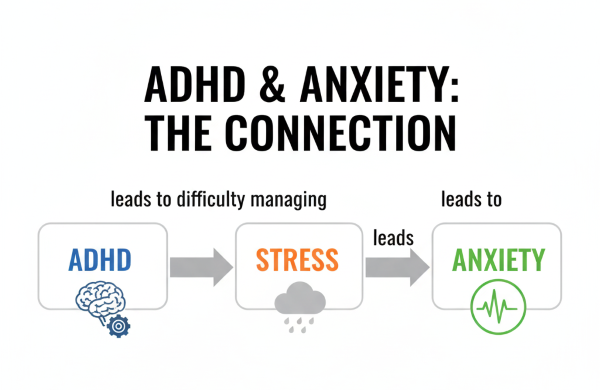
So, does ADHD cause anxiety? Indirectly though, ADHD can have an environment which may be a breeding ground of anxiety. Slow achievements of deadlines, their tendency at constant disorganization and misunderstandings among themselves, and constant negative feedback may slowly build stress up and create doubt in them.
Such stress in the long run may degenerate into chronic anxiety. The brain is able to remain in the anticipation mode and it is ever trying to make sure that it does not make any mistake or be criticized. This is why the symptoms of ADHD have the propensity to develop anxiety but not directly.
Find relief from anxiety today with compassionate, personalized care at DeLand Treatment Solutions today
Co-Occurrence of Anxiety and ADHD
The literature states that ADHD has a high overlap rate with anxiety disorders. The majority of the individuals are diagnosed a few years before the other such that they receive a partial or irrelevant cure.
When anxiety falls with them in case of ADHD, it conceals their symptoms. As restlessness could be, so could anxiety. Unceasing anxiety can show its symptoms of ADHD. To become hard to cure, a person can be left untreated, as no proper assessment is conducted.
Anxiety Disorder Categories
It is not a single case of anxiety. Common categories include:
- Generalized Anxiety Disorder (GAD).
- Social Anxiety Disorder
- Panic Disorder
- Specific Phobias
- Separation Anxiety
The various types respond differently to ADHD. In the present case, e.g., social anxiety may increase rejection sensitivity, and panic disorder may increase physical restlessness previously existing in ADHD.
ADHD Symptoms
ADHD may lead to such typical manifestations as:
- Poor concentration ability.
- Irresponsibility, hyperactivity.
- Neural inconsistency, impaired memory.
- Sabotages the power to proceed.
- Emotional reactivity
Even when not controlled, these symptoms may enhance the habit of jittery thinking and evasive behavior, and in the procedure, they steal to recurrent occurrences.
Anxiety Symptoms
Such anxiety symptoms as:
- Continuous worrying or cogitating.
- Muscle or frequenters of headaches.
- The rapid shallow breathing is uncontrolled.
- Trouble sleeping
- Fear of making mistakes
The symptoms of anxiety among the ADHD individuals can be high whether it is deadline or the socialization or in situations that require continuous attention.
Take control of your anxiety with expert support and proven therapies at DeLand Treatment Solutions.
ADHD and Anxiety Medication
The medication can come in handy, but is to be selected. Some drugs cause more anxiety than others in some patients with ADHD as other patients respond better to the drugs by enhancing the emotional control and attention skills.
Similarly, the medications used in the therapy of anxiety may overrelax excess worry and cannot rectify the ADHD symptoms. That is why in case the two conditions are combined, their coordinated care is to be given and close observation is required.
How to Treat ADHD and Anxiety
The most appropriate option will be to pre-treat the two. Treatment often includes:
- Therapy based on coping skills and different therapies based on emotional control.
- Drug administration quiet period.
- Reducing the level of stress.
- Multiple lifestyle changes concerning sleeping habits and everyday building.
Learning the interplay of ADHD with anxiety will also enable the affected individuals to have the tool of loop-breaking rather than turning in on themselves.
Why Untreated ADHD Can Increase Anxiety Over Time
Returning to the central issue, which is whether ADHD causes or does not cause anxiety, it is clear that uncontrolled ADHD can cause anxiety in the long-term. This may lead to discourse used in constant worry and mental exhaustion as the brain develops over time to expect failure, blame or conflict with the result of numerous struggles.
This risk can be dramatically impacted by the diagnosis and intensive care and can lead to the improvement of people in the future.

Get Professional Support
When anxiety and ADHD are getting the best of you day in, day out, then you do not necessarily need to cope with it alone. At DeLand Treatment Solutions, it is an integrated care that is non-sympathetic, rather holistic.
Call DeLand Treatment Solutions today and speak with a mental health professional and find out what form of custom treatment can help them to focus, calm and be in long-term stability.
DeLand Treatment Solutions is herewith on your side to help you know the connection and to go about confidently and positively.
Disclaimer
This content is for informational purposes only and is not intended to diagnose, treat, or replace professional medical or mental health care. Always consult a qualified healthcare provider for personalized evaluation and treatment.
Frequently Asked Questions
What does ADHD anxiety feel like?
ADHD-related anxiety often feels like constant mental pressure. Thoughts race about unfinished tasks, missed details, or upcoming responsibilities. The body may feel tense or restless, and there is often fear of falling behind, disappointing others, or losing control.
What is the 24 hour rule for ADHD?
The 24-hour rule encourages waiting a full day before reacting to emotionally charged situations. For people with ADHD, this pause helps reduce impulsive responses, regulate emotions, and prevent anxiety-driven decisions that may not reflect long-term goals.
How do you reduce anxiety with ADHD?
Reducing anxiety with ADHD usually involves structure, skill-building, and support. Therapy, medication when appropriate, consistent routines, and realistic expectations help calm the nervous system while improving focus and reducing overwhelm in daily life.
Do ADHD and anxiety go together?
Yes, ADHD and anxiety frequently occur together. Many people experience both conditions simultaneously, with symptoms influencing each other. Treating only one often leaves lingering struggles, which is why a combined treatment approach is recommended.
What is the 20 minute rule for ADHD?
The 20-minute rule involves working on a task for just twenty minutes before reassessing. This reduces overwhelm, lowers anxiety, and makes starting easier. Short, focused work periods are often more effective for ADHD brains than long sessions.
Can untreated ADHD lead to anxiety?
Yes. When ADHD goes untreated, repeated challenges with organization, focus, and follow-through can create ongoing stress. Over time, this stress can develop into chronic anxiety, especially when self-blame and fear of failure become ingrained.