Tramadol side effects in men may span from minimal complaints of dizziness, nausea, constipation, drowsiness, to serious health issues of breathing problems, seizures, hormone changes, sexual dysfunction, dependence and addiction. Tramadol can be a useful prescription drug for some, but prolonged use or abuse can have potential health risks. If a man is having an effect last longer, is having withdrawal symptoms or is finding it difficult to quit taking tramadol, they must seek medical advice. The way to recovery can be found in professional opioid addiction treatment if this has become an issue.
Tramadol effects on men can be more than just for pain. This prescription opioid may be prescribed to alleviate moderate to moderately severe pain, but it can affect energy, mood, sexual health, hormone balance, and general well-being. Knowing the potential risks can allow a man to take the best advantage of his treatment and realise when he is in need of medical help. If you have to use tramadol for any recent injury or chronic pain, it is important to know what to wait for as it plays a part in your safety.
Tramadol is among the opioids that are prescribed to millions of Americans annually. While it is safe to use under medical supervision, none of the opioids are without risk. Each person gets different side effects, depending on the dose, their medical condition, age, and/or length of time the medicine is taken.
This guide outlines tramadol side effects in male users and when they should seek professional addiction help, as well as when tramadol withdrawal can begin.
Key Takeaways
- Opioids typically work by affecting the brain to curb pain messages.
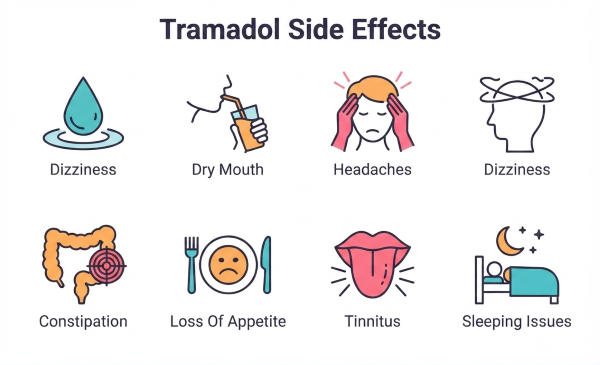
- Common tramadol side effects in men are nausea, dizziness, dry mouth, drowsiness, headache, constipation and sweating.
- Long term use can be associated with hormone changes, reduced levels of testosterone, low libido, erectile dysfunction and dependency.
- Severe adverse effects include slowed breathing, suicidal and manic actions, serotonin syndrome, allergic response, and overdose.
- Discontinuing use of tramadol abruptly can lead to withdrawal symptoms, particularly when someone has used the drug for a long period of time.
- When tramadol use has become physically addictive, the safest course of action is medical supervision in order to ensure the pain medication is finally stopped successfully.
- There is evidence-based treatment and recovery support available, for men suffering from opioid misuse or addiction.
What Is Tramadol?
Tramadol is a prescription drug that treats moderate to moderately severe pain. It is a member of the opioid family, but unlike many opioids, it acts on two other chemicals in the brain, serotonin and noradrenaline, which are responsible for regulating pain.
Tramadol may be prescribed following surgery, an injury or chronic pain when something other than that has failed to bring adequate pain relief.
Tramadol comes in various forms, such as:
- Immediate-release tablets
- Extended-release tablets
- Capsules
The 50mg dose of tramadol is very much a common dosage and questions such as “tramadol 50mg side effects” and “what are side effects of tramadol 50mg?” are widespread.
While tramadol can have a significant impact on improving an individual’s quality of life when living with pain, it must always be used as directed; using it in any other way poses a risk of dependence and serious side effects.
How Does Tramadol Affect Men Differently?
Many of the same medication side effects are experienced by men and women. But there are potential side effects of tramadol in individuals that can directly impact male hormonal and reproductive health.
Long-term use of opioids has been linked to:
- Lower testosterone levels
- Reduced sex drive
- Erectile dysfunction
- Fatigue
- Decreased muscle strength
- Mood changes
- In some instances: Reduced fertility
While not all men will experience these problems, they are more likely to happen the longer a man takes opioids and/or the higher the dosage.
Even slight fluctuations in hormone levels will have major impacts on life; as testosterone is associated with energy, mood, muscle mass, and sexual health, it can make a huge difference in life.
Common Tramadol Side Effects in Men
Most tramadol side effects in men are minor and will pass once your body gets used to the drug. But they can still be disruptive to work, driving, exercising and other activities.
Side effects of the supplement include:
Nausea and Vomiting
One of the most common opioid side effects is becoming nauseated. If your healthcare provider approves, taking tramadol with food will help decrease the feelings of nausea.
Dizziness
Dizziness occurs in many men, soon after the use of tramadol. This can be worsened and increase the risk of injury or falls if getting up quickly.
Don’t drive or run heavy machinery until you are familiar with the effects of tramadol.
Drowsiness
An additional common symptom is sleepiness, particularly when beginning treatment and also when increasing the complete amount of dosage.
When Tramadol is used in combination with alcohol, sleep medications, or sedatives, there is an increased risk for potentially troubling drowsiness and reduced respiration.
Constipation
In many cases, people taking opioids suffer from constipation.
Helpful strategies include:
- Getting plenty of water
- Eating high-fiber foods
- Staying physically active
- Using stool softeners and/or laxatives as directed by your health care provider if necessary
Headache
There are indications that some men get light headaches whilst taking tramadol. They frequently get better as the body adjusts, though if any headaches remain it is advisable to discuss this with a health care professional.
Dry Mouth
Dry mouth, bad breath and an increased risk of dental disease is associated by reduced saliva production.
Managing dry mouth is simple by implementing the following:
- Drinking water regularly
- Chewing sugar-free gum
- Using alcohol-free mouthwash
- Regularly practicing good oral hygiene habits
Sweating
Also, more sweating is reported as another side effect.
While sweating generally has no harmful effects, it is sometimes uncomfortable to sweat too heavily during exercise or in heat.
Reach out to take the first step towards recovery today.
You aren’t in this alone when you or someone you love is experiencing tramadol side effects in men, tramadol dependence and/or opioid misuse.
Call DeLand Treatment Solutions today for a confidential assessment. Early treatment will start the process of healing.
Tramadol 50mg Side Effects
Among the most common and vital enquiries patients have concerns about includes tramadol 50mg side effects.
Some people may experience, even with a regular dose of 50 mg.
- Dizziness
- Drowsiness
- Nausea
- Vomiting
- Constipation
- Dry mouth
- Headache
- Fatigue
- Sweating
Tramadol 50mg side effects are very much the same as those found with higher doses, but can be less severe for some. Everyone will react differently depending on their body weight, metabolism, other medications used, age and medical conditions.
Multiple doses of doses higher than prescribed do not provide safe additional pain relief. Rather it makes it more likely to cause serious problems such as overdose and addiction.
Less Common but Serious Tramadol Side Effects in Men
Adverse reactions of tramadol are rare but there are certain tramadol side effects in men which need immediate medical attention.
Breathing Problems
Tramadol, like other opioids, slows down breathing. This risk is greater in:
- Higher doses
- The concurrent use of tramadol and other substances, especially alcohol.
- Combination tramadol with benzodiazepines
- Taking other sedating drugs.
A medical emergency exists when breathing takes place too slowly or becomes difficult.
Seizures
Tramadol may help to make seizures more likely, especially for these individuals:
- Have epilepsy
- Be diagnosed with epilepsy or convulsions themselves
- Take certain antidepressants
- Use higher-than-prescribed doses
Don’t delay emergency medical assistance if a person has a seizure.
Serotonin Syndrome
As tramadol interacts with serotonin, taking tramadol with some antidepressant or migraine drugs can raise the likelihood of serotonin syndrome.
Symptoms may include:
- Agitation
- Fever
- Rapid heartbeat
- Muscle stiffness
- Tremors
- Heavy sweating
- Confusion
In very rare instances, a syndrome consisting of elevated serotonin levels (serotonin syndrome) can occur, and this is an emergency condition that must be treated right away.
Hormonal Changes
Some men may have a reduction in the production of testosterone because of long-term Opioid use.
Possible symptoms include:
- Low libido
- Erectile dysfunction
- Low energy
- Depression
- Difficulty concentrating
- Reduced muscle mass
If these symptoms occur while using tramadol, be sure to talk to your healthcare provider before discontinuation and not do so on your own.
Increased Risk of Dependence
The most crucial tramadol side effect in men is not always actually physical, but may indeed be the slow-building addiction.
The body can build tolerance to tramadol over time; eventually you need the drug to feel normal. This is called physical dependence, and may happen even when the tramadol is used as prescribed.
Addiction means dependence, but the reverse does not necessarily apply, and withdrawal from his medication could be a problem if he suddenly stops using it, so it might need a tapered approach that is medically supervised.
When Are Tramadol Side Effects a Medical Emergency?
Most of the Tramadol side effects in males are relatively benign and will pass with adjustment. But certain symptoms are life-threatening, and the doctor must be consulted at that time. Severe reactions should not be ignored, as it could be detrimental to your health.
If you feel any of these, call 911 or go to the emergency room:
- Difficulty breathing or quickened breathing.
- Discoloured lips or fingertips that are blue
- Loss of consciousness
- If they are very confused or unresponsive
- Seizures
- Chest pain
- Face, lip, tongue, or throat swelling
- Extremely allergic reactions, including hives or trouble swallowing.
Tramadol is an opioid medication, which can cause breathing to be slowed down. This risk increases with higher doses of the drug or if it is taken with alcohol or other depressing drugs.
Look for signs of the problem if you notice them in yourself or others; do not stall. A medical facility may rescue the life immediately.
How Long Do Tramadol Side Effects Last?
A frequent inquiry that is asked is the length of time do tramadol side effects last.
There are a few factors involved with the answer, such as:
- Your age
- Overall health
- The health of the liver and kidneys
- Dosage
- How much tramadol you are taking: tramadol and how long you have been taking it for.
- Whether you’re taking other medications
Most side effects start within a few hours of tramadol administration and get better in a week or so. Some side effects, however, like constipation, low symptoms of testicles or sexual dysfunction, may persist throughout the drug use.
Your body can develop a physical dependence to tramadol after taking it for a few weeks or months. In such instances, the withdrawal from the drug may last from days to weeks.
Do not stop Tramadol abruptly, without consulting your health care provider, particularly if you have been using it on a regular basis
Side Effects From Tramadol Withdrawal
Discontinuing tramadol abruptly can result in a tramadol withdrawal reaction, especially if the person has consistently used it or has reached a high dosage level, especially men.
Some of the symptoms of withdrawal are:
- Anxiety
- Restlessness
- Sweating
- Chills
- Muscle aches
- Runny nose
- Nausea
- Vomiting
- Diarrhea
- Difficulty sleeping
- Mood swings
- Increased pain sensitivity
Because tramadol affects serotonin and norepinephrine, some people will also have some unusual symptoms. These may include:
- Panic attacks
- Confusion
- Hallucinations
- Tingling sensations
- Intense emotional changes
Most often, withdrawal is uncomfortable but not life-threatening and can be managed safely with medical supervision.
Medically monitored detox at DeLand Treatment Solutions will make you less uncomfortable and keep track of you physically and emotionally as you recover.
How Long Does Tramadol Stay in Your Body?
While a lot of people talk about tramadol side effects in men, it is also crucial to know how long the medicine will stay in your system.
On average:
- The half-life of tramadol is approximately 6–7 hours.
- The active metabolite has even longer persistence in the body.
- Most of the drug is eliminated from the body after 1-2 days.
However, the times required for detection vary as follows:
- Feces: Up to 2 days
- Blood: Around 24 hours
- Saliva: Up to 48 hours
- Hair: Up to 90 days
Tramadol leaves the body faster for individuals with lower kidney function or liver function, and those who are younger or have a higher metabolism.
Can Tramadol Affect Mental Health?
Yes. Tramadol side effects in men can also be manifestations of changes in emotional, thinking, and mood.
Some men report:
- Irritability
- Anxiety
- Depression
- Confusion
- Difficulty concentrating
- Emotional numbness
- Memory problems
These effects could worsen if someone uses or abuses the drug for a long time.
Males with pre-existing mental health disorders, such as anxiety, depression, PTSD or other mental health illnesses should speak with their healthcare provider about these concerns before beginning tramadol.
Can Tramadol Become Addictive?
Tramadol was once believed to be less addictive than other opioids, but studies have proven it can result in misuse, addiction and dependence.
Warning signs include:
- Taking more than prescribed doses
- Ran out of medicine too soon
- Craving tramadol
- Seeking care from a number of doctors for prescriptions
- Despite the negative consequences, continuing use
- Having withdrawal symptoms when not taking it
Even with proper use of tramadol, dependence may develop. It is not addiction, however, which has been defined as the repeated use even when it is causing harmful effects.
It is important to identify these early signs and symptoms which allow treatment to be more effective.
Treatment for Tramadol Misuse and Dependence
Professional treatment can help if tramadol side effects in men hurt a person’s health, relationships or daily life.
Some of the recommended treatments are:
- Medical detox
- Medication-assisted treatment (techniques if appropriate)
- Individual counseling
- Cognitive behavioral therapy (CBT)
- Group therapy
- Family therapy
- Relapse prevention planning
- Ongoing aftercare support
Recovery involves more than just discontinuation of a medication. It also involves acquiring healthier strategies for coping with pain, stress, and emotional stress.

When to Seek Professional Help
Recognizing that something needs to be done as soon as the tramadol side effects in men become too difficult to deal with or when it becomes difficult to stop taking the drug can truly help. You don’t have to wait until an emergency or overdose occurs.
When you start noticing that something needs to be done professionally, it’s time to see the signs, which include:
- Taking tramadol more often than prescribed
- These individuals will require larger amounts for pain relief that has the same effect as smaller amounts previously did.
- Feeling like they need more or want the drug to avoid withdrawal symptoms
- Taking tramadol when it hurts work, relationships, or health
- Mixing tramadol with other drugs or alcohol
- Interpersonal and social problems that cause extreme distress: Being afraid to leave without help.
We know addiction to prescription opioids can occur slowly, even when the drug was used as prescribed, at DeLand Treatment Solutions. The caring staff provides customized care to ensure safe recovery from opioid use and treats the physical, emotional and psychological elements of addiction.
Whether you are at the beginning or you have made it a considerable distance, there are available choices.
Contact DeLand Treatment Solutions Today
You do not have to deal with the tramadol side effects in men, prescription opioid dependence or the fear of its side effects from tramadol withdrawal by yourself.
DeLand Treatment Solutions offers evidence-based addiction treatment services that are compassionate, confidential and specific to your needs. Our caring experts are on hand to answer any questions, assess your situation and support you in getting on a safer path toward recovery.
Please contact us to meet with our admissions counselors and complete an informal evaluation. Helping you get closer to recovery begins with a single conversation; we’re here when you’re ready.
Frequently Asked Questions About Tramadol Side Effects in Men
What is the number one side effect of tramadol?
The most commonly reported tramadol side effects in men include nausea, dizziness, drowsiness, and constipation. Many people experience mild symptoms when starting the medication, but these often improve as the body adjusts. Persistent or worsening side effects should be evaluated by a healthcare provider.
What organs does tramadol damage?
Tramadol is processed primarily by the liver and eliminated through the kidneys. While it does not usually damage these organs when taken as prescribed, misuse, high doses, or long-term use may increase the risk of complications, especially in people with existing liver or kidney disease.
What happens to your body when you take tramadol every day?
Daily tramadol use may lead to physical dependence, tolerance, constipation, hormonal changes, drowsiness, and reduced sexual function. Long-term use can also increase the risk of addiction, making it more difficult to stop the medication without medical guidance.
Why are doctors against tramadol?
Doctors are not necessarily against tramadol, but they prescribe it carefully because it carries risks such as dependence, misuse, slowed breathing, seizures, and dangerous interactions with other medications. Providers carefully weigh the benefits against the potential risks before recommending opioid treatment.
What should you not mix with tramadol?
Avoid mixing tramadol with alcohol, benzodiazepines, sleeping pills, muscle relaxants, certain antidepressants, and other opioid medications unless specifically directed by your healthcare provider. Combining these substances can increase the risk of severe drowsiness, breathing problems, serotonin syndrome, overdose, and even death.
How many tramadol is safe in a day?
The safest dose depends on your age, health, pain condition, and medical history. Most adults should never exceed the dosage prescribed by their healthcare provider. Taking more than recommended significantly increases the risk of overdose, seizures, addiction, and other serious complications.
What is a good substitute for tramadol?
The best alternative depends on the cause and severity of your pain. Healthcare providers may recommend non-opioid pain relievers, physical therapy, lifestyle changes, or other prescription medications. Never replace or stop tramadol without consulting your healthcare provider first.
What’s bad about taking tramadol?
The biggest concerns include physical dependence, addiction, slowed breathing, dizziness, falls, hormonal changes, withdrawal symptoms, and dangerous drug interactions. Although many people use tramadol safely, long-term or improper use can lead to serious health consequences that require medical attention.
What is worse for the liver, Tylenol or tramadol?
When taken as directed, both medications can be safe for many people. However, excessive doses of acetaminophen (Tylenol) are generally associated with a higher risk of liver damage than tramadol. Individuals with liver disease should always follow their healthcare provider’s recommendations regarding pain medications.
Disclaimer
This article is intended for educational and informational purposes only and should not be considered medical advice, diagnosis, or treatment. Always consult a qualified healthcare provider before starting, stopping, or changing any medication, including tramadol. Never discontinue prescription opioids abruptly without medical supervision, as doing so may cause withdrawal symptoms or other health complications. If you believe you are experiencing a medical emergency, call 911 or seek immediate emergency medical care.
References
- Mayo Clinic. Tramadol (Oral Route): Description, Uses, Precautions, Side Effects, and Proper Use. https://www.mayoclinic.org/drugs-supplements/tramadol-oral-route/description/drg-20068050
- GoodRx Health. Common Tramadol Side Effects and How to Manage Them. https://www.goodrx.com/tramadol/common-side-effects
- U.S. Food and Drug Administration (FDA). Opioid Medications Safety Information. https://www.fda.gov/drugs/information-drug-class/opioid-medications